THE ADVENTURE COLLECTIVE® · Independent discovery and booking for outdoor travel

Leave Amsterdam’s center for two to three hours of canals, windmills and polders. This guided bike tour follows safe bike paths past farms, locks and the tallest wooden windmill, offering history, local flavor and lowland views.
Leave Amsterdam’s center for two to three hours of canals, windmills and polders. This guided bike tour follows safe bike paths past farms, locks and the tallest wooden windmill, offering history, local flavor and lowland views.
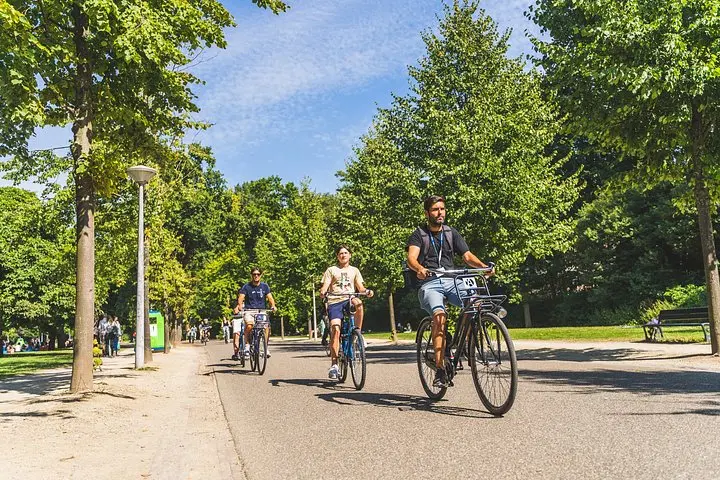
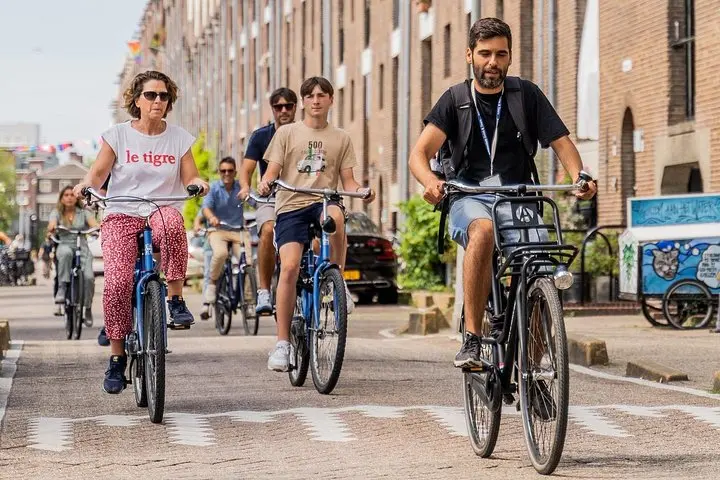
You push away from Amsterdam Central, the city’s hum receding as a ferry nudges the group across the IJ. Within minutes the skyline thins and the land opens: flat fields, narrow canals, and a windmill shaft turning against a low sky. The guide sets the pace; bicycles click into motion along segregated bike paths that stitch town to polder.
Verified experiences and guided adventures in the surrounding area.
Operated by Amsterdam Guías & Tours · Amsterdam, North Holland
You push away from Amsterdam Central, the city’s hum receding as a ferry nudges the group across the IJ. Within minutes the skyline thins and the land opens: flat fields, narrow canals, and a windmill shaft turning against a low sky. The guide sets the pace; bicycles click into motion along segregated bike paths that stitch town to polder.
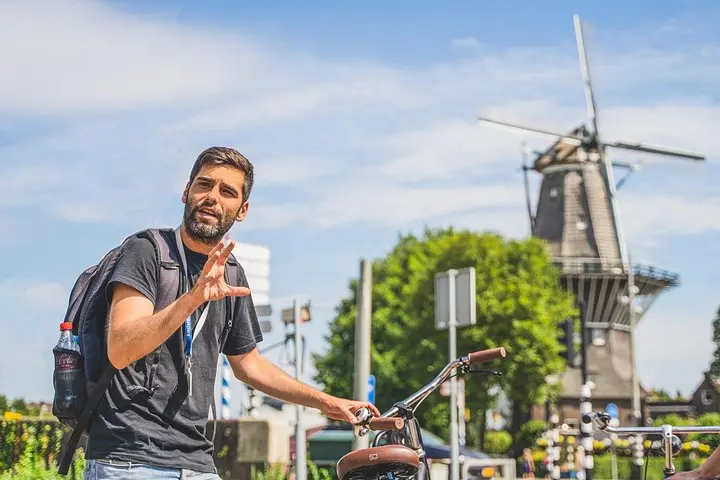
This ride threads through engineered landscapes where peat, clay and reclaimed sea bed meet human ingenuity. Centuries of poldering and dike-building shaped the routes you ride—channels that drain farmland, locks that control tides, and the brick windmills like d'Admiraal that once pumped water from soggy ground.
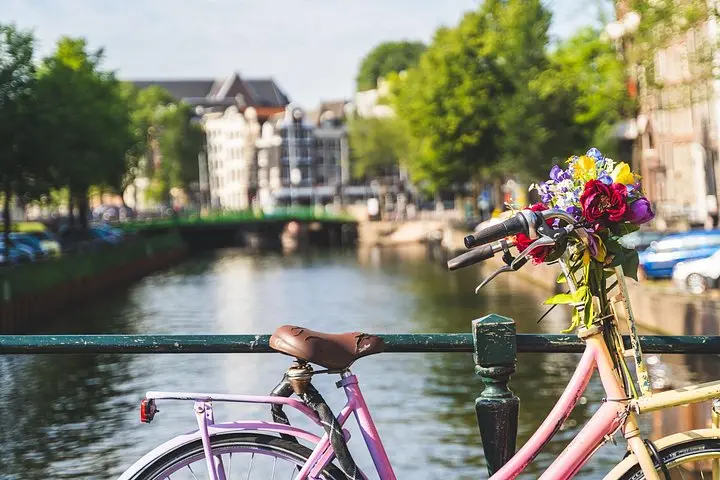
Culturally, the countryside is working land: dairy farms, small breweries, and villages with stoic houses and clipped hedgerows. You’ll hear how the Dutch turned scarcity of land into a productive lowland, and why water-management remains central to local identity.
Practical details are straightforward: expect 2–3 hours total, roughly 15–25 km on largely flat terrain with minimal elevation gain. Paths are paved or compacted; brief gravel sections are possible near canals. Ferries and locks punctuate the route—bring a light jacket for sudden winds along the North Sea Canal.
Timing matters: late spring and early autumn offer calm light and fewer crowds; mid-summer can be busy and breezy. Hydrate, use a reliable saddle, and follow local cycling etiquette—ring, keep right, and pass on the left. This is an accessible, scenic pedal through the engineered heart of the Netherlands, where water still shapes every horizon.
Bike rental is included but helmet policies vary—ask your operator; bringing your own ensures a reliable fit.
The tour runs about 2–3 hours and typically covers 15–25 km on flat terrain, making it easy for most riders.
Yes—short café stops and villages along the route provide toilets and snacks; bring small cash just in case.
Children can participate but must be accompanied by an adult; check age recommendations and child seating options with the operator.
Amsterdam Guías & Tours operates guided outdoor trips and adventures with an emphasis on safety, stewardship, and memorable experiences.
You push away from Amsterdam Central, the city’s hum receding as a ferry nudges the group across the IJ. Within minutes the skyline thins and the land opens: flat fields, narrow canals, and a windmill shaft turning against a low sky. The guide sets the pace; bicycles click into motion along segregated bike paths that stitch town to polder.
You push away from Amsterdam Central, the city’s hum receding as a ferry nudges the group across the IJ. Within minutes the skyline thins and the land opens: flat fields, narrow canals, and a windmill shaft turning against a low sky. The guide sets the pace; bicycles click into motion along segregated bike paths that stitch town to polder.
This ride threads through engineered landscapes where peat, clay and reclaimed sea bed meet human ingenuity. Centuries of poldering and dike-building shaped the routes you ride—channels that drain farmland, locks that control tides, and the brick windmills like d'Admiraal that once pumped water from soggy ground.
Culturally, the countryside is working land: dairy farms, small breweries, and villages with stoic houses and clipped hedgerows. You’ll hear how the Dutch turned scarcity of land into a productive lowland, and why water-management remains central to local identity.
Practical details are straightforward: expect 2–3 hours total, roughly 15–25 km on largely flat terrain with minimal elevation gain. Paths are paved or compacted; brief gravel sections are possible near canals. Ferries and locks punctuate the route—bring a light jacket for sudden winds along the North Sea Canal.
Timing matters: late spring and early autumn offer calm light and fewer crowds; mid-summer can be busy and breezy. Hydrate, use a reliable saddle, and follow local cycling etiquette—ring, keep right, and pass on the left. This is an accessible, scenic pedal through the engineered heart of the Netherlands, where water still shapes every horizon.