THE ADVENTURE COLLECTIVE® · Independent discovery and booking for outdoor travel

Leave the plazas of Guanajuato and follow mule tracks up into the hills on a 4½-hour guided horseback tour tracing colonial mining routes. Learn local mining history, ride varied terrain, and take in sweeping valley views with a knowledgeable local guide.
Leave the plazas of Guanajuato and follow mule tracks up into the hills on a 4½-hour guided horseback tour tracing colonial mining routes. Learn local mining history, ride varied terrain, and take in sweeping valley views with a knowledgeable local guide.
A low sun slants across white-washed façades as horses clip-clop out of Guanajuato’s narrow alleys, carrying riders from city streets into the higher mining roads. The first minutes are urban—alleys and plazas—then the cobblestones give way to packed dirt, scrub, and the scars of centuries of mining that scar the surrounding hills.
Verified experiences and guided adventures in the surrounding area.
Operated by Turismo Alternativo En Guanajuato · Guanajuato City, Guanajuato
A low sun slants across white-washed façades as horses clip-clop out of Guanajuato’s narrow alleys, carrying riders from city streets into the higher mining roads. The first minutes are urban—alleys and plazas—then the cobblestones give way to packed dirt, scrub, and the scars of centuries of mining that scar the surrounding hills.
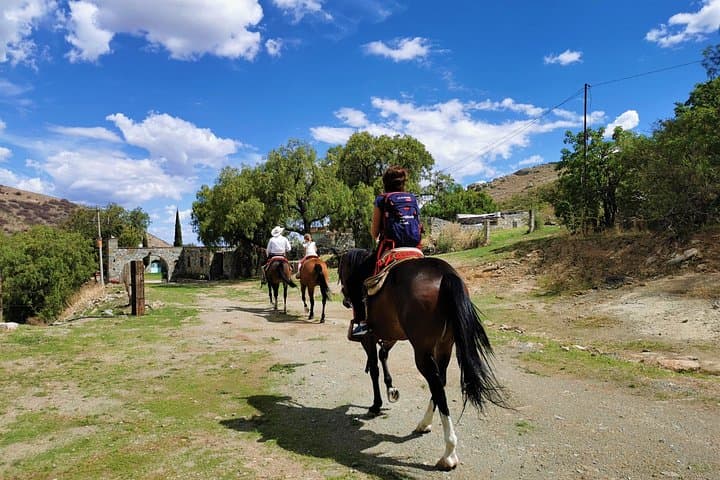
Guanajuato’s identity grew from silver; veins cut deep into volcanic rock and fed an empire of mines in the 18th century. The equestrian route follows those historic transport paths, crossing gullies and switchbacks used to move ore between small hamlets and larger works like La Valenciana. Geology is visible: reddened volcanic tuff, compacted ash, and the occasional outcrop of igneous rock that directed where miners dug.
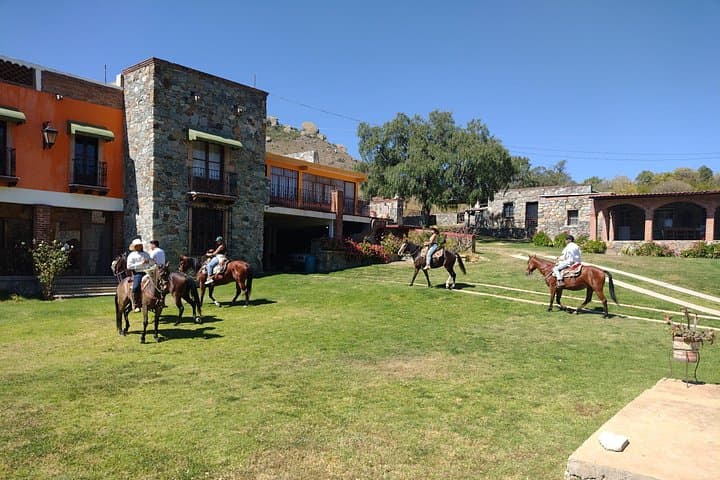
Culturally the ride connects you to local ranching and charro traditions—horses are not props but the working transport that shaped rural life here. Guides typically point out mining ruins, mule tracks, and hidden viewpoints back over the ribboned city.
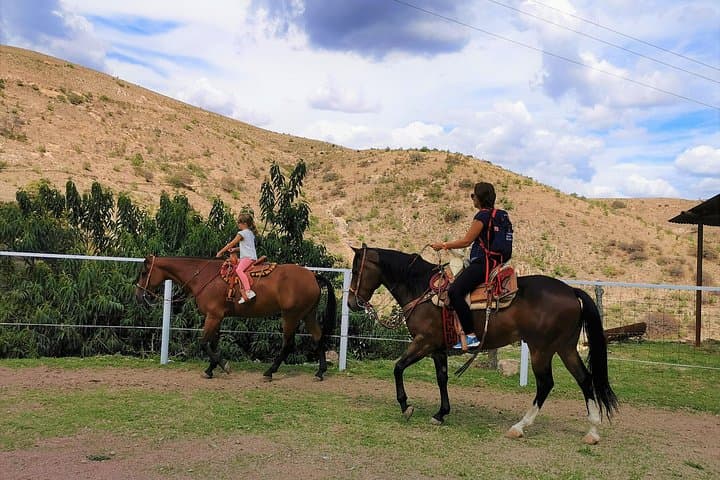
Practical guidance: expect a 4½-hour outing with moderate saddle time—bring long pants, closed-toe boots, sun protection, and a daypack with water and snacks. Balance and comfortable core strength make the ride easier; operators commonly provide basic instruction and pair riders to suitable mounts. Weather can shift quickly at elevation—layers matter. Confirm pickup point, any weight restrictions, and bring a camera with a secure strap; several short, steep sections demand attention but reward you with wide views of the valley below.
No—most tours accommodate beginners with trained mounts and basic instruction, though comfort in the saddle helps.
The outing lasts about 270 minutes (roughly 4½ hours), including transfers and short stops at viewpoints.
Operators ask for weight, height, and health information during booking; travelers with spinal or serious cardiovascular issues or pregnancy are typically advised not to ride.
Yes—private transportation to and from the meeting point is normally included in the tour package.
Turismo Alternativo En Guanajuato operates guided outdoor trips and adventures with an emphasis on safety, stewardship, and memorable experiences.
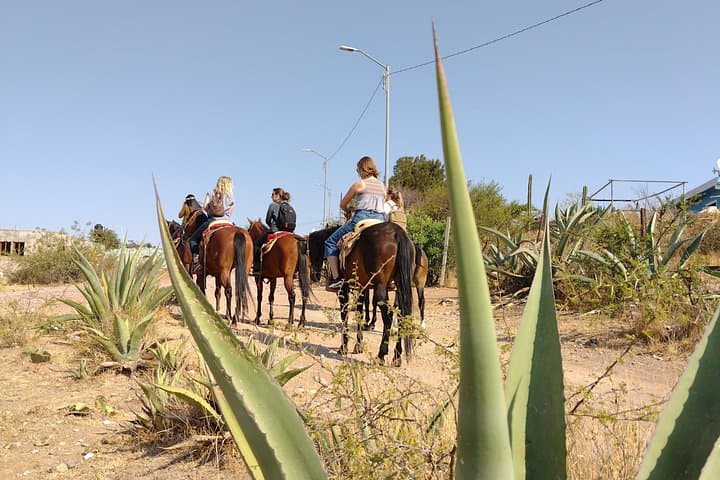
A low sun slants across white-washed façades as horses clip-clop out of Guanajuato’s narrow alleys, carrying riders from city streets into the higher mining roads. The first minutes are urban—alleys and plazas—then the cobblestones give way to packed dirt, scrub, and the scars of centuries of mining that scar the surrounding hills.
A low sun slants across white-washed façades as horses clip-clop out of Guanajuato’s narrow alleys, carrying riders from city streets into the higher mining roads. The first minutes are urban—alleys and plazas—then the cobblestones give way to packed dirt, scrub, and the scars of centuries of mining that scar the surrounding hills.
Guanajuato’s identity grew from silver; veins cut deep into volcanic rock and fed an empire of mines in the 18th century. The equestrian route follows those historic transport paths, crossing gullies and switchbacks used to move ore between small hamlets and larger works like La Valenciana. Geology is visible: reddened volcanic tuff, compacted ash, and the occasional outcrop of igneous rock that directed where miners dug.
Culturally the ride connects you to local ranching and charro traditions—horses are not props but the working transport that shaped rural life here. Guides typically point out mining ruins, mule tracks, and hidden viewpoints back over the ribboned city.
Practical guidance: expect a 4½-hour outing with moderate saddle time—bring long pants, closed-toe boots, sun protection, and a daypack with water and snacks. Balance and comfortable core strength make the ride easier; operators commonly provide basic instruction and pair riders to suitable mounts. Weather can shift quickly at elevation—layers matter. Confirm pickup point, any weight restrictions, and bring a camera with a secure strap; several short, steep sections demand attention but reward you with wide views of the valley below.