THE ADVENTURE COLLECTIVE® · Independent discovery and booking for outdoor travel

Cycle a former narrow‑gauge railway from Koper along the Adriatic to Izola and Strunjan, passing vineyards, salt pans and two preserved tunnels. This guided 5‑hour ride blends easy climbing with coastal views and a traditional food and wine tasting finish.
Cycle a former narrow‑gauge railway from Koper along the Adriatic to Izola and Strunjan, passing vineyards, salt pans and two preserved tunnels. This guided 5‑hour ride blends easy climbing with coastal views and a traditional food and wine tasting finish.
A morning wind off the Adriatic pushes salt and citrus through Koper’s harbor as you clip into the pedals and follow a ribbon of former railway bed toward Izola.
Verified experiences and guided adventures in the surrounding area.
Operated by KoperTrips.com · Koper, Slovenia
A morning wind off the Adriatic pushes salt and citrus through Koper’s harbor as you clip into the pedals and follow a ribbon of former railway bed toward Izola.
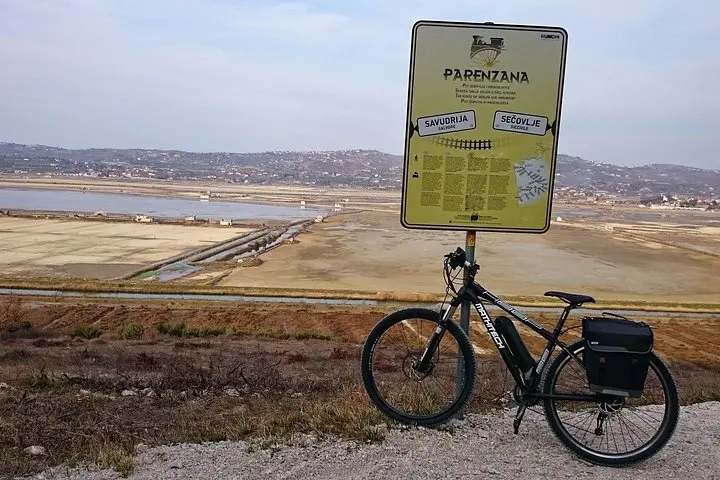
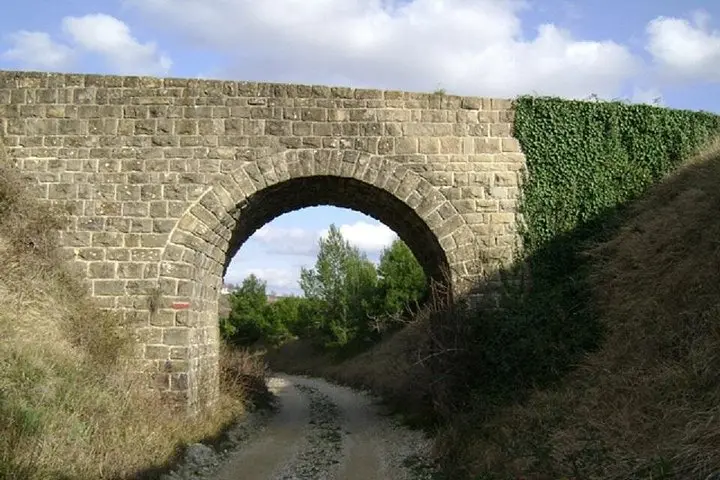
The Parenzana was once a narrow‑gauge line linking Trieste to Poreč; today its converted corridor threads vineyards, olive groves, and tidal salt pans, carrying riders through two preserved tunnels and small fishing towns where stone streets still remember the train that stitched regional communities together.
Geology here is coastal limestone and terraced loam—rocky headlands fall abruptly to the sea while low, marshy flats near Strunjan nurture salt evaporation ponds and rich birdlife. Culture in Slovene Istria reads like a layered itinerary: fishing harbors, family-run konobas, and vineyards producing crisp Malvasia and Refošk.
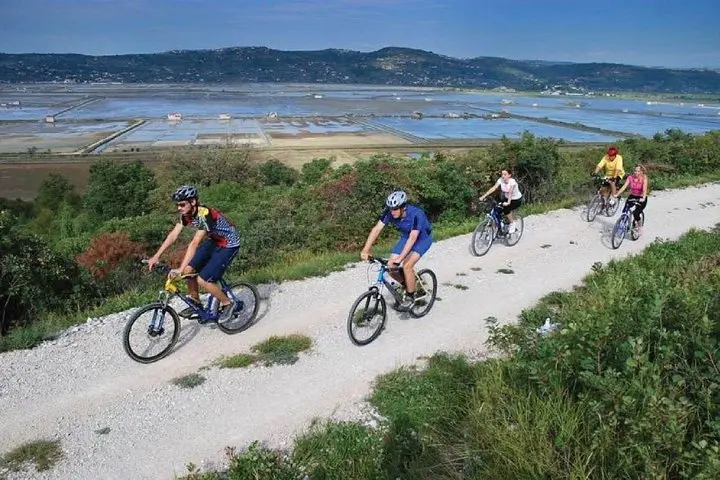
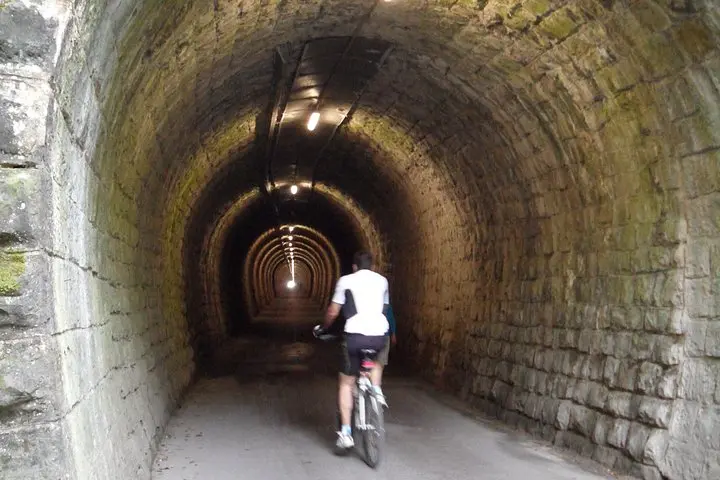
The ride itself is practical and pleasurable: expect roughly 20–30 km of mixed paved road and crushed‑stone trail with modest rolling grades (roughly 150–300 m cumulative gain depending on route), two short dark tunnels, and several panoramic seaside stretches. A guide provides local context and ends the day with regional food and wine tasting—an ideal close to a moderate day on the bike.
Practical tips: time your ride for morning or late afternoon to avoid heat, carry water and a light windproof layer for tunnel chills, and wear puncture‑resistant tires for gravel sections. Respect protected salt‑marsh habitats by staying on the trail, and plan transfers if you’re joining from a cruise or hotel—pickups are commonly arranged.
Yes—this tour includes the use of a bicycle and helmet; confirm your preferred bike size when booking.
Tunnels are short and unlit; a small light or reflective gear is helpful, and guides accompany the group through them.
Yes—cruise passengers are welcome but should provide ship name and arrival/departure times when booking for pickup coordination.
Yes—the itinerary includes a regional food and wine tasting at the ride’s end; dietary needs should be noted in advance.
KoperTrips.com operates guided outdoor trips and adventures with an emphasis on safety, stewardship, and memorable experiences.
A morning wind off the Adriatic pushes salt and citrus through Koper’s harbor as you clip into the pedals and follow a ribbon of former railway bed toward Izola.
A morning wind off the Adriatic pushes salt and citrus through Koper’s harbor as you clip into the pedals and follow a ribbon of former railway bed toward Izola.
The Parenzana was once a narrow‑gauge line linking Trieste to Poreč; today its converted corridor threads vineyards, olive groves, and tidal salt pans, carrying riders through two preserved tunnels and small fishing towns where stone streets still remember the train that stitched regional communities together.
Geology here is coastal limestone and terraced loam—rocky headlands fall abruptly to the sea while low, marshy flats near Strunjan nurture salt evaporation ponds and rich birdlife. Culture in Slovene Istria reads like a layered itinerary: fishing harbors, family-run konobas, and vineyards producing crisp Malvasia and Refošk.
The ride itself is practical and pleasurable: expect roughly 20–30 km of mixed paved road and crushed‑stone trail with modest rolling grades (roughly 150–300 m cumulative gain depending on route), two short dark tunnels, and several panoramic seaside stretches. A guide provides local context and ends the day with regional food and wine tasting—an ideal close to a moderate day on the bike.
Practical tips: time your ride for morning or late afternoon to avoid heat, carry water and a light windproof layer for tunnel chills, and wear puncture‑resistant tires for gravel sections. Respect protected salt‑marsh habitats by staying on the trail, and plan transfers if you’re joining from a cruise or hotel—pickups are commonly arranged.