THE ADVENTURE COLLECTIVE® · Independent discovery and booking for outdoor travel

Saddle up for a two-day pony trek over Sani Pass into remote Lesotho villages. Ride traditional routes, stay in rondavels, and experience community-led tourism amid soaring highland scenery.
Saddle up for a two-day pony trek over Sani Pass into remote Lesotho villages. Ride traditional routes, stay in rondavels, and experience community-led tourism amid soaring highland scenery.
A cold wind pushes across the pass as you crest the rutted 4x4 track and dismount to meet a string of Basotho ponies waiting beneath stone huts. The mountain air here carries grit and the plain, and the ponies stand patient—an invitation to move slowly through a landscape that changes with every switchback.
Verified experiences and guided adventures in the surrounding area.
Operated by Drakensberg Adventures · Underberg, KwaZulu-Natal
A cold wind pushes across the pass as you crest the rutted 4x4 track and dismount to meet a string of Basotho ponies waiting beneath stone huts. The mountain air here carries grit and the plain, and the ponies stand patient—an invitation to move slowly through a landscape that changes with every switchback.
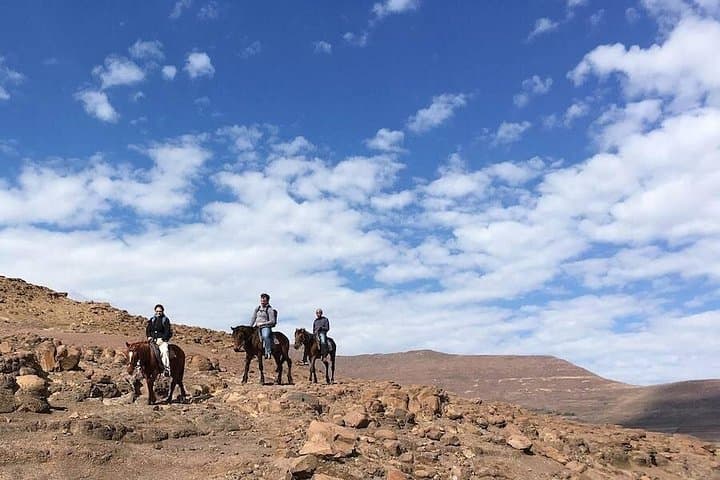
This two-day pony trek follows routes used for generations by Basotho riders, climbing from KwaZulu-Natal into high Lesotho pastures. The geology is rugged: shale and quartzite slopes rise into rounded summits carved by glacial and river action, the kind of terrain that makes every saddle step count. Culture is immediate—overnights are in traditional rondavels where meals, stories and hospitality come from local homesteads supported directly by the tour. Guides are Basotho-trained and experienced with both ponies and village navigation.
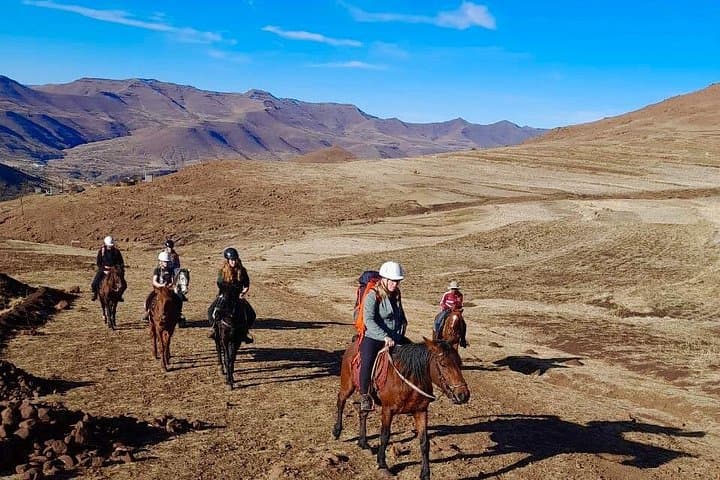
Expect saddle time of roughly three hours the first afternoon and a longer morning ride back the second day, on uneven mountain tracks at elevations that can reach around 2,800–3,000 m. Terrain ranges from steep grassy inclines to rocky ridgetops; weather turns quickly so layers are essential. Pack for warmth, waterproofs and sturdy riding boots, and be ready to carry a small daypack.
Practical note: novices are welcome but should disclose riding experience; the tour favors moderate fitness and non-problematic spines. Travel responsibly—this is community tourism delivering direct income to remote families, so leave no trace and follow guide instructions when visiting homesteads and communal grazing areas.
No — guides introduce novices gradually, though you should be comfortable mounting, dismounting and following basic instructions.
Overnight stays are in traditional rondavels in village homesteads with warm bedding and simple facilities; expect basic comfort and local hospitality.
Children may join if they are experienced riders and meet the operator’s age, height and weight requirements—check when booking.
Nights at high elevation can drop below freezing, especially in winter; bring an insulated sleeping layer and warm clothing.
Drakensberg Adventures operates guided outdoor trips and adventures with an emphasis on safety, stewardship, and memorable experiences.
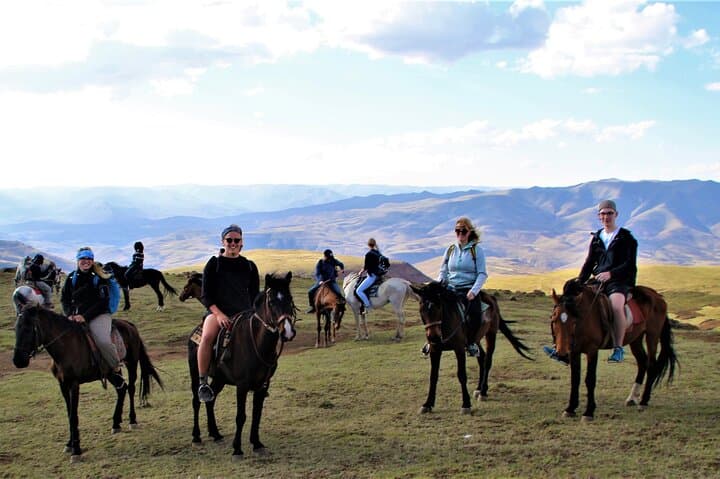
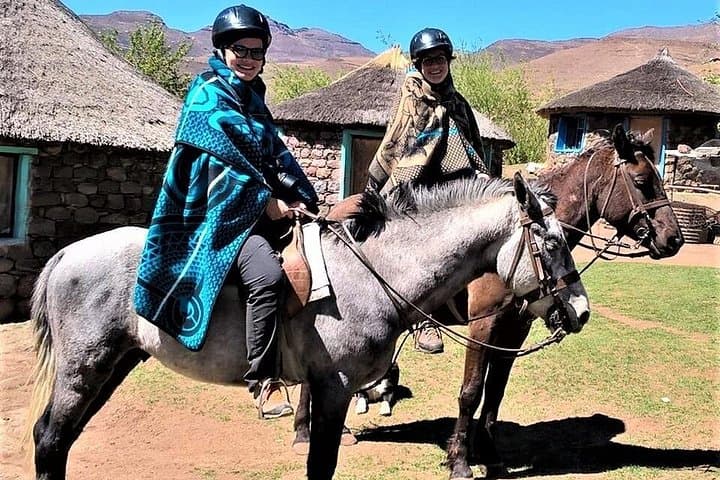
A cold wind pushes across the pass as you crest the rutted 4x4 track and dismount to meet a string of Basotho ponies waiting beneath stone huts. The mountain air here carries grit and the plain, and the ponies stand patient—an invitation to move slowly through a landscape that changes with every switchback.
A cold wind pushes across the pass as you crest the rutted 4x4 track and dismount to meet a string of Basotho ponies waiting beneath stone huts. The mountain air here carries grit and the plain, and the ponies stand patient—an invitation to move slowly through a landscape that changes with every switchback.
This two-day pony trek follows routes used for generations by Basotho riders, climbing from KwaZulu-Natal into high Lesotho pastures. The geology is rugged: shale and quartzite slopes rise into rounded summits carved by glacial and river action, the kind of terrain that makes every saddle step count. Culture is immediate—overnights are in traditional rondavels where meals, stories and hospitality come from local homesteads supported directly by the tour. Guides are Basotho-trained and experienced with both ponies and village navigation.
Expect saddle time of roughly three hours the first afternoon and a longer morning ride back the second day, on uneven mountain tracks at elevations that can reach around 2,800–3,000 m. Terrain ranges from steep grassy inclines to rocky ridgetops; weather turns quickly so layers are essential. Pack for warmth, waterproofs and sturdy riding boots, and be ready to carry a small daypack.
Practical note: novices are welcome but should disclose riding experience; the tour favors moderate fitness and non-problematic spines. Travel responsibly—this is community tourism delivering direct income to remote families, so leave no trace and follow guide instructions when visiting homesteads and communal grazing areas.