THE ADVENTURE COLLECTIVE® · Independent discovery and booking for outdoor travel

Board a historic steam locomotive and follow the narrow-gauge through Carpathian valleys, fortified churches, and working forests. This multi-day route mixes slow-rolling rail romance with cultural stops and easy walks—perfect for travelers who prefer scenic pace over speed.
Board a historic steam locomotive and follow the narrow-gauge through Carpathian valleys, fortified churches, and working forests. This multi-day route mixes slow-rolling rail romance with cultural stops and easy walks—perfect for travelers who prefer scenic pace over speed.
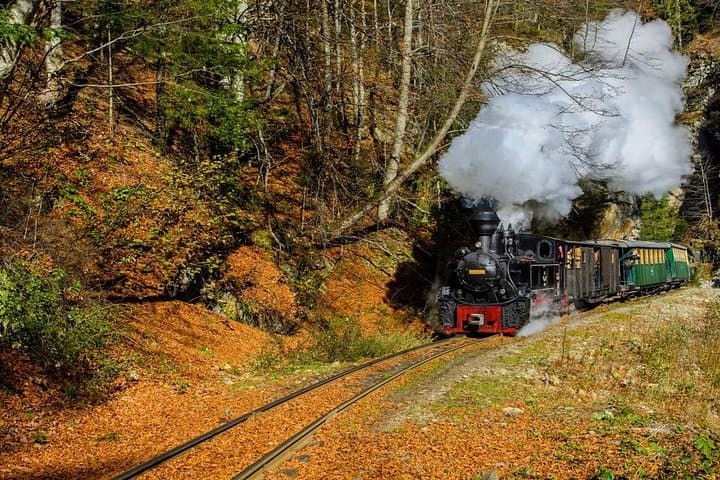
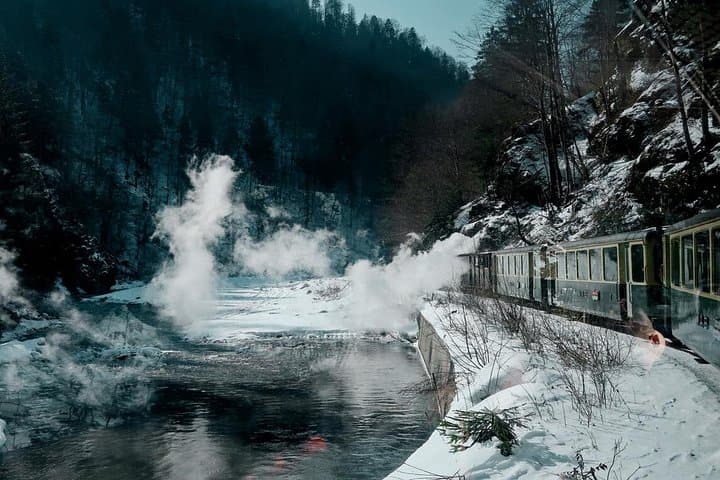
The whistle cuts through cold mountain air as the black boiler exhales and the locomotive begins to pull; wooden carriages sway, and the Vaser River seems to dare you to keep looking. You move slowly through a pocket of the Eastern Carpathians where spruce and beech press close to the tracks and old bridges stitch the valley together.
Verified experiences and guided adventures in the surrounding area.
The whistle cuts through cold mountain air as the black boiler exhales and the locomotive begins to pull; wooden carriages sway, and the Vaser River seems to dare you to keep looking. You move slowly through a pocket of the Eastern Carpathians where spruce and beech press close to the tracks and old bridges stitch the valley together.
This journey threads together Saxon villages, fortified churches and the legacy of Austro-Hungarian forestry railways built in the 19th century to harvest timber. Geologically, the route follows narrow river-cut valleys carved into flysch and sandstone, with steep colluvial slopes that give way to meadow clearings and traditional wooden houses. Local culture is visible in carved gates, painted cemetery crosses in Sapânța and the small workshops where artisans ply woodworking and textile crafts.
Practical notes: expect long travel days with two dedicated steam-rail segments around Vișeu de Sus and Sovata, picnic stops in the mountains, and mostly easy walking at historic sites. The train’s narrow-gauge pace is deliberate—bring layers for smoky, damp mornings and a small daypack for cameras, water and snacks.
Timing matters: travel early in the season for fresh green growth, or choose autumn for clear air and color. Respect the landscape—these forest railways run through ecologically sensitive terrain; stay on paths, avoid feeding wildlife, and support local guides and artisans when you stop. The trip is low-impact physically but rich in cultural and natural texture, ideal for travelers who want a slow, scenic way to experience Transylvania’s backcountry and heritage.
The tour involves bus transfers and short, uneven walks at historic sites; people with limited mobility should contact the operator in advance to discuss specific needs.
Guides are provided in the language requested only if at least four speakers are booked; otherwise the guide will speak English.
The itinerary lists half board with breakfast and dinner included most days, plus a picnic during the steam-rail mountain segment.
Space on narrow-gauge carriages is limited—store large bags on the bus transport and travel light for the rail segments.
The whistle cuts through cold mountain air as the black boiler exhales and the locomotive begins to pull; wooden carriages sway, and the Vaser River seems to dare you to keep looking. You move slowly through a pocket of the Eastern Carpathians where spruce and beech press close to the tracks and old bridges stitch the valley together.
The whistle cuts through cold mountain air as the black boiler exhales and the locomotive begins to pull; wooden carriages sway, and the Vaser River seems to dare you to keep looking. You move slowly through a pocket of the Eastern Carpathians where spruce and beech press close to the tracks and old bridges stitch the valley together.
This journey threads together Saxon villages, fortified churches and the legacy of Austro-Hungarian forestry railways built in the 19th century to harvest timber. Geologically, the route follows narrow river-cut valleys carved into flysch and sandstone, with steep colluvial slopes that give way to meadow clearings and traditional wooden houses. Local culture is visible in carved gates, painted cemetery crosses in Sapânța and the small workshops where artisans ply woodworking and textile crafts.
Practical notes: expect long travel days with two dedicated steam-rail segments around Vișeu de Sus and Sovata, picnic stops in the mountains, and mostly easy walking at historic sites. The train’s narrow-gauge pace is deliberate—bring layers for smoky, damp mornings and a small daypack for cameras, water and snacks.
Timing matters: travel early in the season for fresh green growth, or choose autumn for clear air and color. Respect the landscape—these forest railways run through ecologically sensitive terrain; stay on paths, avoid feeding wildlife, and support local guides and artisans when you stop. The trip is low-impact physically but rich in cultural and natural texture, ideal for travelers who want a slow, scenic way to experience Transylvania’s backcountry and heritage.