THE ADVENTURE COLLECTIVE® · Independent discovery and booking for outdoor travel

Telaga Waja’s 16 km whitewater run combines long flowing sections with punchy class III–IV rapids, framed by rice fields and waterfalls on Bali’s eastern slopes. Expect 2–3 hours of guided rafting, safety gear, and a post-run buffet.
Telaga Waja’s 16 km whitewater run combines long flowing sections with punchy class III–IV rapids, framed by rice fields and waterfalls on Bali’s eastern slopes. Expect 2–3 hours of guided rafting, safety gear, and a post-run buffet.
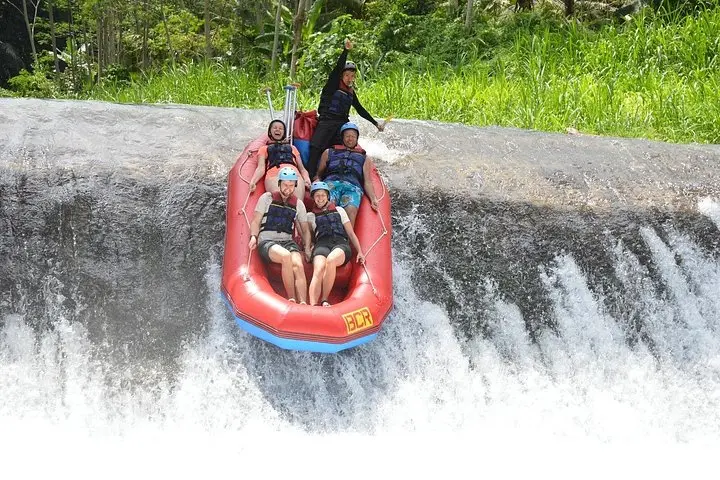
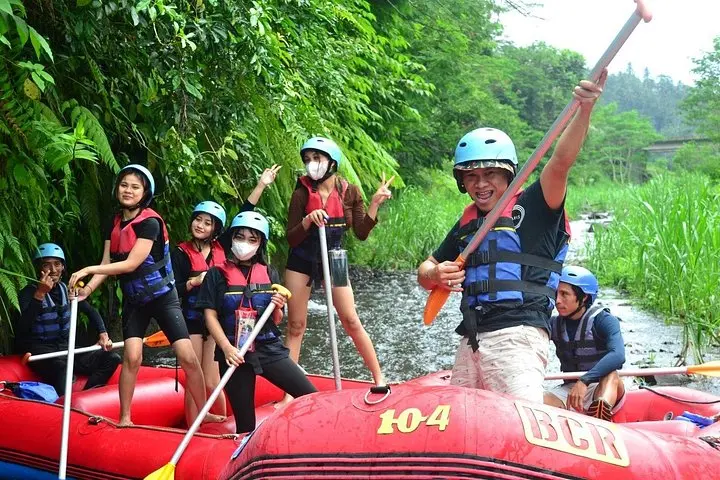
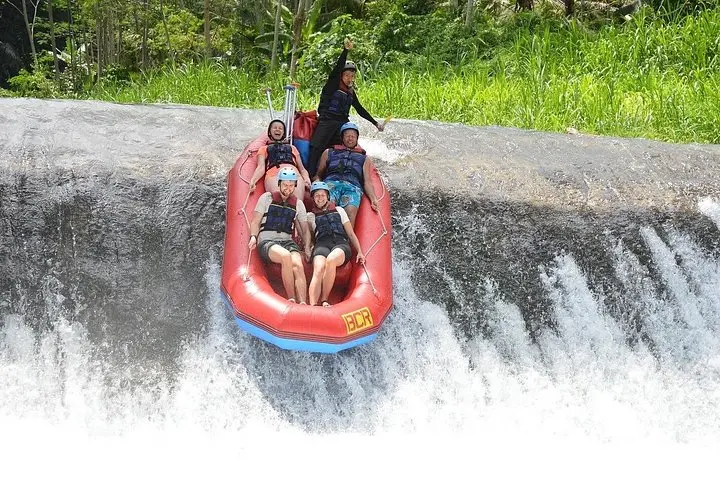
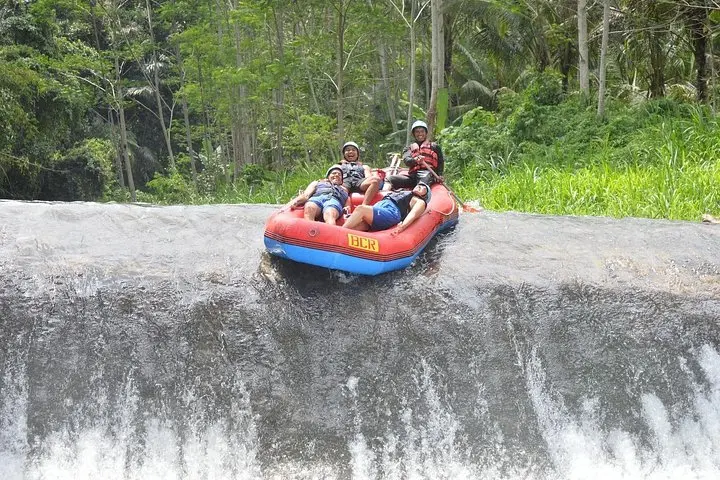
The first paddle stroke breaks the jungle hush — water chiseling around the bow, the river daring you forward. Telaga Waja cuts south from the slopes of Mount Abang, a fast ribbon of clear, cool current framed by rice terraces, pockets of tropical forest and sudden waterfalls that spill into the channel. Over 16 km and roughly 2–2.5 hours on the water, the run alternates calm flows that let you breathe and tight sections where class III–IV rapids jolt the raft and demand focused teamwork.
Verified experiences and guided adventures in the surrounding area.
Operated by Bali Golden Tour · Amlapura, Bali
The first paddle stroke breaks the jungle hush — water chiseling around the bow, the river daring you forward. Telaga Waja cuts south from the slopes of Mount Abang, a fast ribbon of clear, cool current framed by rice terraces, pockets of tropical forest and sudden waterfalls that spill into the channel. Over 16 km and roughly 2–2.5 hours on the water, the run alternates calm flows that let you breathe and tight sections where class III–IV rapids jolt the raft and demand focused teamwork.
Geology and history are visible in the banks: volcanic ridges scoured by seasonal flows and alluvial benches that local farmers still irrigate downstream. The area sits in Karangasem regency, an eastern Bali zone with strong temple traditions and water-court sites like Tirta Gangga nearby — a reminder of how central irrigation and rivers are to local culture.
Expect varied scenery rather than continuous jungle: rice fields give way to steeper canyon cuts, and small waterfalls feed the channel. Guides from established operators provide safety gear, instruction, and a buffet lunch after the run; transfers from Ubud or the south are commonly included.
Practical guidance: arrive hydrated and with light, secure clothing; footwear with good grip is critical. If you have spine, heart, or pregnancy concerns, skip the trip. Morning departures are cooler and offer clearer water; afternoons can be busier and warmer. Respect guides’ instructions on rapids, keep phones sealed or ashore, and consider a dry bag for essential items. This is a challenging, high-adrenaline way to read Bali’s eastern landscape up close and fast.
The commercial rafting section covers about 16 km and typically takes 2–2.5 hours on the water, with total tour time longer when transfers and lunch are included.
Rapids range from class III to occasional class IV; steady guidance and teamwork make the run accessible to experienced beginners and fit intermediates.
Most operators include round-trip transfers from major Bali hubs (Ubud, Sanur) and a buffet lunch; check your booking confirmation for specifics.
Pregnant travelers and those with serious heart or spinal conditions should not participate due to strong currents and the physical nature of the trip.
Bali Golden Tour operates guided outdoor trips and adventures with an emphasis on safety, stewardship, and memorable experiences.
The first paddle stroke breaks the jungle hush — water chiseling around the bow, the river daring you forward. Telaga Waja cuts south from the slopes of Mount Abang, a fast ribbon of clear, cool current framed by rice terraces, pockets of tropical forest and sudden waterfalls that spill into the channel. Over 16 km and roughly 2–2.5 hours on the water, the run alternates calm flows that let you breathe and tight sections where class III–IV rapids jolt the raft and demand focused teamwork.
The first paddle stroke breaks the jungle hush — water chiseling around the bow, the river daring you forward. Telaga Waja cuts south from the slopes of Mount Abang, a fast ribbon of clear, cool current framed by rice terraces, pockets of tropical forest and sudden waterfalls that spill into the channel. Over 16 km and roughly 2–2.5 hours on the water, the run alternates calm flows that let you breathe and tight sections where class III–IV rapids jolt the raft and demand focused teamwork.
Geology and history are visible in the banks: volcanic ridges scoured by seasonal flows and alluvial benches that local farmers still irrigate downstream. The area sits in Karangasem regency, an eastern Bali zone with strong temple traditions and water-court sites like Tirta Gangga nearby — a reminder of how central irrigation and rivers are to local culture.
Expect varied scenery rather than continuous jungle: rice fields give way to steeper canyon cuts, and small waterfalls feed the channel. Guides from established operators provide safety gear, instruction, and a buffet lunch after the run; transfers from Ubud or the south are commonly included.
Practical guidance: arrive hydrated and with light, secure clothing; footwear with good grip is critical. If you have spine, heart, or pregnancy concerns, skip the trip. Morning departures are cooler and offer clearer water; afternoons can be busier and warmer. Respect guides’ instructions on rapids, keep phones sealed or ashore, and consider a dry bag for essential items. This is a challenging, high-adrenaline way to read Bali’s eastern landscape up close and fast.