THE ADVENTURE COLLECTIVE® · Independent discovery and booking for outdoor travel

Ride from the Siq to Mount Haroun on a private horseback tour that covers Petra’s main sights with less walking. Expect carved tombs, narrow canyons and steep sections where you may dismount—ideal for travelers who want a full-day Petra experience with local handlers.
Ride from the Siq to Mount Haroun on a private horseback tour that covers Petra’s main sights with less walking. Expect carved tombs, narrow canyons and steep sections where you may dismount—ideal for travelers who want a full-day Petra experience with local handlers.
You emerge from the cool slit of Al Siq on horseback—rock walls closing in, the horse’s hooves echoing on packed sand—then the Treasury breaks open ahead, sun hitting its carved façade.
Verified experiences and guided adventures in the surrounding area.
Operated by Desert Wolf Horse Riding · Wadi Musa, Ma'an
You emerge from the cool slit of Al Siq on horseback—rock walls closing in, the horse’s hooves echoing on packed sand—then the Treasury breaks open ahead, sun hitting its carved façade.
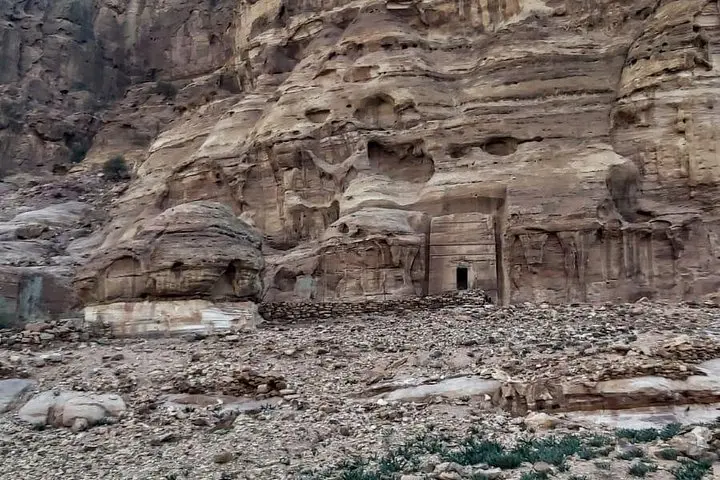
This private horse riding tour lets you cover Petra’s major ruins without the long, continuous walking that the site otherwise demands. Petra, carved from rose-red sandstone by the Nabataeans from the 1st century BCE, is both archaeological site and mountain city: tomb façades, colonnaded streets and Byzantine churches that speak to shifting trade routes and empires.
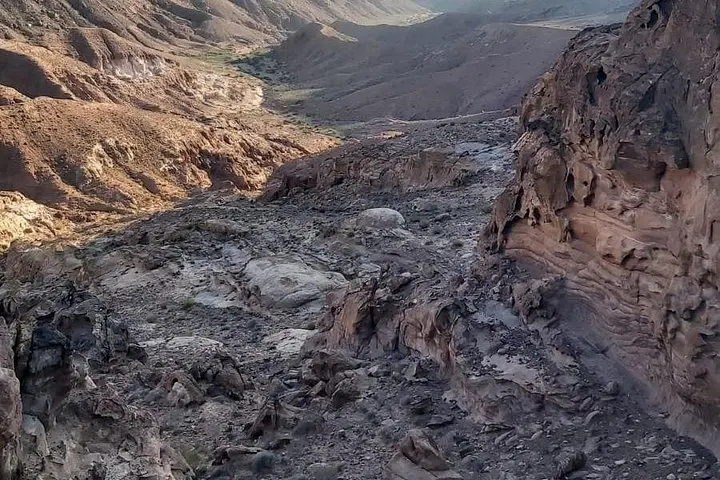
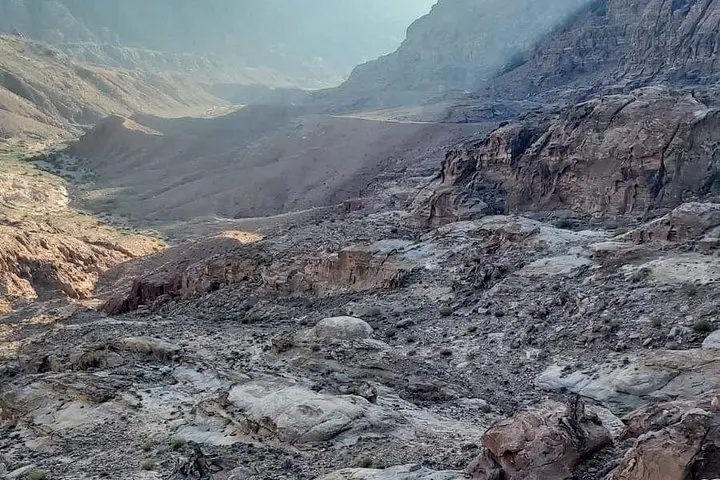
Geology here is obvious; the sandstone layers erode into cliffs, narrow canyons and sheer viewpoints. Culture and local life center on Wadi Musa village, where Bedouin-guided traditions meet modern tourism. The Mount Haroun (Prophet Aaron) tomb sits above Petra on Jebel Haroun—a strenuous climb on foot but approachable as a tour endpoint when paced from below.
Expect a mix of canyon riding along the Siq, slow parades past the Treasury, and longer stretches across uneven paths to royal tombs, the theatre, and the colonnaded street. Horses are typically certified and led by local handlers; however, some sections become steep and riders may dismount.
Practical guidance: wear sturdy, closed-toe shoes, sun protection, and carry water. Plan for roughly nine hours including transfers, with guided stops for photos and lunch. Tell your operator about any back issues or pregnancy—terrain and mounts make this unsuitable for everyone. Time your visit for morning or late afternoon light to avoid crowds and heat and to see sandstone colors shift as the sun moves.
No; most private horse tours do not include the Petra site entrance fee—buy tickets at Petra Visitor Center or arrange in advance.
Yes, many horses are handled by guides and are used to tourists, but riders should be comfortable on a horse and follow guide instructions.
This tour is not recommended for people with spinal injuries, serious heart conditions, or pregnant travelers due to mounting, riding and uneven terrain.
Riding covers most of the route through the Siq and between major sites, but expect periods of dismounting, short walks and steeper segments near viewpoints such as the High Place of Sacrifice and Mount Haroun approaches.
Desert Wolf Horse Riding operates guided outdoor trips and adventures with an emphasis on safety, stewardship, and memorable experiences.
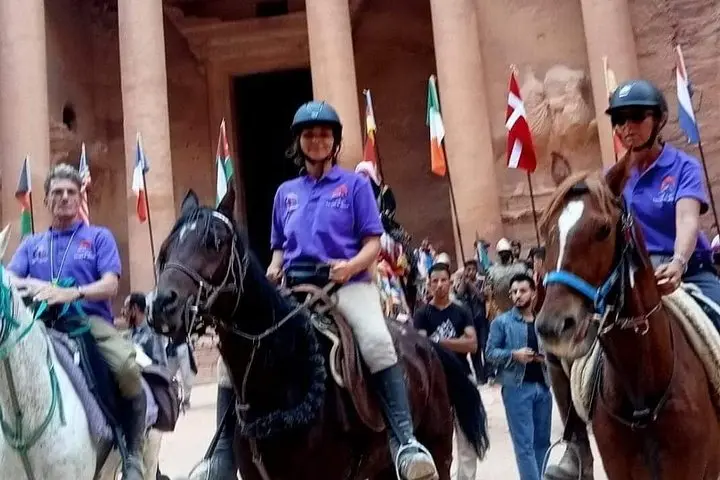
You emerge from the cool slit of Al Siq on horseback—rock walls closing in, the horse’s hooves echoing on packed sand—then the Treasury breaks open ahead, sun hitting its carved façade.
You emerge from the cool slit of Al Siq on horseback—rock walls closing in, the horse’s hooves echoing on packed sand—then the Treasury breaks open ahead, sun hitting its carved façade.
This private horse riding tour lets you cover Petra’s major ruins without the long, continuous walking that the site otherwise demands. Petra, carved from rose-red sandstone by the Nabataeans from the 1st century BCE, is both archaeological site and mountain city: tomb façades, colonnaded streets and Byzantine churches that speak to shifting trade routes and empires.
Geology here is obvious; the sandstone layers erode into cliffs, narrow canyons and sheer viewpoints. Culture and local life center on Wadi Musa village, where Bedouin-guided traditions meet modern tourism. The Mount Haroun (Prophet Aaron) tomb sits above Petra on Jebel Haroun—a strenuous climb on foot but approachable as a tour endpoint when paced from below.
Expect a mix of canyon riding along the Siq, slow parades past the Treasury, and longer stretches across uneven paths to royal tombs, the theatre, and the colonnaded street. Horses are typically certified and led by local handlers; however, some sections become steep and riders may dismount.
Practical guidance: wear sturdy, closed-toe shoes, sun protection, and carry water. Plan for roughly nine hours including transfers, with guided stops for photos and lunch. Tell your operator about any back issues or pregnancy—terrain and mounts make this unsuitable for everyone. Time your visit for morning or late afternoon light to avoid crowds and heat and to see sandstone colors shift as the sun moves.