THE ADVENTURE COLLECTIVE® · Independent discovery and booking for outdoor travel

Saddle up for a week on Kazakhstan’s steppe—daily horsemanship, yurt nights, and rides along the Nura and Ishim rivers that pair hands-on ranch life with visits to Astana’s cultural highlights. Practical training and private lodging make this an accessible multi-day riding escape.
Saddle up for a week on Kazakhstan’s steppe—daily horsemanship, yurt nights, and rides along the Nura and Ishim rivers that pair hands-on ranch life with visits to Astana’s cultural highlights. Practical training and private lodging make this an accessible multi-day riding escape.
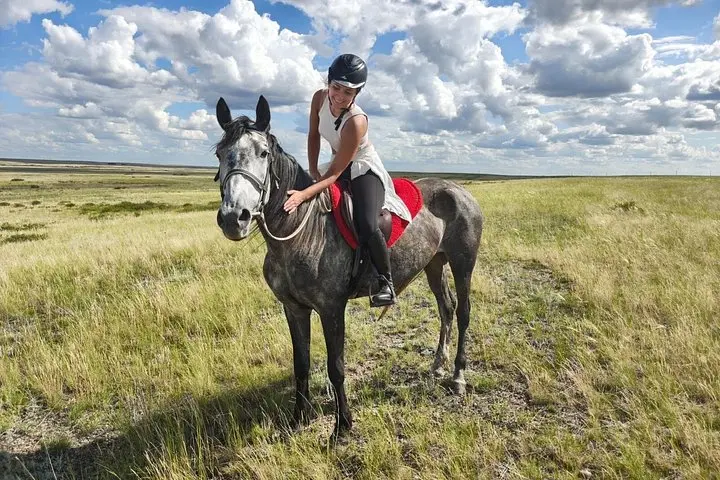
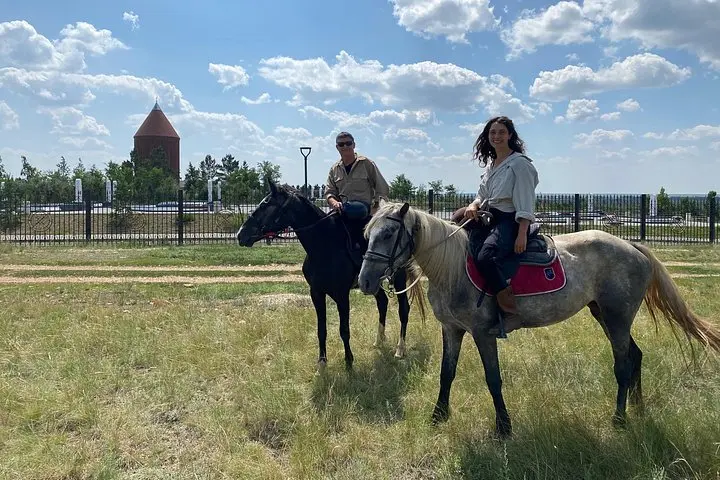
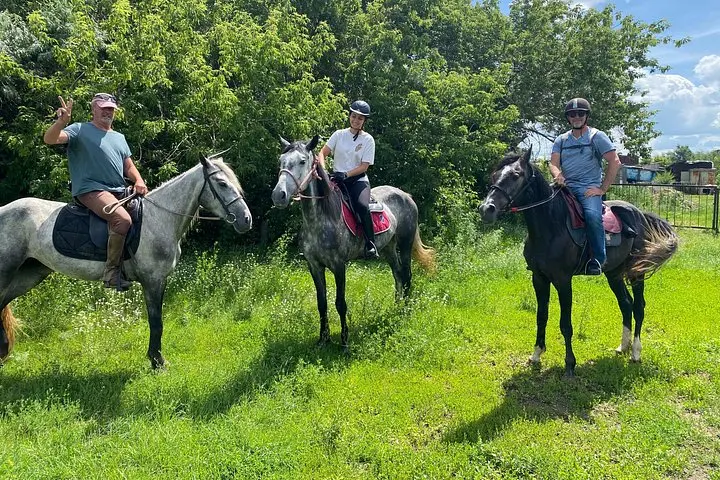
The first morning on the Taiburyldyn Shabysy Ranch opens with a cold cup of tea and the steady scent of hay; low clouds lift from the Nura River and the steppe stretches in long green waves toward the horizon. Riders mount well-trained Orlov trotters and Kazakh breeds, and the herd moves as if the grass itself is urging them forward.
Verified experiences and guided adventures in the surrounding area.
Operated by Taiburyldyn Shabysy: Horse Tours and Adventures · Astana, Akmola Region
The first morning on the Taiburyldyn Shabysy Ranch opens with a cold cup of tea and the steady scent of hay; low clouds lift from the Nura River and the steppe stretches in long green waves toward the horizon. Riders mount well-trained Orlov trotters and Kazakh breeds, and the herd moves as if the grass itself is urging them forward.
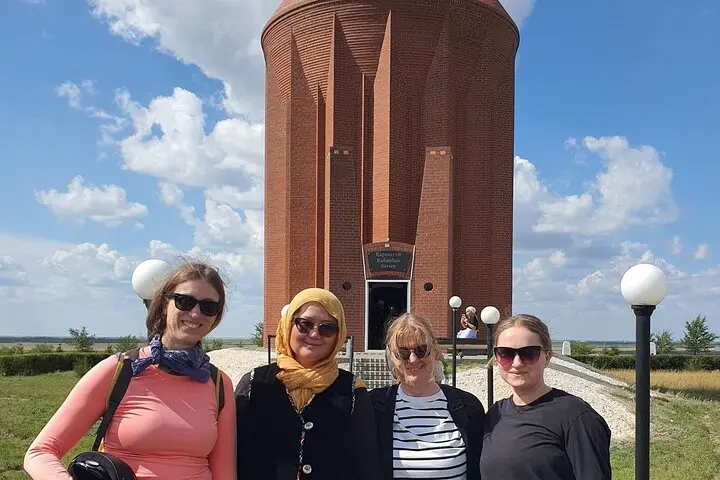
This route threads modern Astana’s Soviet and post-Soviet architecture with older nomadic traditions: days alternate between guided rides across open plains, visits to Kabanbai Batyr’s mausoleum, and time in the capital’s National Museum where horseback culture and Soviet-era development intersect. Geologically, the flat, mineral-rich steppe is loess and river alluvium—easy underfoot but exposed to wind; the Nura and Ishim rivers carve low riparian corridors that concentrate birds and wildlife.
Culturally, expect hands-on horsemanship, yurt stays, and dairy traditions—milk, kumis, tandyr bread—framed by stories from local herders. The program balances instruction (daily feeding, grooming, riding lessons) with immersive rides that can include shepherding or watching kokpar matches.
Practical guidance: pack layered clothing for wide temperature swings, sunscreen and a brimmed hat for open-plain sun, and sturdy riding or hiking boots with a slim sole. Most riding skill is taught on-site, but riders should be comfortable mounting, sitting at a walk and trot, and following group cues. Plan for limited cell service outside Astana and bring any needed medications; the ranch provides private transport, lodging in guesthouses or yurts, and simple saunas for recovery.
This trip suits travelers who want active cultural immersion and multi-day riding across accessible steppe terrain.
No—basic riding instruction and horse handling are provided, though comfort in the saddle and ability to follow guide cues improves the experience.
Guests stay in the ranch guesthouse with private bathrooms and sauna or in traditional yurts on select nights, depending on itinerary and season.
The program is generally suitable for a wide range of ages, but not recommended for those with serious back, heart, or pregnancy-related restrictions; check specific age limits with the operator.
Private transfers from Astana to the ranch are included; pickup point and timing are confirmed at booking.
Taiburyldyn Shabysy: Horse Tours and Adventures operates guided outdoor trips and adventures with an emphasis on safety, stewardship, and memorable experiences.
The first morning on the Taiburyldyn Shabysy Ranch opens with a cold cup of tea and the steady scent of hay; low clouds lift from the Nura River and the steppe stretches in long green waves toward the horizon. Riders mount well-trained Orlov trotters and Kazakh breeds, and the herd moves as if the grass itself is urging them forward.
The first morning on the Taiburyldyn Shabysy Ranch opens with a cold cup of tea and the steady scent of hay; low clouds lift from the Nura River and the steppe stretches in long green waves toward the horizon. Riders mount well-trained Orlov trotters and Kazakh breeds, and the herd moves as if the grass itself is urging them forward.
This route threads modern Astana’s Soviet and post-Soviet architecture with older nomadic traditions: days alternate between guided rides across open plains, visits to Kabanbai Batyr’s mausoleum, and time in the capital’s National Museum where horseback culture and Soviet-era development intersect. Geologically, the flat, mineral-rich steppe is loess and river alluvium—easy underfoot but exposed to wind; the Nura and Ishim rivers carve low riparian corridors that concentrate birds and wildlife.
Culturally, expect hands-on horsemanship, yurt stays, and dairy traditions—milk, kumis, tandyr bread—framed by stories from local herders. The program balances instruction (daily feeding, grooming, riding lessons) with immersive rides that can include shepherding or watching kokpar matches.
Practical guidance: pack layered clothing for wide temperature swings, sunscreen and a brimmed hat for open-plain sun, and sturdy riding or hiking boots with a slim sole. Most riding skill is taught on-site, but riders should be comfortable mounting, sitting at a walk and trot, and following group cues. Plan for limited cell service outside Astana and bring any needed medications; the ranch provides private transport, lodging in guesthouses or yurts, and simple saunas for recovery.
This trip suits travelers who want active cultural immersion and multi-day riding across accessible steppe terrain.