THE ADVENTURE COLLECTIVE® · Independent discovery and booking for outdoor travel

A six-day private safari that moves from Rift Valley’s flamingo-studded lakes to the sweeping grasslands of the Masai Mara. Expect hot springs, cycling in Hell’s Gate, rhinos at Lake Nakuru and full days of game viewing in the Mara.
A six-day private safari that moves from Rift Valley’s flamingo-studded lakes to the sweeping grasslands of the Masai Mara. Expect hot springs, cycling in Hell’s Gate, rhinos at Lake Nakuru and full days of game viewing in the Mara.
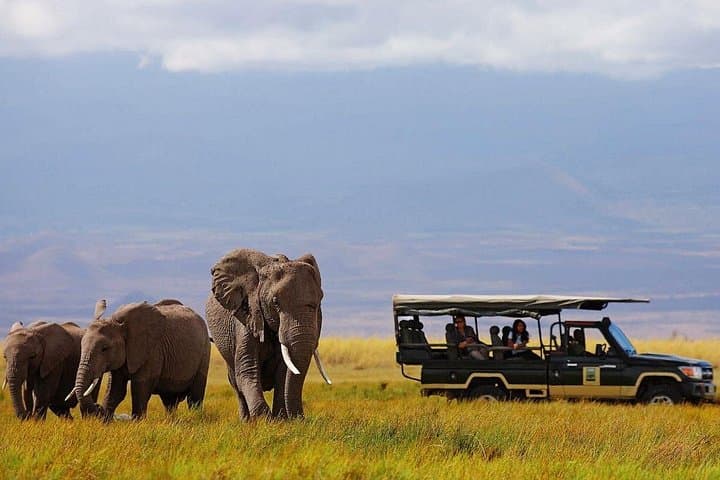
The morning light over the Rift Valley is blunt and honest — a band of gold that slides down escarpment and sets the soda lakes ablaze. On day one, the van eases away from Nairobi’s traffic and climbs toward a viewpoint where the caldera walls fall away like pages. Lake Bogoria’s shallows flare pink with flamingos; hydrothermal steam presses at the shoreline and the air tastes faintly of mineral and heat. Over six days the route becomes a rhythm: crater rims and bird choked lagoons, bicycle tracks in Hell’s Gate, and then the wide, wind-swept grass of the Masai Mara where lions and elephants roam like punctuation on the horizon.
Verified experiences and guided adventures in the surrounding area.
Operated by Gracepatt Safaris · Masai Mara National Reserve, Narok County
The morning light over the Rift Valley is blunt and honest — a band of gold that slides down escarpment and sets the soda lakes ablaze. On day one, the van eases away from Nairobi’s traffic and climbs toward a viewpoint where the caldera walls fall away like pages. Lake Bogoria’s shallows flare pink with flamingos; hydrothermal steam presses at the shoreline and the air tastes faintly of mineral and heat. Over six days the route becomes a rhythm: crater rims and bird choked lagoons, bicycle tracks in Hell’s Gate, and then the wide, wind-swept grass of the Masai Mara where lions and elephants roam like punctuation on the horizon.
This itinerary threads through the geology of East Africa — the Great Rift Valley’s tear in the crust that created alkaline lakes, hot springs and escarpments. Those same geological forces shaped Maasai culture here: pastoralists moving with the rains across a landscape defined by water, rock and seasonal grasses. Colonial-era conservation shaped the reserves visitors see today; Lake Nakuru and Masai Mara became protected for their wildlife and the unique bird concentrations that feed on the valley’s mineral-rich waters.
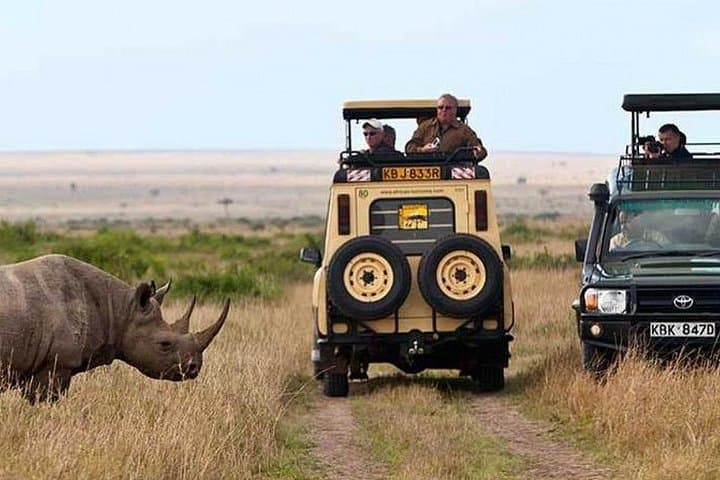
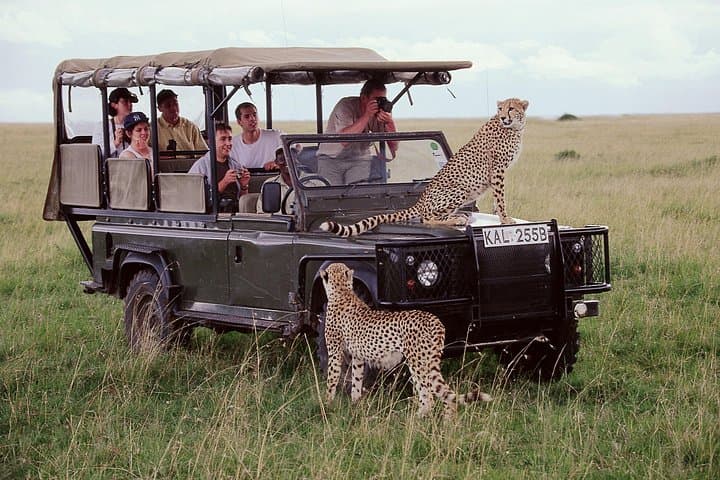
Each stop has its own character. Lake Bogoria’s hot springs hiss and invite a cautious walk; Lake Nakuru is a surprising mosaic of marsh, woodland and rocky outcrop where rhinos shadow the waterline; Hell’s Gate is the rare Kenyan park where you can pedal through a gorge; and Masai Mara is plains-scale drama — prides, prides of lion cubs, vast herds of wildebeest and inevitable river crossings where crocodiles wait.
Practicality shapes the pleasure. Daily drives are long but punctuated by guided game drives, lodge meals and time to decompress by the pool. Accommodations are mid-to-upscale lodges with included meals, bottled water and park fees handled by the operator. Because roads cross varied terrain, expect dust, occasional washboard surfaces and early starts for optimal wildlife viewing.
For planning: travel light with layered clothing for early mornings and hot afternoons, bring good binoculars and a camera with a telephoto lens, and carry a refillable water bottle. Health preparations include routine travel vaccinations, anti-malarial advice and sturdy walking shoes for short treks and guided walks in parks. Reserve your dates for the dry season if big-game concentration is a priority; migratory spectacle in the Mara peaks with the long rains—timing changes the story you’ll see.
On this private safari, the guide is the human compass: reading spoor, positioning vehicles for light, and explaining Maasai customs if you visit a village. The trip delivers both spectacle and context — an introduction to East Africa’s geological spine and the creatures and communities that keep moving across it.
Price includes professional guide, park entrance fees, five nights’ accommodation, breakfasts, lunches and dinners as per itinerary, and bottled water.
Pickup is available from Nairobi hotels, private apartments and the airport; confirm your pickup point and flight details at booking.
Malaria risk exists in parts of Kenya; consult your doctor about anti-malarial medication and bring insect repellent and long sleeves for evenings.
Yes — special dietary requirements can be requested at booking; lodges will make reasonable accommodations.
The tour is marked suitable for all fitness levels but not recommended for travelers with serious heart or spinal conditions; inquire about child policies when booking.
Migration timing varies yearly; large river crossings in the Masai Mara typically occur July–October, but sightings are not guaranteed.
Gracepatt Safaris operates guided outdoor trips and adventures with an emphasis on safety, stewardship, and memorable experiences.

The morning light over the Rift Valley is blunt and honest — a band of gold that slides down escarpment and sets the soda lakes ablaze. On day one, the van eases away from Nairobi’s traffic and climbs toward a viewpoint where the caldera walls fall away like pages. Lake Bogoria’s shallows flare pink with flamingos; hydrothermal steam presses at the shoreline and the air tastes faintly of mineral and heat. Over six days the route becomes a rhythm: crater rims and bird choked lagoons, bicycle tracks in Hell’s Gate, and then the wide, wind-swept grass of the Masai Mara where lions and elephants roam like punctuation on the horizon.
The morning light over the Rift Valley is blunt and honest — a band of gold that slides down escarpment and sets the soda lakes ablaze. On day one, the van eases away from Nairobi’s traffic and climbs toward a viewpoint where the caldera walls fall away like pages. Lake Bogoria’s shallows flare pink with flamingos; hydrothermal steam presses at the shoreline and the air tastes faintly of mineral and heat. Over six days the route becomes a rhythm: crater rims and bird choked lagoons, bicycle tracks in Hell’s Gate, and then the wide, wind-swept grass of the Masai Mara where lions and elephants roam like punctuation on the horizon.
This itinerary threads through the geology of East Africa — the Great Rift Valley’s tear in the crust that created alkaline lakes, hot springs and escarpments. Those same geological forces shaped Maasai culture here: pastoralists moving with the rains across a landscape defined by water, rock and seasonal grasses. Colonial-era conservation shaped the reserves visitors see today; Lake Nakuru and Masai Mara became protected for their wildlife and the unique bird concentrations that feed on the valley’s mineral-rich waters.
Each stop has its own character. Lake Bogoria’s hot springs hiss and invite a cautious walk; Lake Nakuru is a surprising mosaic of marsh, woodland and rocky outcrop where rhinos shadow the waterline; Hell’s Gate is the rare Kenyan park where you can pedal through a gorge; and Masai Mara is plains-scale drama — prides, prides of lion cubs, vast herds of wildebeest and inevitable river crossings where crocodiles wait.
Practicality shapes the pleasure. Daily drives are long but punctuated by guided game drives, lodge meals and time to decompress by the pool. Accommodations are mid-to-upscale lodges with included meals, bottled water and park fees handled by the operator. Because roads cross varied terrain, expect dust, occasional washboard surfaces and early starts for optimal wildlife viewing.
For planning: travel light with layered clothing for early mornings and hot afternoons, bring good binoculars and a camera with a telephoto lens, and carry a refillable water bottle. Health preparations include routine travel vaccinations, anti-malarial advice and sturdy walking shoes for short treks and guided walks in parks. Reserve your dates for the dry season if big-game concentration is a priority; migratory spectacle in the Mara peaks with the long rains—timing changes the story you’ll see.
On this private safari, the guide is the human compass: reading spoor, positioning vehicles for light, and explaining Maasai customs if you visit a village. The trip delivers both spectacle and context — an introduction to East Africa’s geological spine and the creatures and communities that keep moving across it.