THE ADVENTURE COLLECTIVE® · Independent discovery and booking for outdoor travel

Spend a day beyond Sofia exploring Rila Monastery’s frescoed cloisters and the alien columns of Stob Pyramids. This private full‑day tour combines cultural history with a moderate 3‑hour hike through striking hoodoos.
Spend a day beyond Sofia exploring Rila Monastery’s frescoed cloisters and the alien columns of Stob Pyramids. This private full‑day tour combines cultural history with a moderate 3‑hour hike through striking hoodoos.
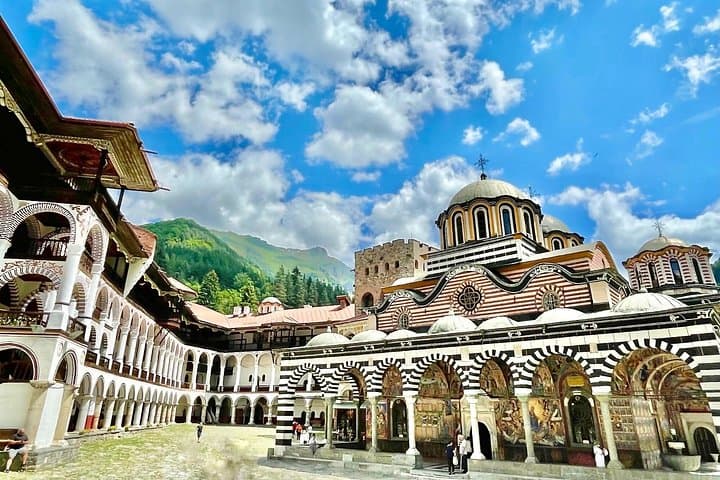
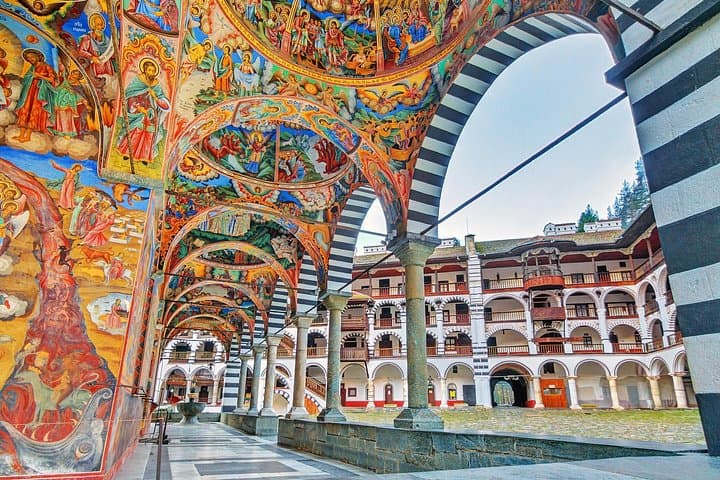
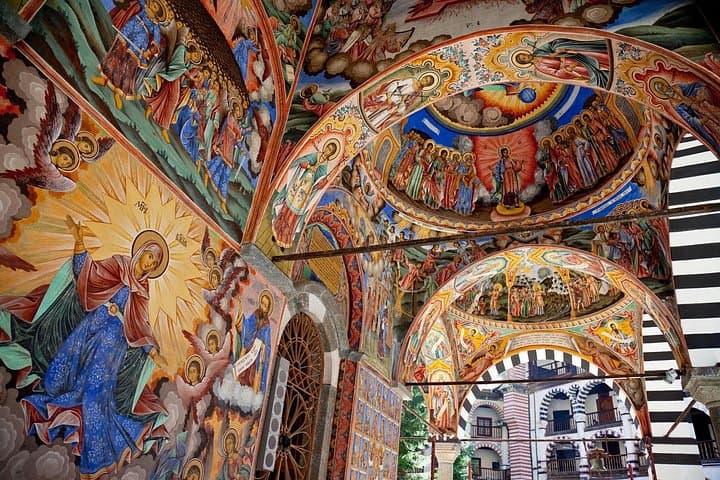
You step out of the air‑conditioned van as the mountain air trims the edge off Sofia's city heat. Stone walls rise ahead, painted frescoes glance back like centuries-old witnesses; the courtyard of Rila Monastery opens and asks for measured footsteps. Later, the same day, a different landscape takes the stage — columns of ochre and gray rock at Stob that lean into one another like a line of patient sentries. The two sites feel like separate chapters of Bulgaria's story: one carved by faith, the other by wind, water and time.
Verified experiences and guided adventures in the surrounding area.
Operated by taxiGo Limo Airport Service · Rila, Kyustendil Province
You step out of the air‑conditioned van as the mountain air trims the edge off Sofia's city heat. Stone walls rise ahead, painted frescoes glance back like centuries-old witnesses; the courtyard of Rila Monastery opens and asks for measured footsteps. Later, the same day, a different landscape takes the stage — columns of ochre and gray rock at Stob that lean into one another like a line of patient sentries. The two sites feel like separate chapters of Bulgaria's story: one carved by faith, the other by wind, water and time.
Rila Monastery, founded by St John of Rila in the 10th century, became the spiritual engine of medieval Bulgaria and a cultural anchor during the Bulgarian National Revival of the 18th–19th centuries. Its frescoed church and wood‑carved cloisters survived fires and rebuilds, and the complex you walk through today dates largely to the 1834–1862 reconstruction. Stob's Pyramids, by contrast, are recent in geological terms — hoodoos formed from alternating layers of clay, sand and conglomerate, eroded into conical columns up to 12 meters tall. The formations sit on the foothills of the Rila range, a quiet demonstration of how simple forces sculpt the land.
The tour is a practical puzzle: roughly 7 hours total, including a 1.5–2 hour scenic drive from Sofia, a 3‑hour guided visit and hike at Stob, and a 3‑hour visit to Rila's monastic complex. The hike to the Stob Pyramids is moderate — expect uneven dirt trails, short uphill sections and about 6–8 km of walking spread across the site and viewpoints (approx. 200–300 m cumulative elevation change). Paths can be dusty in summer and slick after rain; trail shoes with good tread are worth the space in your bag.
Culturally, the monastery is active — respect local customs: shoulders and knees covered, quiet in the church, and small donations for preservation are appreciated. Food options include a monastery café and a few taverns near Stob; bring cash for small purchases. Photography rewards patience: sunrise and late afternoon accentuate the carvings and rock shadows.
For planning: start early to avoid midday coach crowds, carry water and sun protection, and factor in modest dress for the monastery. The private format means flexible pickup around central Sofia hotels and the option to tailor stops if you prefer a longer hike or a slower time in the monastery. Whether you come for the frescoes or the hoodoos, the day reads like a compact field guide to Bulgaria — religious history, folk architecture and raw geology all in one route. Leave no trace, follow your guide's local know‑how, and you'll walk away with more than photos: a clear sense of how people and landscape have shaped each other here.
The full‑day private tour lasts about 7 hours (420 minutes), including transport, visits and the hike at Stob.
Admission specifics vary; check with the operator — the itinerary notes admission for Stob is included while monastery donations and some entrances may require a small fee.
Moderate: uneven dirt paths and short climbs over approximately 6–8 km total; suitable for most hikers with basic fitness.
Yes — modest clothing is requested in the church: cover shoulders and knees; avoid hats and loud clothing inside.
Yes — private pickups from central Sofia hotels are provided; confirm your exact pickup point when booking.
No full meals are included; there are café and tavern options at the sites but bringing snacks or cash for lunch is recommended.
taxiGo Limo Airport Service operates guided outdoor trips and adventures with an emphasis on safety, stewardship, and memorable experiences.

You step out of the air‑conditioned van as the mountain air trims the edge off Sofia's city heat. Stone walls rise ahead, painted frescoes glance back like centuries-old witnesses; the courtyard of Rila Monastery opens and asks for measured footsteps. Later, the same day, a different landscape takes the stage — columns of ochre and gray rock at Stob that lean into one another like a line of patient sentries. The two sites feel like separate chapters of Bulgaria's story: one carved by faith, the other by wind, water and time.
You step out of the air‑conditioned van as the mountain air trims the edge off Sofia's city heat. Stone walls rise ahead, painted frescoes glance back like centuries-old witnesses; the courtyard of Rila Monastery opens and asks for measured footsteps. Later, the same day, a different landscape takes the stage — columns of ochre and gray rock at Stob that lean into one another like a line of patient sentries. The two sites feel like separate chapters of Bulgaria's story: one carved by faith, the other by wind, water and time.
Rila Monastery, founded by St John of Rila in the 10th century, became the spiritual engine of medieval Bulgaria and a cultural anchor during the Bulgarian National Revival of the 18th–19th centuries. Its frescoed church and wood‑carved cloisters survived fires and rebuilds, and the complex you walk through today dates largely to the 1834–1862 reconstruction. Stob's Pyramids, by contrast, are recent in geological terms — hoodoos formed from alternating layers of clay, sand and conglomerate, eroded into conical columns up to 12 meters tall. The formations sit on the foothills of the Rila range, a quiet demonstration of how simple forces sculpt the land.
The tour is a practical puzzle: roughly 7 hours total, including a 1.5–2 hour scenic drive from Sofia, a 3‑hour guided visit and hike at Stob, and a 3‑hour visit to Rila's monastic complex. The hike to the Stob Pyramids is moderate — expect uneven dirt trails, short uphill sections and about 6–8 km of walking spread across the site and viewpoints (approx. 200–300 m cumulative elevation change). Paths can be dusty in summer and slick after rain; trail shoes with good tread are worth the space in your bag.
Culturally, the monastery is active — respect local customs: shoulders and knees covered, quiet in the church, and small donations for preservation are appreciated. Food options include a monastery café and a few taverns near Stob; bring cash for small purchases. Photography rewards patience: sunrise and late afternoon accentuate the carvings and rock shadows.
For planning: start early to avoid midday coach crowds, carry water and sun protection, and factor in modest dress for the monastery. The private format means flexible pickup around central Sofia hotels and the option to tailor stops if you prefer a longer hike or a slower time in the monastery. Whether you come for the frescoes or the hoodoos, the day reads like a compact field guide to Bulgaria — religious history, folk architecture and raw geology all in one route. Leave no trace, follow your guide's local know‑how, and you'll walk away with more than photos: a clear sense of how people and landscape have shaped each other here.