THE ADVENTURE COLLECTIVE® · Independent discovery and booking for outdoor travel

A full-day excursion from Punta Cana that pairs the rounded white sand of Cayo Levantado with the wide bay and breezes of Playa Rincón, plus a mangrove canoe through Caño Frío. Ten hours of beaches, a seaside lunch, and easy boat time to experience Samaná’s best in one trip.
A full-day excursion from Punta Cana that pairs the rounded white sand of Cayo Levantado with the wide bay and breezes of Playa Rincón, plus a mangrove canoe through Caño Frío. Ten hours of beaches, a seaside lunch, and easy boat time to experience Samaná’s best in one trip.
The day opens on an air-conditioned bus cutting east across the Dominican spine, palms sliding past like a green film. By mid-morning the road drops toward Samaná Bay and the water takes over the view: shallow aquamarine that dares you to step in. The tour splits its time between two of the peninsula’s most persuasive draws — Cayo Levantado’s rounded shore and the wide, wind-brushed sweep of Playa Rincón — with a mangrove canoe ride that lets the estuary’s quieter rhythms set the pace.
Verified experiences and guided adventures in the surrounding area.
Operated by Scape Caribe Tours & Travel · Santa Bárbara de Samaná, Samaná Province
The day opens on an air-conditioned bus cutting east across the Dominican spine, palms sliding past like a green film. By mid-morning the road drops toward Samaná Bay and the water takes over the view: shallow aquamarine that dares you to step in. The tour splits its time between two of the peninsula’s most persuasive draws — Cayo Levantado’s rounded shore and the wide, wind-brushed sweep of Playa Rincón — with a mangrove canoe ride that lets the estuary’s quieter rhythms set the pace.
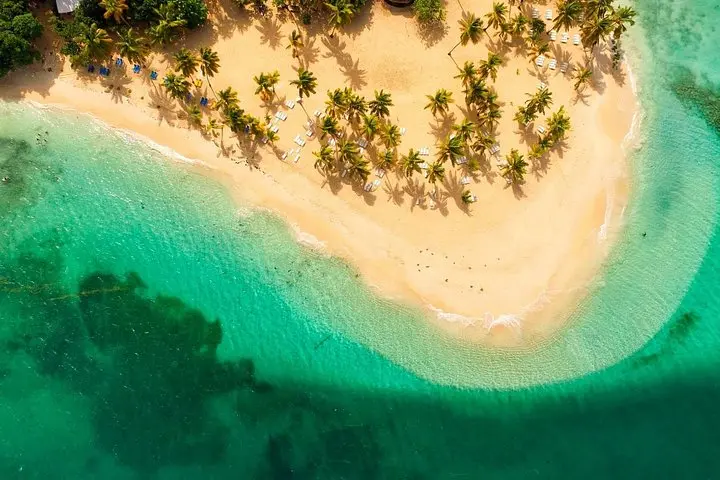
Cayo Levantado, sometimes called Bacardi Island after a long-running ad campaign, is a small coral-dominated isle whose powder-white sand and coconut fringes sit like an open palm in the bay. The geology here is coastal carbonate — skeletal sand formed from broken shells and coral — and the island’s low profile means wind sculpts the shore line daily.
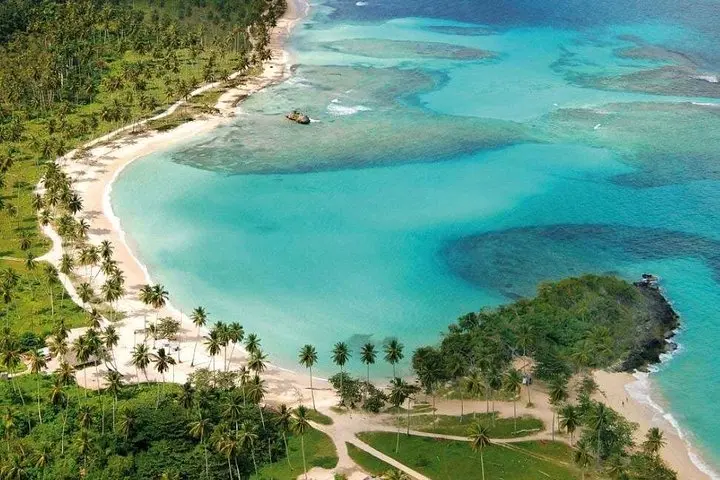
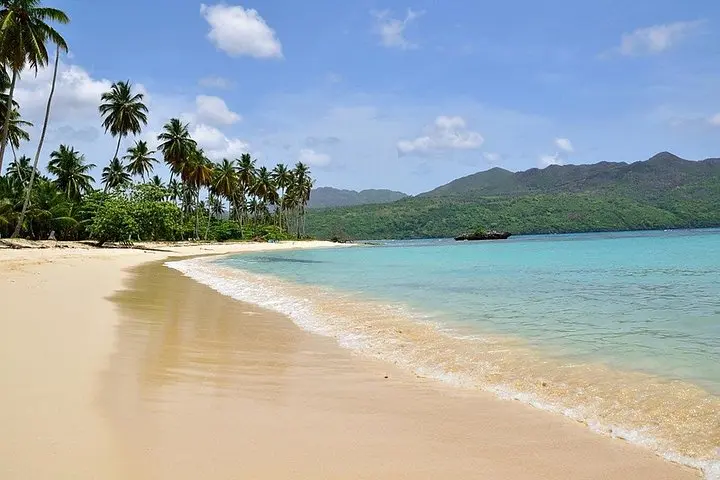
Playa Rincón, farther along the peninsula, has a different character: a broad crescent backed by low limestone ridges and scattered coconut palms. Locals have long fished these waters; the Samaná region was home to Taíno communities before colonial occupation, and today the coastline supports small fishing villages and agroforestry plots that supply the restaurant lunches served on the tour.
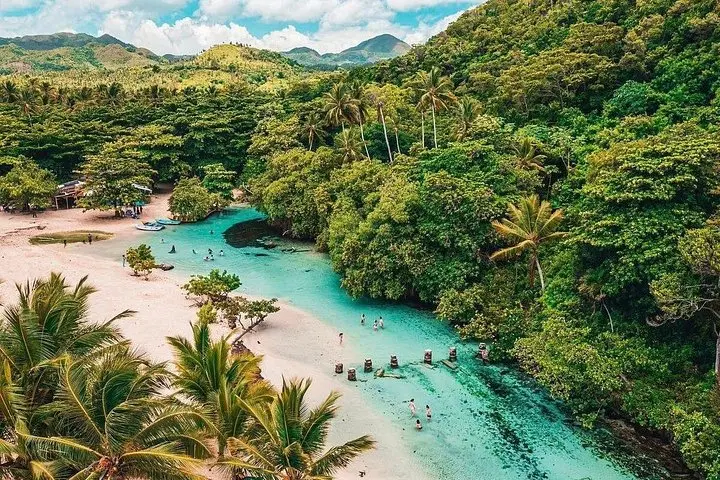
Between beaches the smaller touchpoint is Caño Frío, a clear spring-fed channel where guides arrange a short canoe trip through mangrove tunnels. The mangrove is not passive scenery — roots grip the mud and tides move through the roots with a purposeful push — and it’s a good place to notice shorebirds and juvenile reef fish using the roots as nurseries.
Practicalities: the full excursion runs about 10 hours with hotel pickup from the Punta Cana/Bayahibe corridor; bring sun protection, reef-safe sunscreen, a light dry bag, and cash for tips or souvenirs. Wear quick-drying swimwear under your clothes for easy transitions and shoes that handle sand and short walks.
Timing matters. If you crave relatively calmer seas and softer light for photos, ask for the morning boat slot to Cayo Levantado; late afternoons can be windier at Rincón. The trip is marketed as accessible for most fitness levels, but travelers with back or heart conditions should note there’s about a half-hour canoe component and time standing on small boats.
On the cultural side, lunch is typically a Dominican plate of fish, rice, and plantains served facing the bay — an unassuming way to sample local flavor. Environmentally, the biggest impacts are from beach litter and pressure on mangroves; choose operators that emphasize responsible anchoring and waste handling. For anyone based in Punta Cana, this day trip is an efficient way to compress Samaná’s big-water highlights into one long, rewarding day.
Pickup and return make this a roughly 10-hour day trip — expect early pickup and late-afternoon return to hotels.
Yes — a typical Dominican lunch facing the bay is provided at Cayo Levantado.
Yes; both Cayo Levantado and Playa Rincón have swimmable shorelines, though currents vary — follow guide instructions.
Conditions depend on weather and season; mornings are usually calmer but small-boat transfers can be choppy for those prone to seasickness.
Basic facilities are available at the main beach restaurants on Cayo Levantado and near Rincón, but expect rustic options in some stops.
The tour is family-friendly and marketed as suitable for most fitness levels; non-swimmers should use provided flotation and stay with the group.
Scape Caribe Tours & Travel operates guided outdoor trips and adventures with an emphasis on safety, stewardship, and memorable experiences.
The day opens on an air-conditioned bus cutting east across the Dominican spine, palms sliding past like a green film. By mid-morning the road drops toward Samaná Bay and the water takes over the view: shallow aquamarine that dares you to step in. The tour splits its time between two of the peninsula’s most persuasive draws — Cayo Levantado’s rounded shore and the wide, wind-brushed sweep of Playa Rincón — with a mangrove canoe ride that lets the estuary’s quieter rhythms set the pace.
The day opens on an air-conditioned bus cutting east across the Dominican spine, palms sliding past like a green film. By mid-morning the road drops toward Samaná Bay and the water takes over the view: shallow aquamarine that dares you to step in. The tour splits its time between two of the peninsula’s most persuasive draws — Cayo Levantado’s rounded shore and the wide, wind-brushed sweep of Playa Rincón — with a mangrove canoe ride that lets the estuary’s quieter rhythms set the pace.
Cayo Levantado, sometimes called Bacardi Island after a long-running ad campaign, is a small coral-dominated isle whose powder-white sand and coconut fringes sit like an open palm in the bay. The geology here is coastal carbonate — skeletal sand formed from broken shells and coral — and the island’s low profile means wind sculpts the shore line daily.
Playa Rincón, farther along the peninsula, has a different character: a broad crescent backed by low limestone ridges and scattered coconut palms. Locals have long fished these waters; the Samaná region was home to Taíno communities before colonial occupation, and today the coastline supports small fishing villages and agroforestry plots that supply the restaurant lunches served on the tour.
Between beaches the smaller touchpoint is Caño Frío, a clear spring-fed channel where guides arrange a short canoe trip through mangrove tunnels. The mangrove is not passive scenery — roots grip the mud and tides move through the roots with a purposeful push — and it’s a good place to notice shorebirds and juvenile reef fish using the roots as nurseries.
Practicalities: the full excursion runs about 10 hours with hotel pickup from the Punta Cana/Bayahibe corridor; bring sun protection, reef-safe sunscreen, a light dry bag, and cash for tips or souvenirs. Wear quick-drying swimwear under your clothes for easy transitions and shoes that handle sand and short walks.
Timing matters. If you crave relatively calmer seas and softer light for photos, ask for the morning boat slot to Cayo Levantado; late afternoons can be windier at Rincón. The trip is marketed as accessible for most fitness levels, but travelers with back or heart conditions should note there’s about a half-hour canoe component and time standing on small boats.
On the cultural side, lunch is typically a Dominican plate of fish, rice, and plantains served facing the bay — an unassuming way to sample local flavor. Environmentally, the biggest impacts are from beach litter and pressure on mangroves; choose operators that emphasize responsible anchoring and waste handling. For anyone based in Punta Cana, this day trip is an efficient way to compress Samaná’s big-water highlights into one long, rewarding day.