THE ADVENTURE COLLECTIVE® · Independent discovery and booking for outdoor travel
A compact but committed 2-day trek from Sembalun to Mount Rinjani’s summit, timed for sunrise and sunset. Expect steep volcanic climbs, cold nights on the crater rim, and sweeping island views from 3,726 m.
A compact but committed 2-day trek from Sembalun to Mount Rinjani’s summit, timed for sunrise and sunset. Expect steep volcanic climbs, cold nights on the crater rim, and sweeping island views from 3,726 m.
Dawn pulls a cool blue over the open meadows of Sembalun as you shoulder your pack and step onto the trail. The path starts gentle—grass and volcanic scree underfoot—then tightens into a lung-burning climb toward the crater rim. By evening the rim holds a high, thin light; by night it holds you, wrapped in wind and the distant lights of Lombok below.
Verified experiences and guided adventures in the surrounding area.
Operated by Cakrawala Rinjani Trekking · Sembalun, West Nusa Tenggara
Dawn pulls a cool blue over the open meadows of Sembalun as you shoulder your pack and step onto the trail. The path starts gentle—grass and volcanic scree underfoot—then tightens into a lung-burning climb toward the crater rim. By evening the rim holds a high, thin light; by night it holds you, wrapped in wind and the distant lights of Lombok below.
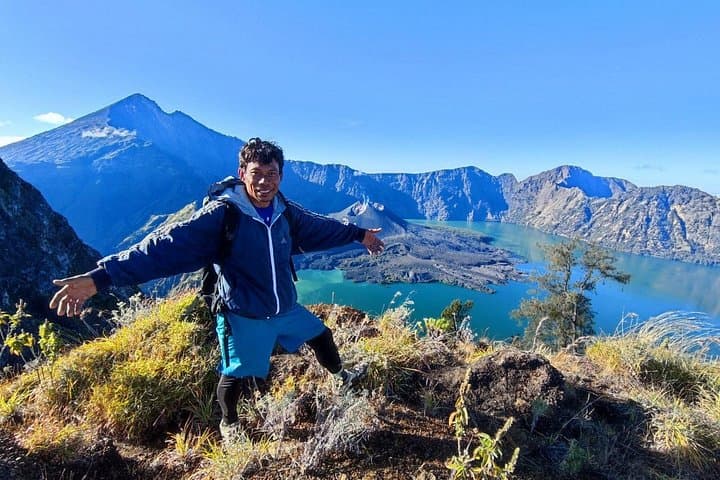
Geology here is blunt and recent: Mount Rinjani is an active stratovolcano whose last major eruption reshaped the caldera and created Segara Anak lake. The Sembalun route traverses volcanic ash and pumice, then solidified lava ridgelines; expect loose scree on steep pitches. Culturally, the mountain is sacred to Sasak and Balinese communities—offerings at the crater and seasonal pilgrimages still mark the human link to this place.
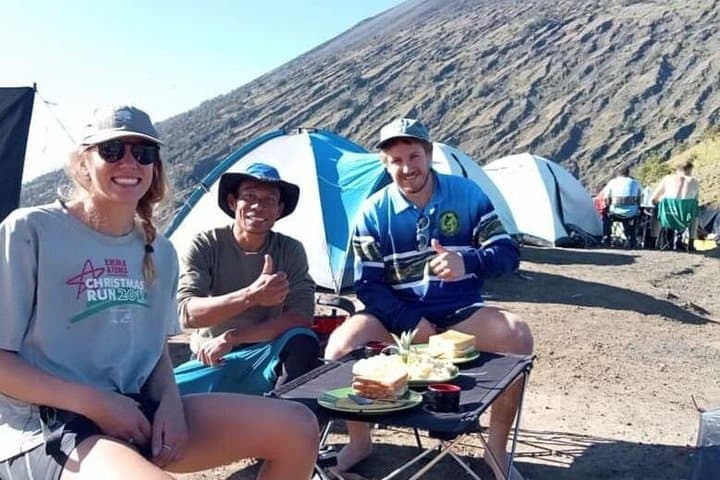
Practical guidance: the 2-day program covers roughly 18–22 km round trip with 1,100–1,300 m of elevation gain on day one and a pre-dawn summit push on day two to reach 3,726 m. Nights are cold at camp on the rim—bring a warm sleeping system. Water is provided during the trek, but carry a 1–2 L capacity and electrolyte mix for the summit push. Footwear with good grip and ankle support helps on loose volcanic trails; a headlamp and trekking poles make the pre-dawn ascent safer and faster.
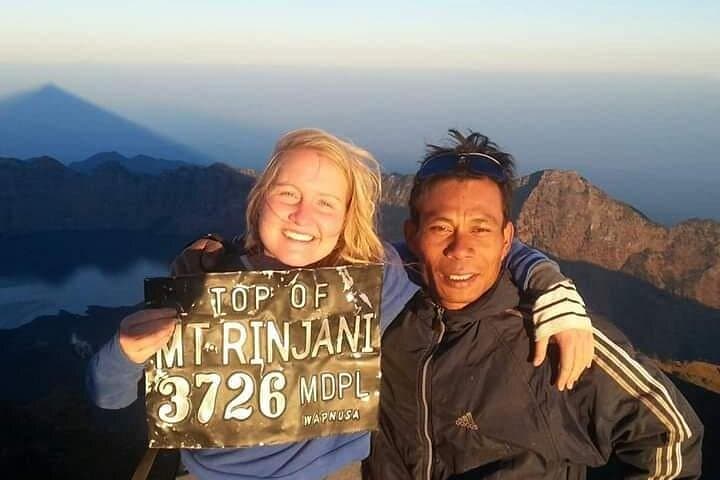
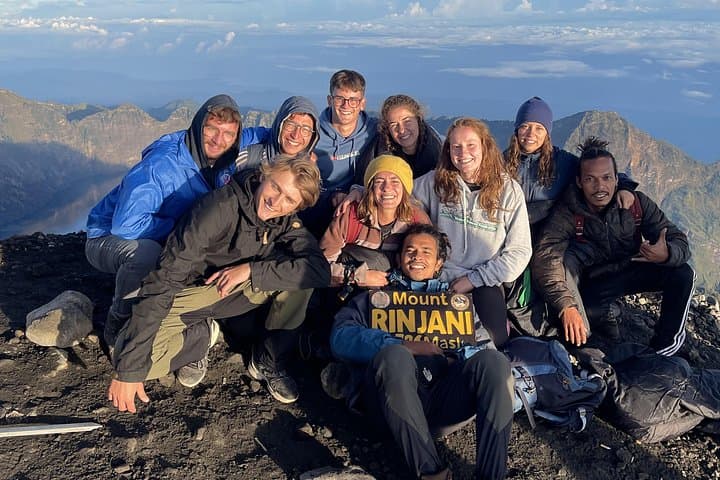
Timing matters: start early from Sembalun, plan for steep sections that can be slow, and allow time for acclimatization if you’ve come from sea level. The payoff is immediate: sunrise from the summit with views to Bali and Sumbawa, and the crater lake below—reward that matches the effort.
You should have good cardiovascular fitness and experience hiking 6–8+ hour days; the itinerary includes sustained steep climbs and long descents.
Yes—summit height is 3,726 m. Take pace slowly, stay hydrated, and tell guides if you feel dizzy, nauseous, or unusually tired; the guides can adjust plans.
Typical inclusions are guide and porter, tent and sleeping gear, meals and drinking water, transport after the trek to selected drop-off points, and national park entrance fees as listed.
This program is aimed at experienced or well-conditioned trekkers; beginners without prior multi-day experience should consider a longer itinerary or build fitness first.
Cakrawala Rinjani Trekking operates guided outdoor trips and adventures with an emphasis on safety, stewardship, and memorable experiences.
Dawn pulls a cool blue over the open meadows of Sembalun as you shoulder your pack and step onto the trail. The path starts gentle—grass and volcanic scree underfoot—then tightens into a lung-burning climb toward the crater rim. By evening the rim holds a high, thin light; by night it holds you, wrapped in wind and the distant lights of Lombok below.
Dawn pulls a cool blue over the open meadows of Sembalun as you shoulder your pack and step onto the trail. The path starts gentle—grass and volcanic scree underfoot—then tightens into a lung-burning climb toward the crater rim. By evening the rim holds a high, thin light; by night it holds you, wrapped in wind and the distant lights of Lombok below.
Geology here is blunt and recent: Mount Rinjani is an active stratovolcano whose last major eruption reshaped the caldera and created Segara Anak lake. The Sembalun route traverses volcanic ash and pumice, then solidified lava ridgelines; expect loose scree on steep pitches. Culturally, the mountain is sacred to Sasak and Balinese communities—offerings at the crater and seasonal pilgrimages still mark the human link to this place.
Practical guidance: the 2-day program covers roughly 18–22 km round trip with 1,100–1,300 m of elevation gain on day one and a pre-dawn summit push on day two to reach 3,726 m. Nights are cold at camp on the rim—bring a warm sleeping system. Water is provided during the trek, but carry a 1–2 L capacity and electrolyte mix for the summit push. Footwear with good grip and ankle support helps on loose volcanic trails; a headlamp and trekking poles make the pre-dawn ascent safer and faster.
Timing matters: start early from Sembalun, plan for steep sections that can be slow, and allow time for acclimatization if you’ve come from sea level. The payoff is immediate: sunrise from the summit with views to Bali and Sumbawa, and the crater lake below—reward that matches the effort.
