THE ADVENTURE COLLECTIVE® · Independent discovery and booking for outdoor travel

An intensive 3-day trek that climbs to Mount Rinjani’s 3,726 m summit, descends to Segara Anak lake, and ends with nearby hot springs. Expect steep sandy slopes, pre-dawn summit pushes, and multiday camping with local guides and porters.
An intensive 3-day trek that climbs to Mount Rinjani’s 3,726 m summit, descends to Segara Anak lake, and ends with nearby hot springs. Expect steep sandy slopes, pre-dawn summit pushes, and multiday camping with local guides and porters.
You climb out of a cool, highland night into wide Sembalun grasslands that slope toward a dark rim—Rinjani’s crater waits like a shaped challenge. Early steps rise through grasses and scattered pines, then into volcanic scree that will test your footing and patience before the summit delivers a raw sunrise over Lombok and the crescent of Segara Anak below.
Verified experiences and guided adventures in the surrounding area.
Operated by lombok trekking info · Senaru, West Nusa Tenggara
You climb out of a cool, highland night into wide Sembalun grasslands that slope toward a dark rim—Rinjani’s crater waits like a shaped challenge. Early steps rise through grasses and scattered pines, then into volcanic scree that will test your footing and patience before the summit delivers a raw sunrise over Lombok and the crescent of Segara Anak below.
Geology here is dramatic: the present caldera formed after the 13th-century Samalas eruption, leaving a crater lake and hot springs fed by residual heat. The mountain is central to Sasak cultural life; local guides will often point out ritual sites and explain offerings left at rim shrines. Expect changing ecosystems over three days — montane forest, open meadows, coarse volcanic sand and barren summit ridges.
Practically, this itinerary covers roughly 2–3 days of steady trekking with a summit at 3,726 m (12,224 ft). Daily legs include 2–5 hour segments to camps and a steep pre-dawn 3–4 hour push to the summit. Guides and porters are standard; tents, sleeping gear and meals are provided. Footwear with good grip is essential for the sandy descents; layers and a warm jacket matter at the summit. Hydrate, pace on the steep slopes, and watch for altitude symptoms.
Plan for early starts, tight weather windows during the wet season, and a final soak at Aik Kalak hot springs to ease tired muscles. This is a high-reward, high-effort trek: bring fitness, respect the mountain’s cultural rules, and leave no trace.
From the common overnight camp on the crater rim the summit typically takes about 3–4 hours at a steady pace; total times vary with fitness and weather.
No technical climbing gear is required for the normal routes—good boots, warm layers and poles are the standard kit; guides and porters handle camping logistics.
Bottled or treated water is typically provided during the trek, but bring a refillable bottle and purification tablets as a backup.
Yes, Rinjani National Park requires permits and entrance fees; reputable operators include these in the package and arrange ranger briefings.
lombok trekking info operates guided outdoor trips and adventures with an emphasis on safety, stewardship, and memorable experiences.
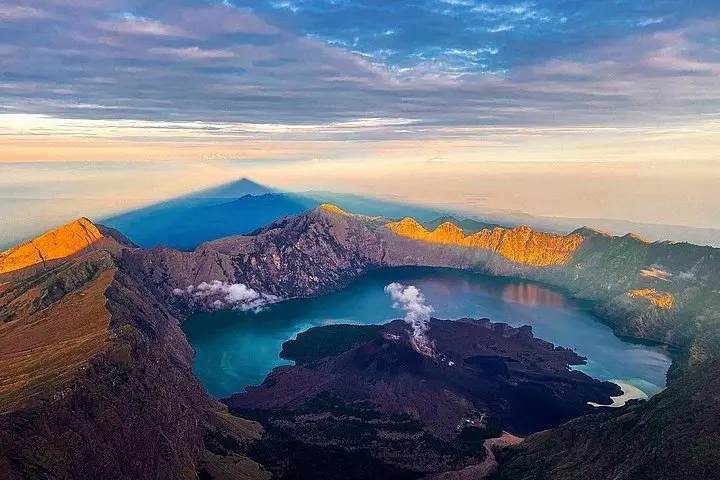
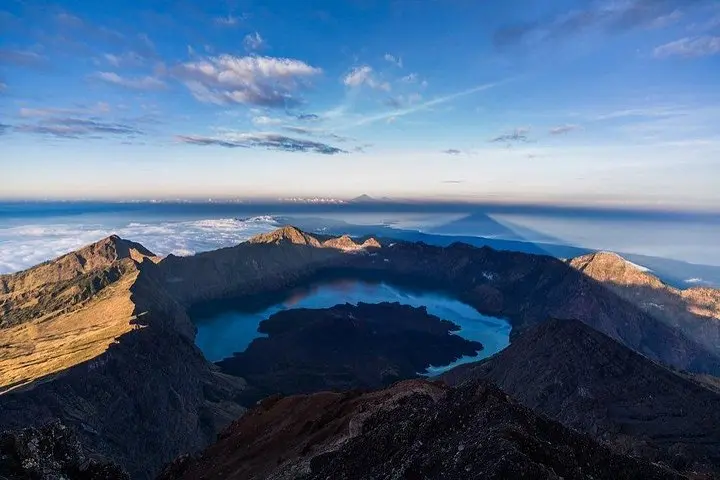
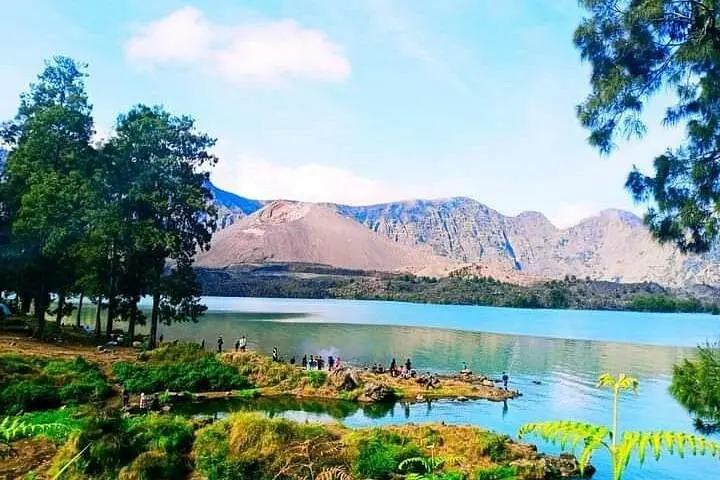
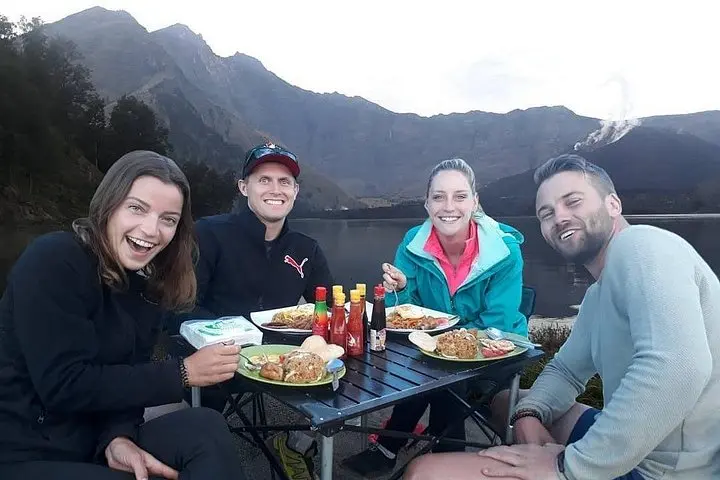
You climb out of a cool, highland night into wide Sembalun grasslands that slope toward a dark rim—Rinjani’s crater waits like a shaped challenge. Early steps rise through grasses and scattered pines, then into volcanic scree that will test your footing and patience before the summit delivers a raw sunrise over Lombok and the crescent of Segara Anak below.
You climb out of a cool, highland night into wide Sembalun grasslands that slope toward a dark rim—Rinjani’s crater waits like a shaped challenge. Early steps rise through grasses and scattered pines, then into volcanic scree that will test your footing and patience before the summit delivers a raw sunrise over Lombok and the crescent of Segara Anak below.
Geology here is dramatic: the present caldera formed after the 13th-century Samalas eruption, leaving a crater lake and hot springs fed by residual heat. The mountain is central to Sasak cultural life; local guides will often point out ritual sites and explain offerings left at rim shrines. Expect changing ecosystems over three days — montane forest, open meadows, coarse volcanic sand and barren summit ridges.
Practically, this itinerary covers roughly 2–3 days of steady trekking with a summit at 3,726 m (12,224 ft). Daily legs include 2–5 hour segments to camps and a steep pre-dawn 3–4 hour push to the summit. Guides and porters are standard; tents, sleeping gear and meals are provided. Footwear with good grip is essential for the sandy descents; layers and a warm jacket matter at the summit. Hydrate, pace on the steep slopes, and watch for altitude symptoms.
Plan for early starts, tight weather windows during the wet season, and a final soak at Aik Kalak hot springs to ease tired muscles. This is a high-reward, high-effort trek: bring fitness, respect the mountain’s cultural rules, and leave no trace.