THE ADVENTURE COLLECTIVE® · Independent discovery and booking for outdoor travel

Climb Sugarloaf, thread the Costão trail through Atlantic Forest and finish with an optional hang-glide over São Conrado—this full-day Rio experience mixes exposed granite, rainforest trails and coastal air. Practical, guided, and accessible for most hikers.
Climb Sugarloaf, thread the Costão trail through Atlantic Forest and finish with an optional hang-glide over São Conrado—this full-day Rio experience mixes exposed granite, rainforest trails and coastal air. Practical, guided, and accessible for most hikers.
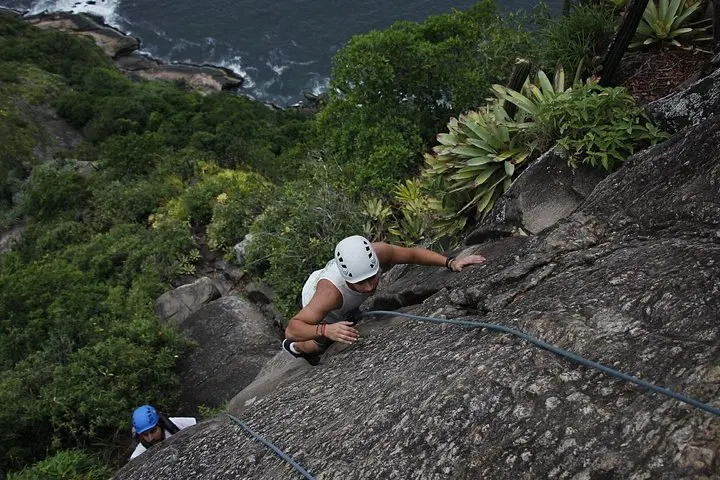
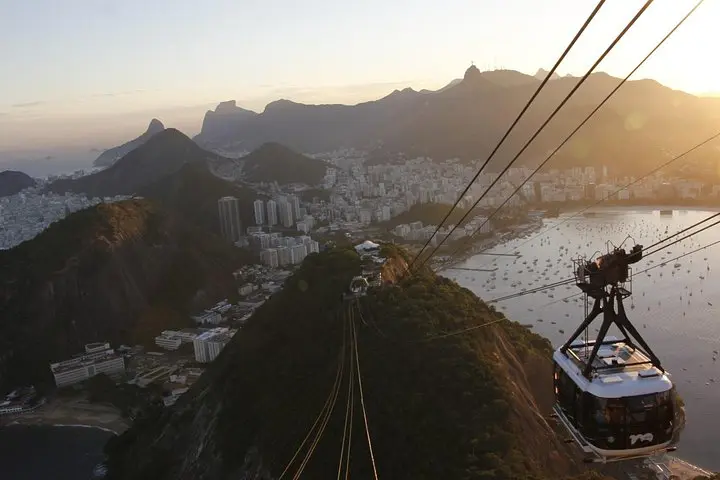
You start under a sky the color of spilled cobalt, the city of Rio unfurling beneath like a living map—beaches arcing in white, high-rises climbing toward Tijuca's green flank. The climb to Sugarloaf's summit feels immediate: a mix of coastal wind, the salt tang of the Atlantic, and the steady rhythm of your boots on rock. Guides chip away at the logistics—ropes, helmet checks, and short coaching on a brief scrambling section—and then the city expands into view: Guanabara Bay, Copacabana’s ribbon of sand, and the distant silhouette of Christ the Redeemer.
Verified experiences and guided adventures in the surrounding area.
Operated by Nattrip - Tourism, Ecotourism and Adventure in Rio de Janeiro · Rio de Janeiro, Rio de Janeiro
You start under a sky the color of spilled cobalt, the city of Rio unfurling beneath like a living map—beaches arcing in white, high-rises climbing toward Tijuca's green flank. The climb to Sugarloaf's summit feels immediate: a mix of coastal wind, the salt tang of the Atlantic, and the steady rhythm of your boots on rock. Guides chip away at the logistics—ropes, helmet checks, and short coaching on a brief scrambling section—and then the city expands into view: Guanabara Bay, Copacabana’s ribbon of sand, and the distant silhouette of Christ the Redeemer.
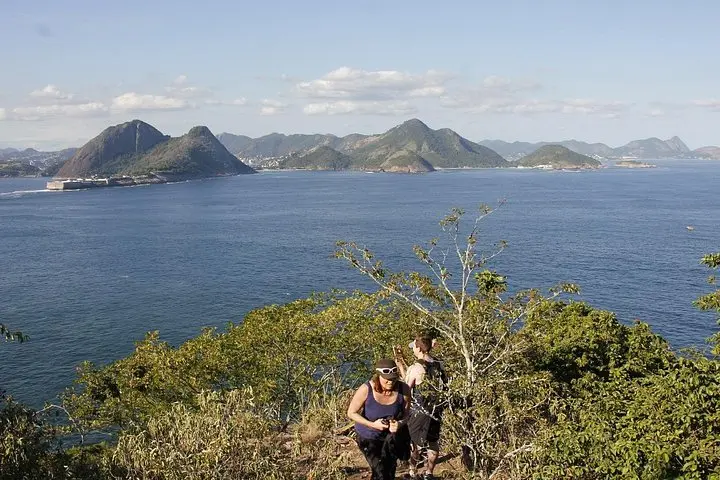
This is less a single activity than a stitched day of contrasts. The sugarloaf massif itself is granite worn smooth by wind and sea; its exposed faces reward steady footing with panoramic payoff. From there the Costão trail threads the forest edge—roots and rock, a handful of short climbs through Atlantic Forest that survives in fragments here. Guides provide local context: the Tijuca National Park was replanted in the 19th century as one of the largest urban reforestation projects ever undertaken, and the granite spines you walk formed over hundreds of millions of years as magma cooled and was revealed by erosion.
Midday brings a seaside pause at São Conrado. Sit at a beach kiosk and watch surfers and paragliders carve the shore breeze—this stretch of coast is as much urban theater as it is natural spectacle. For those seeking an extra rush, the optional hang-gliding flight launches from Pedra Bonita above São Conrado: the sensation of floating above the city is less cinematic fantasy than a precise physics lesson—lift, thermals, the Atlantic pushing beneath you.
Practicalities are straightforward: the full-day tour runs roughly seven hours, includes private transport and a professional guide, and suits most people comfortable with moderate hiking and short scrambling moves. Bring sturdy shoes (rocky sections demand grip), at least 1–2 liters of water, sunscreen, and insect repellent. Expect busy access points near the major viewpoints—arrive prepared to move efficiently and follow guide instructions for safety on exposed sections.
Culture and food are part of the rhythm: a beachside lunch lets you sample simple local flavors—fried fish, rice, farofa—while absorbing the coastal mood. Conservation matters here: stick to marked trails, avoid feeding wildlife, and carry out waste—these fragments of Atlantic Forest are fragile under the pressure of mass tourism.
By day’s end you’ll have traded the city’s grid for a series of sharp perspectives—granite up close, the forest’s damp shade, and the open blue of the ocean—each element insisting you look again at what urban nature can offer.
No—the hang-gliding option is offered on-site as an add-on and typically costs extra; it requires signing a waiver and depends on weather and wind conditions.
The tour is rated moderate: participants should be comfortable walking for several hours and able to manage short scrambling sections with guide support.
Lunch is not included; guides stop at São Conrado where you can buy a seaside meal—pack a snack if you prefer.
Yes—private transportation with pickup from most hotels in Rio’s tourist zones is included; confirm your pickup point when booking.
The operator sets a minimum age of 10 years for the tour; specific activities like hang-gliding may have additional age or weight limits.
The tour may proceed in light rain, but the operator can adjust or cancel parts of the itinerary for safety; cancellations outside the 24‑hour window follow the provider’s policy.
Nattrip - Tourism, Ecotourism and Adventure in Rio de Janeiro operates guided outdoor trips and adventures with an emphasis on safety, stewardship, and memorable experiences.

You start under a sky the color of spilled cobalt, the city of Rio unfurling beneath like a living map—beaches arcing in white, high-rises climbing toward Tijuca's green flank. The climb to Sugarloaf's summit feels immediate: a mix of coastal wind, the salt tang of the Atlantic, and the steady rhythm of your boots on rock. Guides chip away at the logistics—ropes, helmet checks, and short coaching on a brief scrambling section—and then the city expands into view: Guanabara Bay, Copacabana’s ribbon of sand, and the distant silhouette of Christ the Redeemer.
You start under a sky the color of spilled cobalt, the city of Rio unfurling beneath like a living map—beaches arcing in white, high-rises climbing toward Tijuca's green flank. The climb to Sugarloaf's summit feels immediate: a mix of coastal wind, the salt tang of the Atlantic, and the steady rhythm of your boots on rock. Guides chip away at the logistics—ropes, helmet checks, and short coaching on a brief scrambling section—and then the city expands into view: Guanabara Bay, Copacabana’s ribbon of sand, and the distant silhouette of Christ the Redeemer.
This is less a single activity than a stitched day of contrasts. The sugarloaf massif itself is granite worn smooth by wind and sea; its exposed faces reward steady footing with panoramic payoff. From there the Costão trail threads the forest edge—roots and rock, a handful of short climbs through Atlantic Forest that survives in fragments here. Guides provide local context: the Tijuca National Park was replanted in the 19th century as one of the largest urban reforestation projects ever undertaken, and the granite spines you walk formed over hundreds of millions of years as magma cooled and was revealed by erosion.
Midday brings a seaside pause at São Conrado. Sit at a beach kiosk and watch surfers and paragliders carve the shore breeze—this stretch of coast is as much urban theater as it is natural spectacle. For those seeking an extra rush, the optional hang-gliding flight launches from Pedra Bonita above São Conrado: the sensation of floating above the city is less cinematic fantasy than a precise physics lesson—lift, thermals, the Atlantic pushing beneath you.
Practicalities are straightforward: the full-day tour runs roughly seven hours, includes private transport and a professional guide, and suits most people comfortable with moderate hiking and short scrambling moves. Bring sturdy shoes (rocky sections demand grip), at least 1–2 liters of water, sunscreen, and insect repellent. Expect busy access points near the major viewpoints—arrive prepared to move efficiently and follow guide instructions for safety on exposed sections.
Culture and food are part of the rhythm: a beachside lunch lets you sample simple local flavors—fried fish, rice, farofa—while absorbing the coastal mood. Conservation matters here: stick to marked trails, avoid feeding wildlife, and carry out waste—these fragments of Atlantic Forest are fragile under the pressure of mass tourism.
By day’s end you’ll have traded the city’s grid for a series of sharp perspectives—granite up close, the forest’s damp shade, and the open blue of the ocean—each element insisting you look again at what urban nature can offer.