THE ADVENTURE COLLECTIVE® · Independent discovery and booking for outdoor travel

Experience Tenorio’s otherworldly blue river, close encounters with sloths and butterflies, and the broad plunge of Llanos de Cortés on a guided full-day circuit. This one-day route pairs geology, wildlife and accessible trails with hotel pickup.
Experience Tenorio’s otherworldly blue river, close encounters with sloths and butterflies, and the broad plunge of Llanos de Cortés on a guided full-day circuit. This one-day route pairs geology, wildlife and accessible trails with hotel pickup.
You step off the van into humid air threaded with bird calls and the distant rush of water — the day begins at the rim of Tenorio Volcano National Park, where the river seems to have been painted into the valley.
Verified experiences and guided adventures in the surrounding area.
Operated by Guanacaste Airport Shuttle Service · Bijagua, Alajuela
You step off the van into humid air threaded with bird calls and the distant rush of water — the day begins at the rim of Tenorio Volcano National Park, where the river seems to have been painted into the valley.
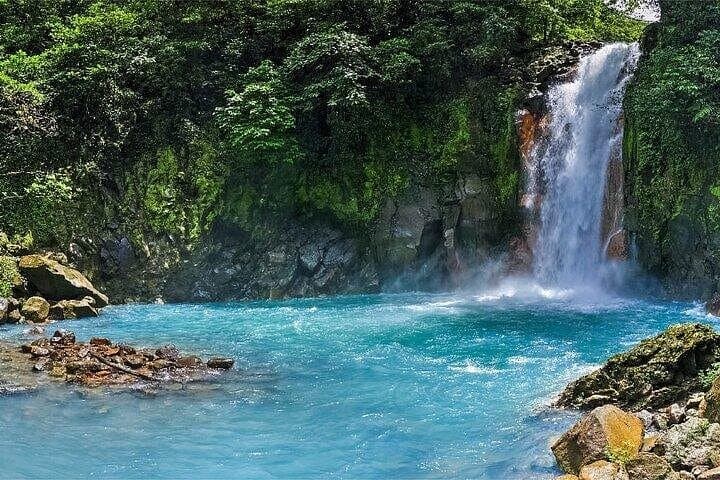
The Celeste River’s unreal turquoise comes from a chemical mix of volcanic minerals and sunlight reacting at Los Teñideros; local lore adds a story about maidens washing their linens until the dye turned the water blue. Geologically the area is young volcanic country — stripped lava flows, clay-rich soils and active geothermal chemistry shape the trail underfoot. The route moves through lower montane rainforest, past orchids and heliconia, then opens at viewpoints where the river folds into cascades.
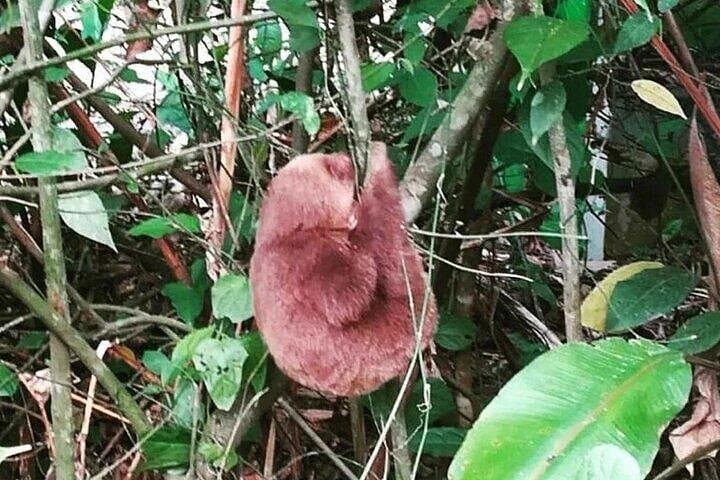
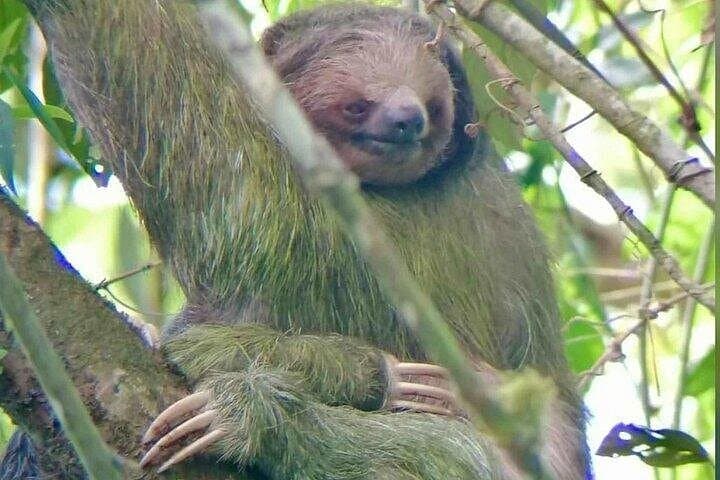
Later the rhythm shifts: a small, focused sloth sanctuary and butterfly house introduce the slow, intimate side of Costa Rican fauna. Guides here often double as cultural interpreters, explaining how local communities around Bijagua balance small-scale agriculture with eco-tourism. The day closes at Llanos de Cortés, a broad 20-meter waterfall that invites quick swims in clear plunge pools.
Practical edge: expect 10–11 hours with hotel pickup, moderate walking on muddy and rooty trails, and multiple short stops for photos and interpretation. Bring quick-dry layers, waterproof footwear, insect repellent, and a charged camera. Timing your visit for morning light at the river and late afternoon at the falls reduces crowds and makes wildlife sightings more likely.
The full-day tour runs about 10–11 hours and typically includes hotel pickup/drop-off, guides, entrance fees to attractions, breakfast and lunch, bottled water, and transportation in an air-conditioned vehicle.
Swimming is allowed in designated pools such as at Llanos de Cortés but not in all Rio Celeste sections; follow guide instructions about safe swimming spots and currents.
Yes — the trip is described as suitable for varied fitness levels, though it involves walking on uneven terrain; inform the operator of mobility needs when booking.
Expect birds (trogons, toucans), sloths at the sanctuary, butterflies in the enclosure and possibly small mammals and frogs in the rainforest; sightings are never guaranteed.
Guanacaste Airport Shuttle Service operates guided outdoor trips and adventures with an emphasis on safety, stewardship, and memorable experiences.

You step off the van into humid air threaded with bird calls and the distant rush of water — the day begins at the rim of Tenorio Volcano National Park, where the river seems to have been painted into the valley.
You step off the van into humid air threaded with bird calls and the distant rush of water — the day begins at the rim of Tenorio Volcano National Park, where the river seems to have been painted into the valley.
The Celeste River’s unreal turquoise comes from a chemical mix of volcanic minerals and sunlight reacting at Los Teñideros; local lore adds a story about maidens washing their linens until the dye turned the water blue. Geologically the area is young volcanic country — stripped lava flows, clay-rich soils and active geothermal chemistry shape the trail underfoot. The route moves through lower montane rainforest, past orchids and heliconia, then opens at viewpoints where the river folds into cascades.
Later the rhythm shifts: a small, focused sloth sanctuary and butterfly house introduce the slow, intimate side of Costa Rican fauna. Guides here often double as cultural interpreters, explaining how local communities around Bijagua balance small-scale agriculture with eco-tourism. The day closes at Llanos de Cortés, a broad 20-meter waterfall that invites quick swims in clear plunge pools.
Practical edge: expect 10–11 hours with hotel pickup, moderate walking on muddy and rooty trails, and multiple short stops for photos and interpretation. Bring quick-dry layers, waterproof footwear, insect repellent, and a charged camera. Timing your visit for morning light at the river and late afternoon at the falls reduces crowds and makes wildlife sightings more likely.