THE ADVENTURE COLLECTIVE® · Independent discovery and booking for outdoor travel

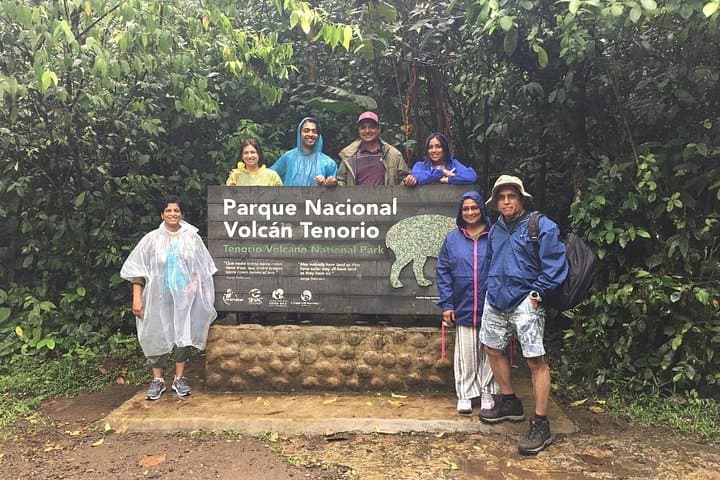
A day trip from San José brings you into Tenorio Volcano National Park to witness Rio Celeste’s surreal blue waters and nearby sloth habitat. This guide explains what to expect on the trails, the geology behind the color, and practical tips for a safe, low-impact visit.
A day trip from San José brings you into Tenorio Volcano National Park to witness Rio Celeste’s surreal blue waters and nearby sloth habitat. This guide explains what to expect on the trails, the geology behind the color, and practical tips for a safe, low-impact visit.
You step off the air-conditioned van into humid air threaded with the scent of wet leaf litter and fresh volcanic rock. The trail into Tenorio Volcano National Park climbs beneath a closed canopy; light filters through moss and ferns, and a narrow trail of roots and stone directs you toward a sound that gets louder — the waterfall’s rush. At the viewing platform, the river turns an improbable sky-blue, a color that seems to push at your eyes.
Verified experiences and guided adventures in the surrounding area.
Operated by AyE Tours Travel Costa Rica · Bijagua, Alajuela
You step off the air-conditioned van into humid air threaded with the scent of wet leaf litter and fresh volcanic rock. The trail into Tenorio Volcano National Park climbs beneath a closed canopy; light filters through moss and ferns, and a narrow trail of roots and stone directs you toward a sound that gets louder — the waterfall’s rush. At the viewing platform, the river turns an improbable sky-blue, a color that seems to push at your eyes.
Rio Celeste’s hue isn’t folklore alone; it’s a product of volcanic chemistry. Two clear streams meet and precipitate microscopic mineral particles that scatter blue light, and the river’s color has drawn visitors and scientists alike. The park protects cloud forest, lowland rainforest, and the slopes of Tenorio Volcano, a landscape shaped by recent volcanic flows and persistent geothermal springs.
Local guides pair natural history with cultural context: the region supports small farming communities around Bijagua and a growing ecotourism network emphasizing low-impact visits and wildlife viewing. Sloths, howler monkeys, and toucans are common sights along the route if you move slowly and keep noise low.
Practicalities: expect a full-day outing from San José (about 3–4 hours round-trip transfer on many tours), with roughly 3–4 km of hiking on uneven, often muddy paths and 100–300 m of elevation change. Wear grippy shoes, bring a light rain shell, and carry water and insect repellent. Early starts improve wildlife chances and reduce afternoon storms. The viewpoint is the highlight, but leave time for the nearby suspension bridges and short side trails — the river keeps daring you to look closer.
The main trail to the waterfall and viewpoints is roughly 3–4 km of walking on uneven terrain; expect moderate elevation changes and allow 1–2 hours for round-trip hiking within the park.
Swimming is prohibited in many parts of the park to protect the river’s unique chemistry and fragile habitats—follow posted rules and stay on marked areas.
Children can join but must be accompanied by an adult; trails include stairs and slippery sections, so assess mobility and bring appropriate carriers for infants.
Common sightings include two-toed and three-toed sloths, howler monkeys, toucans, and a variety of passerine birds—early morning increases chances of sightings.
AyE Tours Travel Costa Rica operates guided outdoor trips and adventures with an emphasis on safety, stewardship, and memorable experiences.
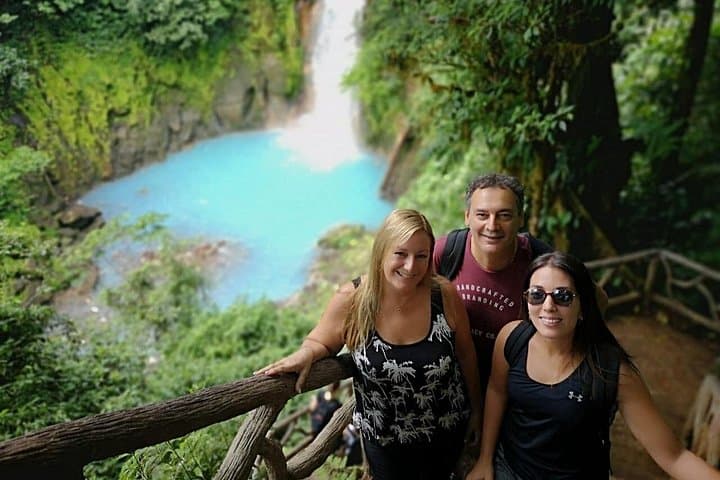
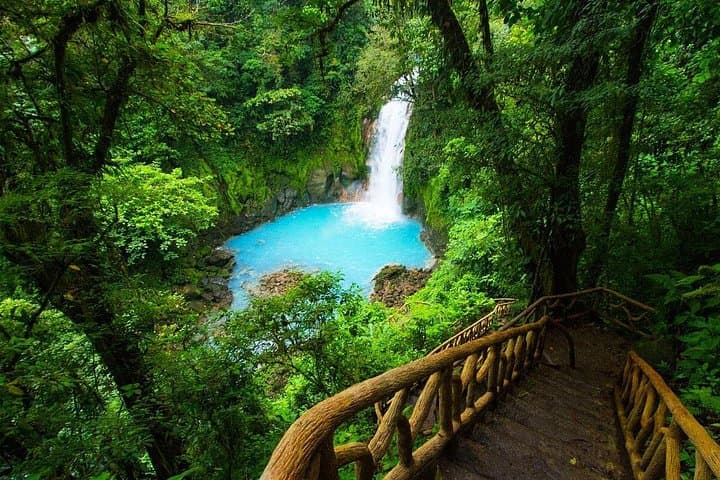
You step off the air-conditioned van into humid air threaded with the scent of wet leaf litter and fresh volcanic rock. The trail into Tenorio Volcano National Park climbs beneath a closed canopy; light filters through moss and ferns, and a narrow trail of roots and stone directs you toward a sound that gets louder — the waterfall’s rush. At the viewing platform, the river turns an improbable sky-blue, a color that seems to push at your eyes.
You step off the air-conditioned van into humid air threaded with the scent of wet leaf litter and fresh volcanic rock. The trail into Tenorio Volcano National Park climbs beneath a closed canopy; light filters through moss and ferns, and a narrow trail of roots and stone directs you toward a sound that gets louder — the waterfall’s rush. At the viewing platform, the river turns an improbable sky-blue, a color that seems to push at your eyes.
Rio Celeste’s hue isn’t folklore alone; it’s a product of volcanic chemistry. Two clear streams meet and precipitate microscopic mineral particles that scatter blue light, and the river’s color has drawn visitors and scientists alike. The park protects cloud forest, lowland rainforest, and the slopes of Tenorio Volcano, a landscape shaped by recent volcanic flows and persistent geothermal springs.
Local guides pair natural history with cultural context: the region supports small farming communities around Bijagua and a growing ecotourism network emphasizing low-impact visits and wildlife viewing. Sloths, howler monkeys, and toucans are common sights along the route if you move slowly and keep noise low.
Practicalities: expect a full-day outing from San José (about 3–4 hours round-trip transfer on many tours), with roughly 3–4 km of hiking on uneven, often muddy paths and 100–300 m of elevation change. Wear grippy shoes, bring a light rain shell, and carry water and insect repellent. Early starts improve wildlife chances and reduce afternoon storms. The viewpoint is the highlight, but leave time for the nearby suspension bridges and short side trails — the river keeps daring you to look closer.