THE ADVENTURE COLLECTIVE® · Independent discovery and booking for outdoor travel

Five days of guided hikes, short assisted climbs and cultural nights across Rio’s iconic landscapes—from Sugarloaf and Corcovado to Vidigal and Santa Teresa. This itinerary blends active trails in Tijuca National Park with immersive local experiences and live samba.
Five days of guided hikes, short assisted climbs and cultural nights across Rio’s iconic landscapes—from Sugarloaf and Corcovado to Vidigal and Santa Teresa. This itinerary blends active trails in Tijuca National Park with immersive local experiences and live samba.
You step off the van in Santa Teresa as a warm Atlantic breeze pushes up the bay, spray from Guanabara daring you toward the skyline of Sugarloaf and Corcovado.
Verified experiences and guided adventures in the surrounding area.
Operated by Rio World Connection · Rio de Janeiro, Rio de Janeiro
You step off the van in Santa Teresa as a warm Atlantic breeze pushes up the bay, spray from Guanabara daring you toward the skyline of Sugarloaf and Corcovado.
Over five days this program threads through pavement, rock slab and shaded Atlantic Forest—1.25 km along the Cláudio Coutinho trail, a 15‑m assisted climb on Sugarloaf’s Costão, the 704 m rise to Corcovado and options for longer ascents like the 842 m Pedra da Gávea. Geology here is granite and gneiss tossed up by ancient tectonics; rock faces hold lichen and the forest reclaims every crack.
History and culture are never far: Santa Teresa’s mansions and the Selarón Steps reflect colonial and immigrant layers, Little Africa and Lapa speak to the city’s Afro‑Brazilian roots and samba culture; the Tijuca National Park is a 19th-century reforestation success story that saved the watershed.
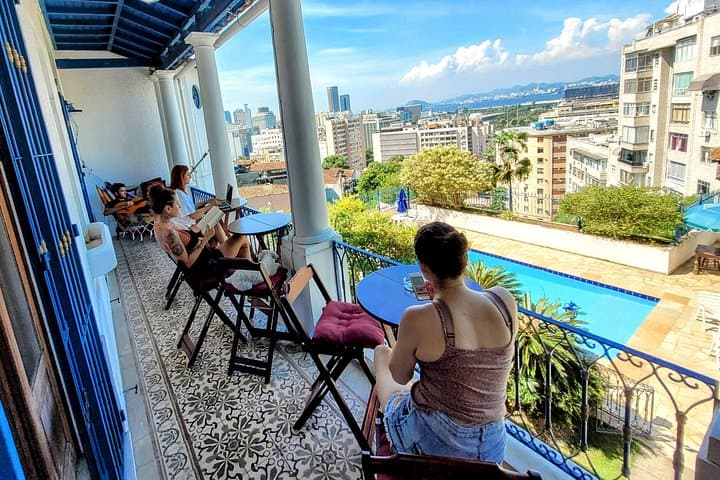
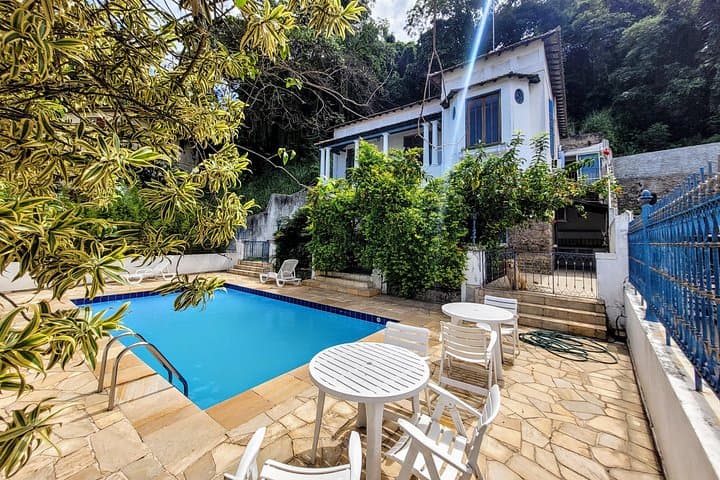
Practically, expect varied terrain—rock slabs, single-track through closed vegetation, short aided climbs requiring harness and guide supervision. Days combine active hiking with cultural stops (favela viewpoints, local restaurants, live samba nights). Travel light for trails, keep valuables secured in the city, and plan early starts to avoid midday heat and afternoon showers in summer. Guides supply climbing equipment, transport and most meals; accommodations are at the RWC hostel with a bay view. Bring sturdy, grippy footwear, water and sun protection and be prepared to trade city noise for bird calls and urban panoramas—the pulse of Rio is equal parts landscape and rhythm.
No advanced experience is required—the short 15 m assisted pitch is led by a certified guide and uses ropes and harnesses supplied by the operator.
Guided visits focus on community‑led viewpoints and restaurants; following your guide and avoiding wandering alone keeps the experience safe and respectful.
Moderate fitness: several half‑day hikes, some steep sections, and short assisted climbs; most activities are accessible to regular walkers in good health.
Yes—transportation, most meals (breakfast, lunch, dinner per itinerary), climbing equipment and many entrance fees are included as described in the package.
Rio World Connection operates guided outdoor trips and adventures with an emphasis on safety, stewardship, and memorable experiences.


You step off the van in Santa Teresa as a warm Atlantic breeze pushes up the bay, spray from Guanabara daring you toward the skyline of Sugarloaf and Corcovado.
You step off the van in Santa Teresa as a warm Atlantic breeze pushes up the bay, spray from Guanabara daring you toward the skyline of Sugarloaf and Corcovado.
Over five days this program threads through pavement, rock slab and shaded Atlantic Forest—1.25 km along the Cláudio Coutinho trail, a 15‑m assisted climb on Sugarloaf’s Costão, the 704 m rise to Corcovado and options for longer ascents like the 842 m Pedra da Gávea. Geology here is granite and gneiss tossed up by ancient tectonics; rock faces hold lichen and the forest reclaims every crack.
History and culture are never far: Santa Teresa’s mansions and the Selarón Steps reflect colonial and immigrant layers, Little Africa and Lapa speak to the city’s Afro‑Brazilian roots and samba culture; the Tijuca National Park is a 19th-century reforestation success story that saved the watershed.
Practically, expect varied terrain—rock slabs, single-track through closed vegetation, short aided climbs requiring harness and guide supervision. Days combine active hiking with cultural stops (favela viewpoints, local restaurants, live samba nights). Travel light for trails, keep valuables secured in the city, and plan early starts to avoid midday heat and afternoon showers in summer. Guides supply climbing equipment, transport and most meals; accommodations are at the RWC hostel with a bay view. Bring sturdy, grippy footwear, water and sun protection and be prepared to trade city noise for bird calls and urban panoramas—the pulse of Rio is equal parts landscape and rhythm.