THE ADVENTURE COLLECTIVE® · Independent discovery and booking for outdoor travel

A six-day expedition across Serra dos Órgãos and Três Picos that trades carnival crowds for granite ridges, waterfalls and high alpine panoramas. Expect steep ascents, technical scrambles and nights in mountain shelters and tents.
A six-day expedition across Serra dos Órgãos and Três Picos that trades carnival crowds for granite ridges, waterfalls and high alpine panoramas. Expect steep ascents, technical scrambles and nights in mountain shelters and tents.
You stand on the lip of a rock rampart, wind pushing at your jacket while a patchwork of coastal forest and distant Guanabara Bay unfurls below—this is Serra dos Órgãos and Três Picos, where granite teeth and rounded domes shape a raw skyline. Over six days the route moves from the dense Atlantic Forest up into alpine-like ridgelines, crossing the classic Petrópolis–Teresópolis traverse and then camping in the Valley of the Gods amid the Three Peaks.
Verified experiences and guided adventures in the surrounding area.
Operated by Nattrip - Tourism, Ecotourism and Adventure in Rio de Janeiro · Teresópolis, Rio de Janeiro
You stand on the lip of a rock rampart, wind pushing at your jacket while a patchwork of coastal forest and distant Guanabara Bay unfurls below—this is Serra dos Órgãos and Três Picos, where granite teeth and rounded domes shape a raw skyline. Over six days the route moves from the dense Atlantic Forest up into alpine-like ridgelines, crossing the classic Petrópolis–Teresópolis traverse and then camping in the Valley of the Gods amid the Three Peaks.
The range is geologically old: folded gneiss and granite eroded into steep escarpments and freestanding tors that climbers and hikers have long admired. Culturally, the area sits between Petrópolis—an imperial-era mountain retreat—and Teresópolis, whose mountain culture supports guides, shelters and traditional mountain cuisine. Waterfalls and spring lines give life to forest corridors; on clear days the ridges show views across Rio and even toward the Agulhas Negras massif.
Practically: expect sustained climbs—day one gains roughly 1,100 m over 8–9 km to Castelos do Açu, later days sit around 2,000 m with exposed scrambles and fixed steel ladders. Weather is changeable; afternoons in summer bring heavy showers. Guided support, shelters and base camp logistics cut the load, but participants must be fit and comfortable with multi-day packs, scrambling and occasional fixed-rope sections. Pack waterproof layers, a warm 0°C sleeping bag if camping, reliable boots and a daylight plan: start early, carry 2–3 L water capacity and practice Leave No Trace. The route rewards effort with high, panoramic stages that feel, at times, like a Brazilian answer to Yosemite—granite working the land into bold, uncompromising shapes.
No advanced rock-climbing certification is required, but you should be comfortable with exposed scrambling and assisted rope/ladders; guides provide safety gear for technical segments.
Dry months (roughly May–September) offer more stable weather and clearer views; summer (Dec–Feb) brings warmer temperatures but frequent afternoon rains.
Entrance fees and park permits apply for Serra dos Órgãos and Três Picos—these are typically handled by the operator as part of expedition logistics.
Days range from 5–14 km with climbs up to ~1,100 m on the hardest day; expect long, sustained effort and uneven, technical terrain.
Nattrip - Tourism, Ecotourism and Adventure in Rio de Janeiro operates guided outdoor trips and adventures with an emphasis on safety, stewardship, and memorable experiences.
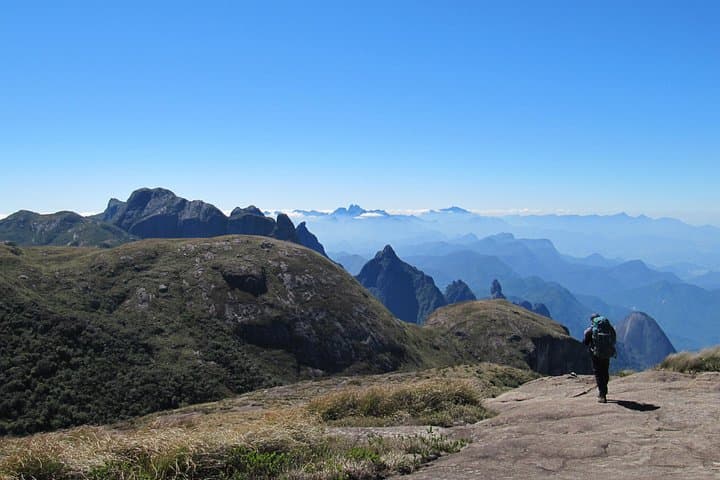

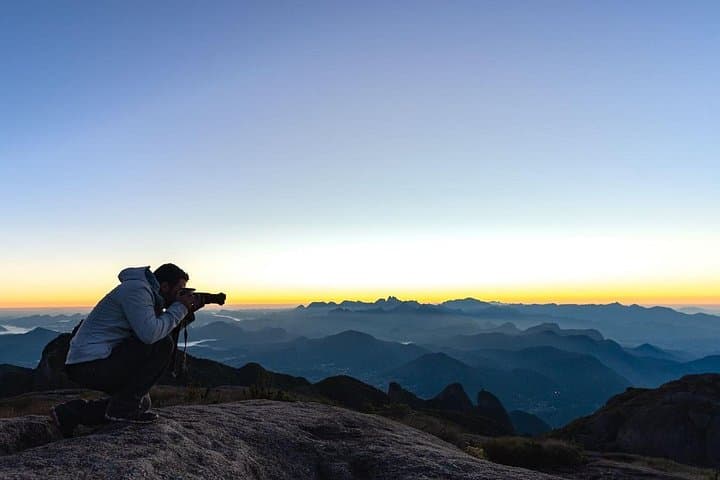

You stand on the lip of a rock rampart, wind pushing at your jacket while a patchwork of coastal forest and distant Guanabara Bay unfurls below—this is Serra dos Órgãos and Três Picos, where granite teeth and rounded domes shape a raw skyline. Over six days the route moves from the dense Atlantic Forest up into alpine-like ridgelines, crossing the classic Petrópolis–Teresópolis traverse and then camping in the Valley of the Gods amid the Three Peaks.
You stand on the lip of a rock rampart, wind pushing at your jacket while a patchwork of coastal forest and distant Guanabara Bay unfurls below—this is Serra dos Órgãos and Três Picos, where granite teeth and rounded domes shape a raw skyline. Over six days the route moves from the dense Atlantic Forest up into alpine-like ridgelines, crossing the classic Petrópolis–Teresópolis traverse and then camping in the Valley of the Gods amid the Three Peaks.
The range is geologically old: folded gneiss and granite eroded into steep escarpments and freestanding tors that climbers and hikers have long admired. Culturally, the area sits between Petrópolis—an imperial-era mountain retreat—and Teresópolis, whose mountain culture supports guides, shelters and traditional mountain cuisine. Waterfalls and spring lines give life to forest corridors; on clear days the ridges show views across Rio and even toward the Agulhas Negras massif.
Practically: expect sustained climbs—day one gains roughly 1,100 m over 8–9 km to Castelos do Açu, later days sit around 2,000 m with exposed scrambles and fixed steel ladders. Weather is changeable; afternoons in summer bring heavy showers. Guided support, shelters and base camp logistics cut the load, but participants must be fit and comfortable with multi-day packs, scrambling and occasional fixed-rope sections. Pack waterproof layers, a warm 0°C sleeping bag if camping, reliable boots and a daylight plan: start early, carry 2–3 L water capacity and practice Leave No Trace. The route rewards effort with high, panoramic stages that feel, at times, like a Brazilian answer to Yosemite—granite working the land into bold, uncompromising shapes.