THE ADVENTURE COLLECTIVE® · Independent discovery and booking for outdoor travel

A short, accessible park visit from Bonito, Rio Formoso Ecological Park delivers clear-water lagoons, shaded riparian trails, and easy wildlife viewing. Ideal for a 1–3 hour stop, the Lagoa Formosa walk is a practical introduction to Bonito’s conservation-led tourism.
A short, accessible park visit from Bonito, Rio Formoso Ecological Park delivers clear-water lagoons, shaded riparian trails, and easy wildlife viewing. Ideal for a 1–3 hour stop, the Lagoa Formosa walk is a practical introduction to Bonito’s conservation-led tourism.
A low river hum and the scratch of dry leaves set the pace as you step into Rio Formoso Ecological Park, a short drive from Bonito’s small town center. The trail threads along riparian forest and opens to Lagoa Formosa, where clear water reflects a sky the Pantanal envies and fish move like punctuation beneath the surface.
Verified experiences and guided adventures in the surrounding area.
Operated by Parque Ecológico Rio Formoso - Bonito MS · Bonito, Mato Grosso do Sul
A low river hum and the scratch of dry leaves set the pace as you step into Rio Formoso Ecological Park, a short drive from Bonito’s small town center. The trail threads along riparian forest and opens to Lagoa Formosa, where clear water reflects a sky the Pantanal envies and fish move like punctuation beneath the surface.
The park protects a stretch of the Rio Formoso watershed—part of Bonito’s broader conservation story that pivoted in the 1980s from extractive use to eco-tourism. Geologically, the area is karstic: limestone and dolomite create clear springs and slow, mirror-like lagoons. Culturally, local guides blend scientific interpretation with regional folklore about river guardians and traditional uses of the forest.
Expect compact walking trails, shaded viewpoints, and easy boardwalks that bring you close to birds, capybaras, and the shallow edges where freshwater fish congregate. The park’s layout favors short visits—many travelers spend 1–3 hours exploring Lagoa Formosa and adjacent stands of cerrado-influenced woodland.
Practical guidance: arrive with sun protection and a refillable water bottle, and plan for changing weather—summer brings sporadic downpours while the dry months have cooler mornings. Photography is best in the softer light of morning or late afternoon. Respect marked paths to protect fragile spring sources and keep noise low to increase wildlife sightings.
Whether you cycle in from town or drive the seven paved kilometers, Rio Formoso offers a compact, accessible dose of Bonito’s signature clear-water ecology and a tidy introduction to the region’s conservation-first approach.
Reservations are recommended during high season and weekends; tickets on the product page confirm admission and optional activities.
This ticket covers park admission only; Bonito offers shared transfers or you can use private car, bike, or taxi—parking is available.
Yes—trails are stroller-accessible in parts and the park is family-friendly; bring appropriate child seats if traveling by car.
Bring binoculars, a quiet attitude, and patience—early morning or late afternoon improves sightings and lighting for photography.
Parque Ecológico Rio Formoso - Bonito MS operates guided outdoor trips and adventures with an emphasis on safety, stewardship, and memorable experiences.
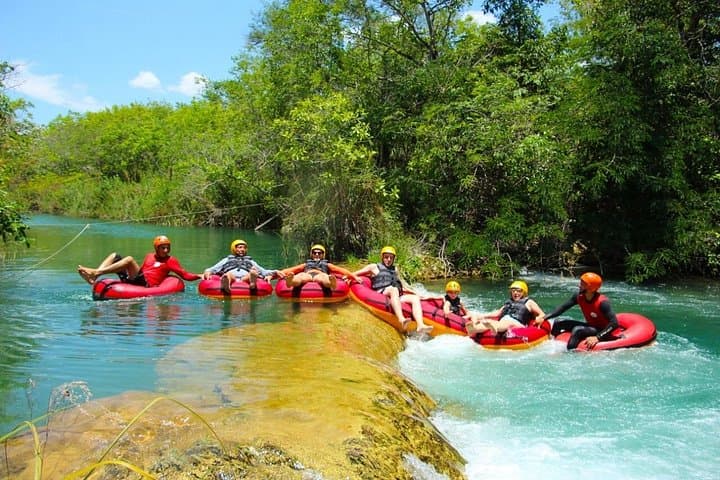
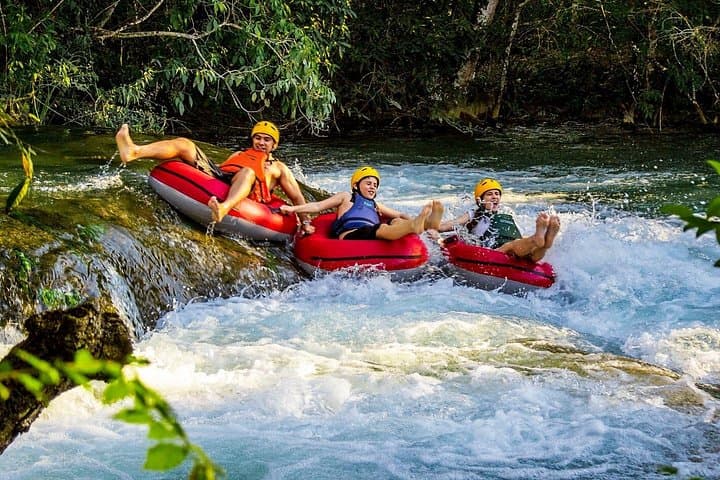


A low river hum and the scratch of dry leaves set the pace as you step into Rio Formoso Ecological Park, a short drive from Bonito’s small town center. The trail threads along riparian forest and opens to Lagoa Formosa, where clear water reflects a sky the Pantanal envies and fish move like punctuation beneath the surface.
A low river hum and the scratch of dry leaves set the pace as you step into Rio Formoso Ecological Park, a short drive from Bonito’s small town center. The trail threads along riparian forest and opens to Lagoa Formosa, where clear water reflects a sky the Pantanal envies and fish move like punctuation beneath the surface.
The park protects a stretch of the Rio Formoso watershed—part of Bonito’s broader conservation story that pivoted in the 1980s from extractive use to eco-tourism. Geologically, the area is karstic: limestone and dolomite create clear springs and slow, mirror-like lagoons. Culturally, local guides blend scientific interpretation with regional folklore about river guardians and traditional uses of the forest.
Expect compact walking trails, shaded viewpoints, and easy boardwalks that bring you close to birds, capybaras, and the shallow edges where freshwater fish congregate. The park’s layout favors short visits—many travelers spend 1–3 hours exploring Lagoa Formosa and adjacent stands of cerrado-influenced woodland.
Practical guidance: arrive with sun protection and a refillable water bottle, and plan for changing weather—summer brings sporadic downpours while the dry months have cooler mornings. Photography is best in the softer light of morning or late afternoon. Respect marked paths to protect fragile spring sources and keep noise low to increase wildlife sightings.
Whether you cycle in from town or drive the seven paved kilometers, Rio Formoso offers a compact, accessible dose of Bonito’s signature clear-water ecology and a tidy introduction to the region’s conservation-first approach.