THE ADVENTURE COLLECTIVE® · Independent discovery and booking for outdoor travel

See Rio’s most famous landmarks from above on a 20–25 minute helicopter flight. Glide over Christ the Redeemer, Sugarloaf and Copacabana while pilots narrate the geology and history below.
See Rio’s most famous landmarks from above on a 20–25 minute helicopter flight. Glide over Christ the Redeemer, Sugarloaf and Copacabana while pilots narrate the geology and history below.
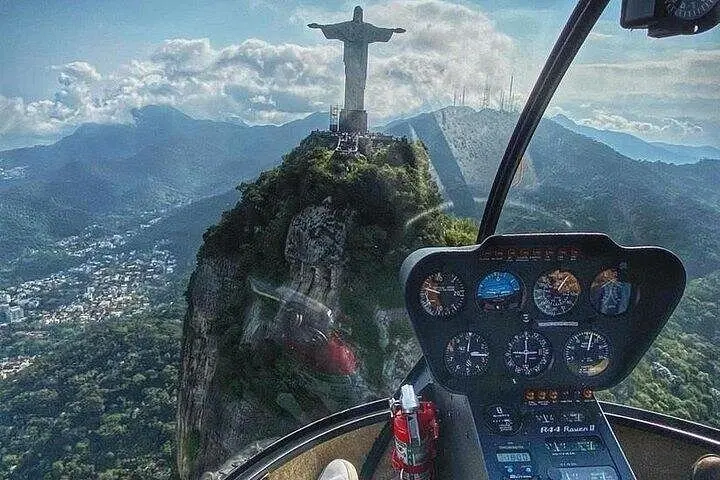
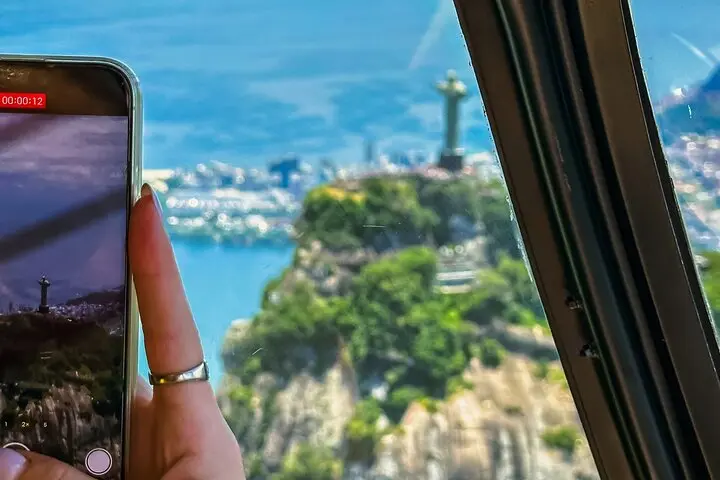
The helicopter lifts off and the city rearranges itself beneath you: a fan of beaches, a crown of granite peaks and the white arms of Christ the Redeemer watching over it all. In twenty-five minutes you’ll cross Guanabara Bay, sweep over Copacabana and Ipanema’s ribbon of sand, and curve toward the rounded shoulder of Sugarloaf Mountain, each landmark growing and shrinking with the rotor’s pulse.
Verified experiences and guided adventures in the surrounding area.
Operated by Helicopter Rio · Rio de Janeiro, Rio de Janeiro
The helicopter lifts off and the city rearranges itself beneath you: a fan of beaches, a crown of granite peaks and the white arms of Christ the Redeemer watching over it all. In twenty-five minutes you’ll cross Guanabara Bay, sweep over Copacabana and Ipanema’s ribbon of sand, and curve toward the rounded shoulder of Sugarloaf Mountain, each landmark growing and shrinking with the rotor’s pulse.
Rio’s skyline is a study in geology and human drama — Sugarloaf’s granite towers sliced by ancient tectonics, Corcovado’s statue set atop the Tijuca massif, and beaches formed from rivers carrying coastal sand to the Atlantic. The statue itself, completed in 1931, is a cultural icon and a frequent pivot point for aerial tours that show how city, forest and ocean meet in a single frame.
From the air you’ll glimpse favela rooftops, planned avenues like Avenida das Américas, and the green lung of Tijuca National Park where reforestation in the 19th century rebuilt a native forest. Pilots narrate to orient you, but plan extra time on the ground to absorb the view afterwards at a seaside café.
Practical notes: flights are weather-dependent and can be canceled at short notice; weight limits and shared-seat draws are standard — confirm requirements when booking. Bring a securely strapped camera, sunglasses and a light wind shell; wear flat shoes to board safely. Expect security checks, a short safety briefing and headset-provided comms. For best light, schedule morning or late-afternoon flights; midday can be hazy. This is a high-impact, low-effort way to see Rio’s defining contrasts in under half an hour.
The flight lasts 20–25 minutes and typically passes over Guanabara Bay, Sugarloaf Mountain, Christ the Redeemer, Copacabana and Ipanema beaches, plus aerial views of Tijuca Forest.
Flights are canceled for poor visibility, rain or high winds; operators offer full refunds if canceled 24+ hours prior or rebooking/cancellation per policy.
Yes—infants must sit on an adult’s lap and stroller access is noted; check operator age and weight rules during booking.
Handheld cameras are allowed with straps; drones are prohibited during the tour and professional camera setups should be cleared with the operator ahead of time.
Helicopter Rio operates guided outdoor trips and adventures with an emphasis on safety, stewardship, and memorable experiences.


The helicopter lifts off and the city rearranges itself beneath you: a fan of beaches, a crown of granite peaks and the white arms of Christ the Redeemer watching over it all. In twenty-five minutes you’ll cross Guanabara Bay, sweep over Copacabana and Ipanema’s ribbon of sand, and curve toward the rounded shoulder of Sugarloaf Mountain, each landmark growing and shrinking with the rotor’s pulse.
The helicopter lifts off and the city rearranges itself beneath you: a fan of beaches, a crown of granite peaks and the white arms of Christ the Redeemer watching over it all. In twenty-five minutes you’ll cross Guanabara Bay, sweep over Copacabana and Ipanema’s ribbon of sand, and curve toward the rounded shoulder of Sugarloaf Mountain, each landmark growing and shrinking with the rotor’s pulse.
Rio’s skyline is a study in geology and human drama — Sugarloaf’s granite towers sliced by ancient tectonics, Corcovado’s statue set atop the Tijuca massif, and beaches formed from rivers carrying coastal sand to the Atlantic. The statue itself, completed in 1931, is a cultural icon and a frequent pivot point for aerial tours that show how city, forest and ocean meet in a single frame.
From the air you’ll glimpse favela rooftops, planned avenues like Avenida das Américas, and the green lung of Tijuca National Park where reforestation in the 19th century rebuilt a native forest. Pilots narrate to orient you, but plan extra time on the ground to absorb the view afterwards at a seaside café.
Practical notes: flights are weather-dependent and can be canceled at short notice; weight limits and shared-seat draws are standard — confirm requirements when booking. Bring a securely strapped camera, sunglasses and a light wind shell; wear flat shoes to board safely. Expect security checks, a short safety briefing and headset-provided comms. For best light, schedule morning or late-afternoon flights; midday can be hazy. This is a high-impact, low-effort way to see Rio’s defining contrasts in under half an hour.