THE ADVENTURE COLLECTIVE® · Independent discovery and booking for outdoor travel

A one-hour sensory ritual staged in Vic as part of "Instruments de l’ànima," Riutals del viure blends breath, voice and movement into practical practices you can use on hikes or in daily life. It’s a low-impact, place-focused experience that asks you to participate rather than observe.
A one-hour sensory ritual staged in Vic as part of "Instruments de l’ànima," Riutals del viure blends breath, voice and movement into practical practices you can use on hikes or in daily life. It’s a low-impact, place-focused experience that asks you to participate rather than observe.
Book with Museu Episcopal de Vic
Verified experiences and guided adventures in the surrounding area.
Operated by Museu Episcopal de Vic · Vic, Catalunya
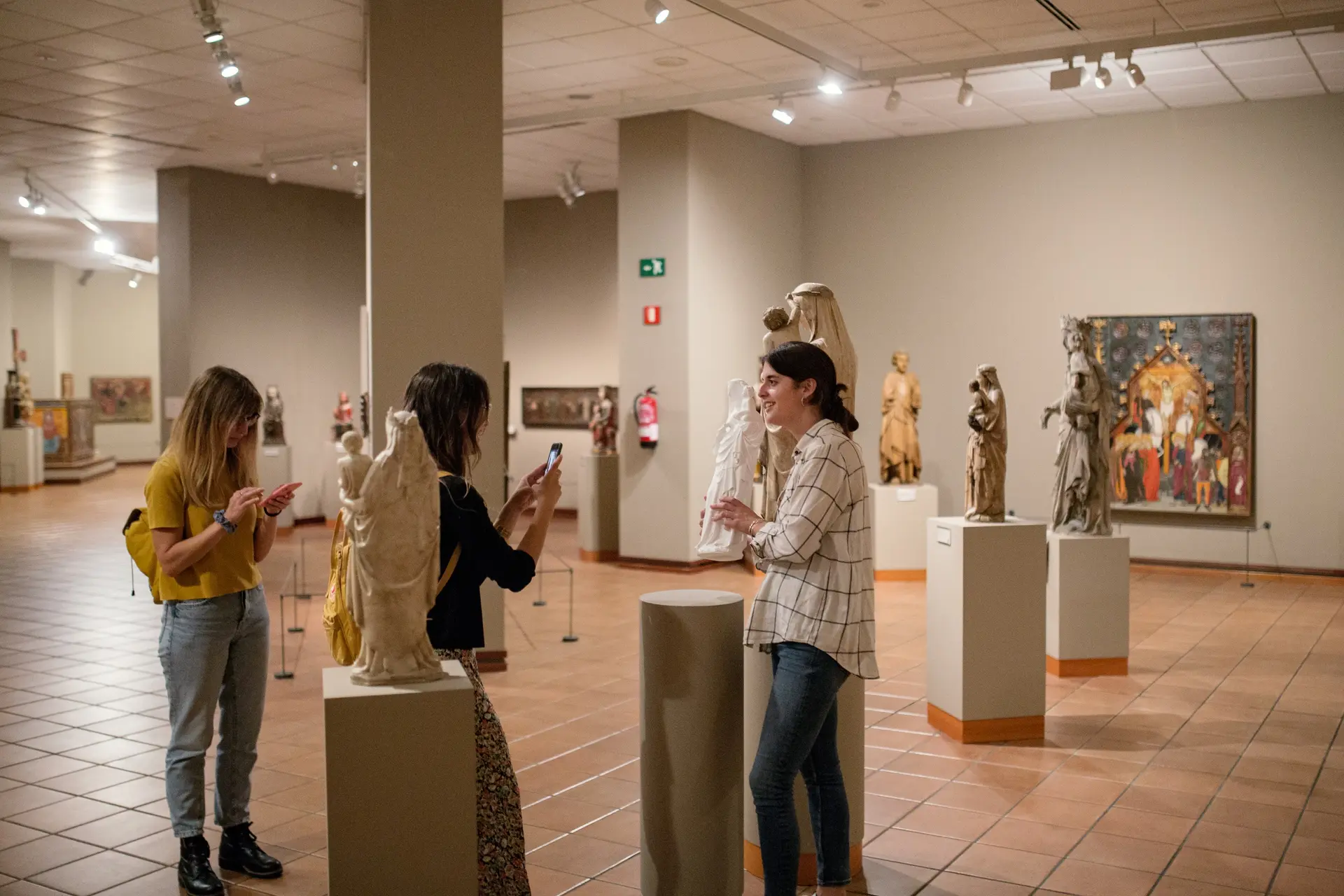
Riutals del viure invites visitors into a short, concentrated sensory ritual in Vic, Catalunya, Spain, presented in the frame of the exhibition "Instruments de l’ànima" and organized by L'Estrangera. The experience unfolds as an embodied workshop where movement, breath, voice, gaze and silence are treated as tools for rewilding attention and reconnecting a personal self with a communal pulse. Set inside a museum or gallery space, the scene centers on a cleared performance circle, simple ritual objects—wood, stone, dried herbs—and the human body as instrument.
Unlike a lecture or a passive tour, this session asks you to participate: to shift posture, to follow guided breathing, to allow sound to move through you, and to hold attention in silence. Key features are the deliberate use of voice (chanting, intonation), guided breath sequences, a ring of participants facing inward, and pauses long enough to notice ambient textures—the scrape of a pebble, the hush of a gallery heater, the light filtering across stone floors. Those elements create a sensory map that ties local materiality to wider animist and shamanic practices.
Vic itself sits on a fertile inland plain near the foothills of the Pre-Pyrenees, where oak groves and cultivated fields frame historic streets. The setting matters: the exhibition reflects Catalan interest in craft, ritual and material encounters with the natural world. Expect to come away with small practical practices—breathing anchors, attention exercises, and vocal warm-ups—that can be used outdoors among holm oaks or on a nearby trail.
Practical details are simple: the session lasts roughly one hour, requires no special equipment, and welcomes anyone curious about embodied practice. Wear comfortable layers and quiet shoes; the floor may be stone. The organizers connect contemporary performance with older spiritual forms without claiming religious authority, presenting a comparative, reflective approach to animist and shamanic traditions.
This is a quietly radical offering for travellers who want to slow down inside a packed travel schedule: it’s local, low-impact, and tuned to place. Afterward, stroll Vic’s historic center to see how ordinary urban life and deeper ritual currents coexist. Riutals del viure turns a short visit into a practical experiment in attention—an accessible, low-tech gateway to thinking about how movement, voice and silence shape the way we live in landscape and community.
Participants often report unexpected practical benefits: clearer focus while hiking, calmer breathing on exposed mountain ridges, and a keener ear for birdcalls and wind through pine needles. The facilitators guide you to small, repeatable gestures you can carry outside—simple vocal drones to steady panic, breath counts to settle a racing heart, and soft movement sequences that loosen shoulders stiff from travel. Even if you come skeptically, the compact, practice-first format leaves tools you can use on hikes.
No. The session is presented in a comparative, non-dogmatic way and is accessible to beginners and experienced practitioners alike.
The session runs about one hour; allow extra time before and after to arrive, settle, and reflect.
Age limits are not specified; if bringing a minor, contact the organizers in advance to confirm appropriateness.
No special gear is required beyond comfortable clothing and quiet shoes; a small water bottle is recommended.
Participants may use voice in guided, controlled ways—chants and tonal exercises—designed to support attention rather than loud performance.
The offering explores animist and shamanic traditions in a reflective and comparative manner and does not promote a specific religious practice.
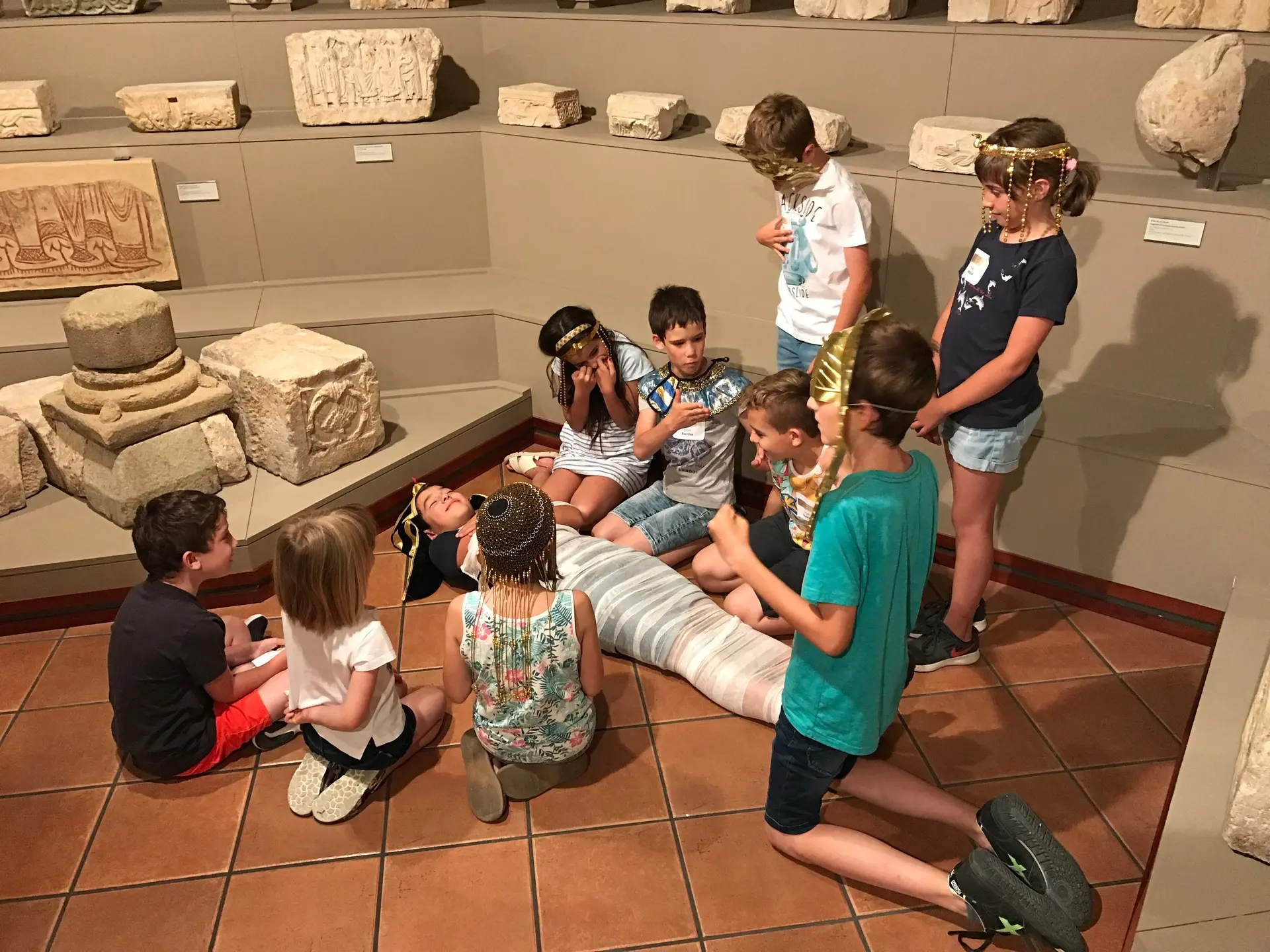
Museu Episcopal de Vic preserves and exhibits one of Catalonia’s most important collections of medieval art, with a particular focus on Romanesque and Gothic painting and decorative arts. Located in Vic, Catalunya, the museum presents altarpieces, retables, sculptures, and religious objects that illustrate medieval artistic techniques and regional identity. The MEV offers a range of visitor options including general admission, guided tours, family-oriented workshops, and an annual membership that provides unlimited access for a year. Exhibitions are displayed alongside interpretive labels and digital resources that help contextualize works of art and make medieval material culture accessible to diverse audiences. Guided experiences include themed tours such as studies of animals in medieval imagery, daily life in the Middle Ages, and masterworks of Catalan art. Family programs use storytelling, observation, and interactive activities to engage children aged 5–12, while specialty sessions explore topics such as ancient Egypt within a museum setting. The museum operates with professional curatorial staff and educational personnel who design programs for schools, families, and adult visitors. Conservation and presentation follow museum standards to preserve fragile works and communicate their historical significance. As a public cultural institution in Vic, the Museu Episcopal de Vic serves both residents and visitors seeking to explore Catalonia’s medieval heritage through original objects, careful interpretation, and hands-on learning opportunities. The Museu Episcopal de Vic integrates innovative digital experiences and multimedia displays that complement physical objects. Information is presented clearly to support research, school visits, tourist exploration, and independent study of medieval art and preservation.
Book with Museu Episcopal de Vic