THE ADVENTURE COLLECTIVE® · Independent discovery and booking for outdoor travel

A full-day tour from La Fortuna that pairs the surreal turquoise of Río Celeste with rainforest wildlife viewing and a visit to artisanal coffee and chocolate farms. Expect volcanic scenery, easy-to-moderate trails, and dedicated wildlife reserves focused on sloth observation.
A full-day tour from La Fortuna that pairs the surreal turquoise of Río Celeste with rainforest wildlife viewing and a visit to artisanal coffee and chocolate farms. Expect volcanic scenery, easy-to-moderate trails, and dedicated wildlife reserves focused on sloth observation.
You step off the van and the forest presses close—humid leaves brush your arms, birds chatter above, and somewhere ahead the river dares you with a color that looks almost unreal. Río Celeste threads through volcanic slopes in an impossible turquoise, a liquid that seems to glow against the dark rainforest.
Verified experiences and guided adventures in the surrounding area.
Operated by Sloth Land CR · Bijagua, Alajuela
You step off the van and the forest presses close—humid leaves brush your arms, birds chatter above, and somewhere ahead the river dares you with a color that looks almost unreal. Río Celeste threads through volcanic slopes in an impossible turquoise, a liquid that seems to glow against the dark rainforest.
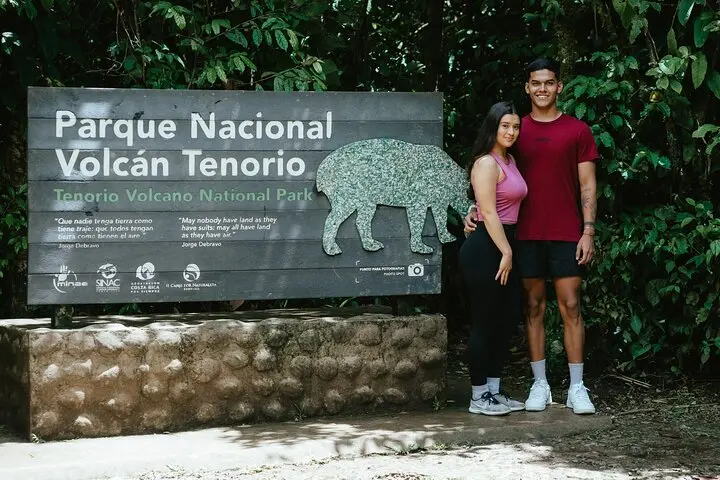
The color comes from chemistry as much as from beauty: volcanic minerals and suspended colloids meet sunlight in a mixing cascade below Tenorio’s slopes. The park sits on old lava and pumice deposits; steam vents and heated springs are part of the story, though the crater itself is not open to hikers. Human history here is modest — rural communities around Bijagua have long harvested coffee and cacao, and today small farms keep artisanal production alive.
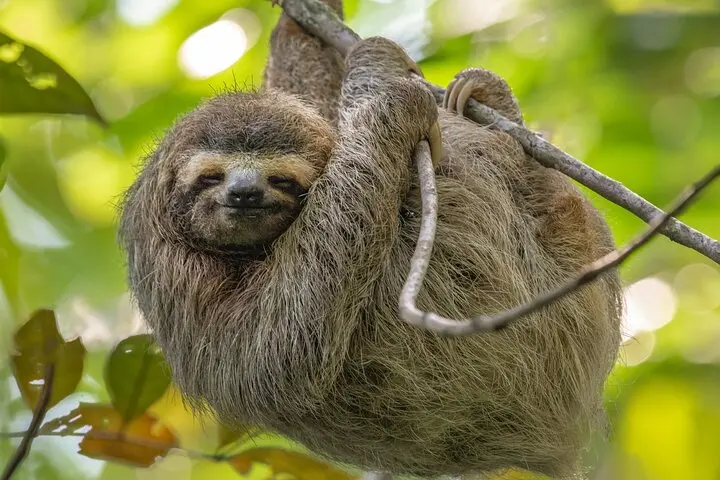
Wildlife is abundant: slow-moving three-toed sloths hang in the canopy of private reserves alongside toucans and howler monkeys. Local guides know where to find them, and small on-site sanctuaries focus on observation rather than handling.
Practical guidance: this is a full-day excursion (expect about 10–11 hours door-to-door on most departures). Trails in Tenorio National Park range from packed dirt to root-strewn singletrack; plan for 3–5 km of walking in the park with modest climbs and potentially muddy sections. Bring sturdy, waterproof footwear, a rain shell, at least 2 liters of water, and insect repellent. Mornings often mean clearer light for photos and better wildlife activity; afternoons bring showers during the wet season. Respect marked trails and wildlife viewing distances — the experience is best when the forest stays healthy and wild.
The tour is moderate: expect multiple short hikes and uneven terrain totaling a few kilometers; participants should have basic mobility and stamina for an all-day outing.
Sloths are commonly seen in the private reserve included on the tour, but sightings depend on timing and animal movement; guides increase the odds by visiting known feeding trees.
Swimming in Río Celeste is generally prohibited within the national park to protect the site and for safety; designated swimming spots are outside protected zones and only allowed where explicitly permitted.
Bring cash for small purchases, comfortable shoes for short walks on the plantation, and a sun hat — the farm visit is informal and often includes tastings and a short demonstration.
Sloth Land CR operates guided outdoor trips and adventures with an emphasis on safety, stewardship, and memorable experiences.
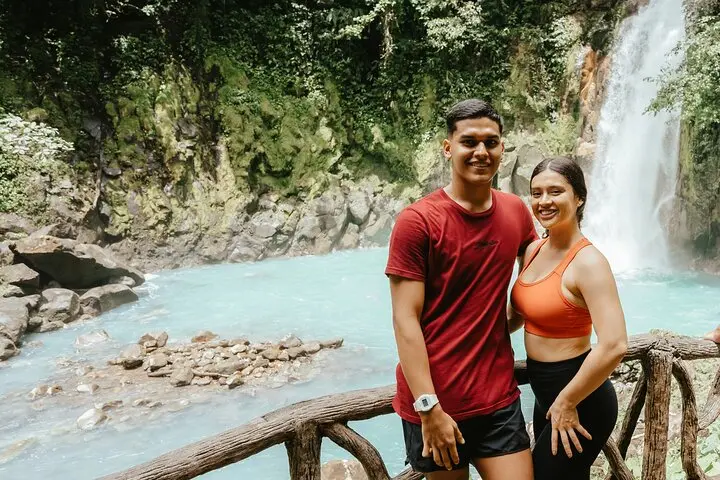
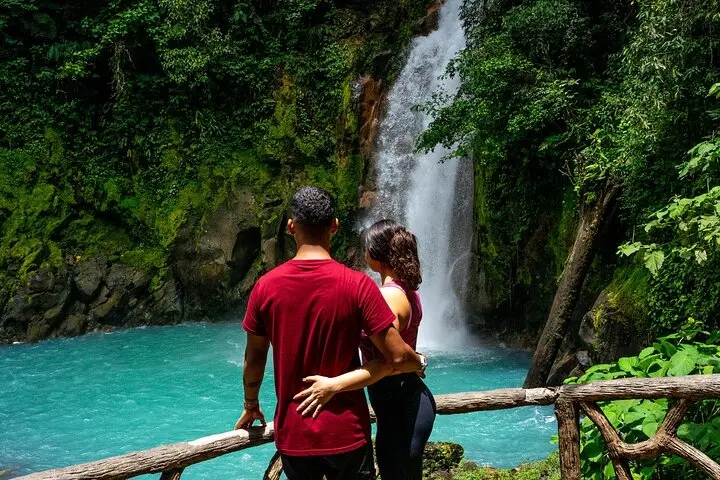
You step off the van and the forest presses close—humid leaves brush your arms, birds chatter above, and somewhere ahead the river dares you with a color that looks almost unreal. Río Celeste threads through volcanic slopes in an impossible turquoise, a liquid that seems to glow against the dark rainforest.
You step off the van and the forest presses close—humid leaves brush your arms, birds chatter above, and somewhere ahead the river dares you with a color that looks almost unreal. Río Celeste threads through volcanic slopes in an impossible turquoise, a liquid that seems to glow against the dark rainforest.
The color comes from chemistry as much as from beauty: volcanic minerals and suspended colloids meet sunlight in a mixing cascade below Tenorio’s slopes. The park sits on old lava and pumice deposits; steam vents and heated springs are part of the story, though the crater itself is not open to hikers. Human history here is modest — rural communities around Bijagua have long harvested coffee and cacao, and today small farms keep artisanal production alive.
Wildlife is abundant: slow-moving three-toed sloths hang in the canopy of private reserves alongside toucans and howler monkeys. Local guides know where to find them, and small on-site sanctuaries focus on observation rather than handling.
Practical guidance: this is a full-day excursion (expect about 10–11 hours door-to-door on most departures). Trails in Tenorio National Park range from packed dirt to root-strewn singletrack; plan for 3–5 km of walking in the park with modest climbs and potentially muddy sections. Bring sturdy, waterproof footwear, a rain shell, at least 2 liters of water, and insect repellent. Mornings often mean clearer light for photos and better wildlife activity; afternoons bring showers during the wet season. Respect marked trails and wildlife viewing distances — the experience is best when the forest stays healthy and wild.