THE ADVENTURE COLLECTIVE® · Independent discovery and booking for outdoor travel

Float past Tower Bridge and step aboard HMS Belfast for a two‑hour river cruise and museum visit that layers WWII naval history over London’s changing riverscape. This guided tour pairs upper‑deck views with hands‑on exhibits across nine decks.
Float past Tower Bridge and step aboard HMS Belfast for a two‑hour river cruise and museum visit that layers WWII naval history over London’s changing riverscape. This guided tour pairs upper‑deck views with hands‑on exhibits across nine decks.
You step onto the open upper deck as the Thames pulls you past the Tower of London and the hulking form of HMS Belfast resolves into view — steel plates, gun turrets and a crow's-nest silhouette against the city. The river smells faintly of brine and diesel; the tide nudges the hull and the boat offers a front-row view of London’s layered riverside architecture.
Verified experiences and guided adventures in the surrounding area.
Operated by Chemy’s tours · London, England
You step onto the open upper deck as the Thames pulls you past the Tower of London and the hulking form of HMS Belfast resolves into view — steel plates, gun turrets and a crow's-nest silhouette against the city. The river smells faintly of brine and diesel; the tide nudges the hull and the boat offers a front-row view of London’s layered riverside architecture.
HMS Belfast is a Town-class light cruiser launched in 1938 and now part of the Imperial War Museums. Her decks tell a practical story of 20th‑century naval life: engine and boiler rooms, gun turrets, the bridge and the mess, all preserved to show wartime and Cold War operations. The Thames itself is a tidal river flowing over London clay and alluvial flats, which shaped the city’s docks and trade for centuries and still dictates the rhythm of river traffic here.
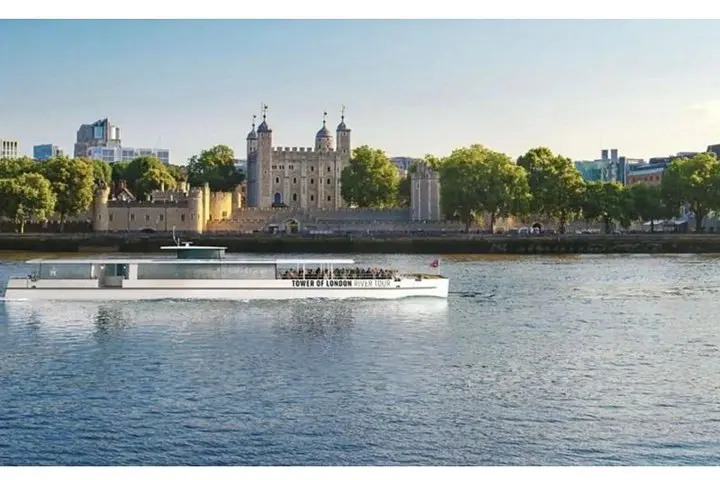
Along the route you’ll pass the medieval Tower, the Victorian warehouses of St. Katharine Docks and modern glass towers that signal London’s continuous reinvention. Guides add context with operational detail and local anecdotes, making the history immediate rather than academic.
Practical guidance: tours run about two hours and combine a riverside cruise with time to explore the ship’s nine decks. Expect steps and narrow ladders aboard Belfast; wear sturdy shoes and layers for changing wind and river spray. Arrive early for boarding, bring a charged camera and check tide and weather for the clearest views.
The combined river cruise and HMS Belfast visit is about 120–125 minutes; allow extra time for queuing and boardings.
Some decks and exhibits are accessible, but many areas include narrow stairs and ladders; check the museum’s accessibility guidance before booking.
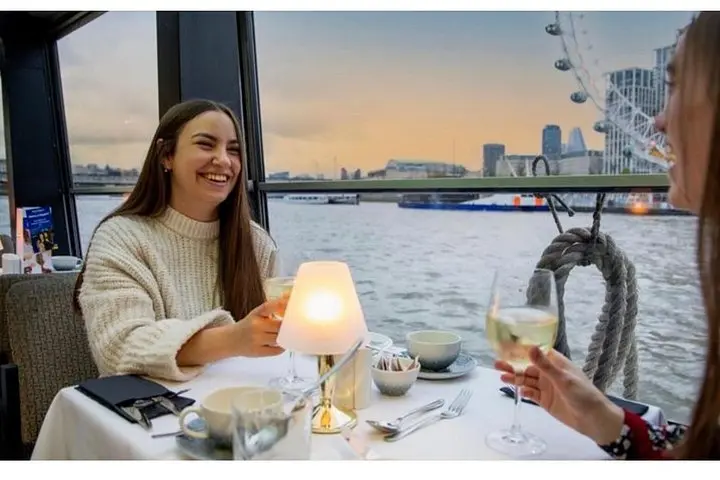
This tour mentions brunch and on‑board bar service for the cruise; verify current offerings and whether museum entry includes refreshments.
The Thames is tidal and weather can change; the cruise operates in most conditions but extreme weather may alter schedules — confirm with the operator close to your departure time.
Chemy’s tours operates guided outdoor trips and adventures with an emphasis on safety, stewardship, and memorable experiences.
You step onto the open upper deck as the Thames pulls you past the Tower of London and the hulking form of HMS Belfast resolves into view — steel plates, gun turrets and a crow's-nest silhouette against the city. The river smells faintly of brine and diesel; the tide nudges the hull and the boat offers a front-row view of London’s layered riverside architecture.
You step onto the open upper deck as the Thames pulls you past the Tower of London and the hulking form of HMS Belfast resolves into view — steel plates, gun turrets and a crow's-nest silhouette against the city. The river smells faintly of brine and diesel; the tide nudges the hull and the boat offers a front-row view of London’s layered riverside architecture.
HMS Belfast is a Town-class light cruiser launched in 1938 and now part of the Imperial War Museums. Her decks tell a practical story of 20th‑century naval life: engine and boiler rooms, gun turrets, the bridge and the mess, all preserved to show wartime and Cold War operations. The Thames itself is a tidal river flowing over London clay and alluvial flats, which shaped the city’s docks and trade for centuries and still dictates the rhythm of river traffic here.
Along the route you’ll pass the medieval Tower, the Victorian warehouses of St. Katharine Docks and modern glass towers that signal London’s continuous reinvention. Guides add context with operational detail and local anecdotes, making the history immediate rather than academic.
Practical guidance: tours run about two hours and combine a riverside cruise with time to explore the ship’s nine decks. Expect steps and narrow ladders aboard Belfast; wear sturdy shoes and layers for changing wind and river spray. Arrive early for boarding, bring a charged camera and check tide and weather for the clearest views.