THE ADVENTURE COLLECTIVE® · Independent discovery and booking for outdoor travel

Spend a day moving from jungle-cooled waterfalls to a world-famous wartime bridge. This guided trip pairs accessible short walks with historical sites that demand reflection.
Spend a day moving from jungle-cooled waterfalls to a world-famous wartime bridge. This guided trip pairs accessible short walks with historical sites that demand reflection.
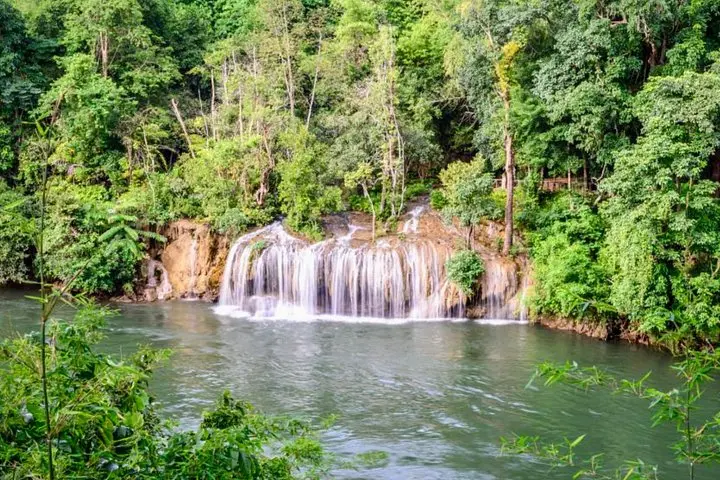
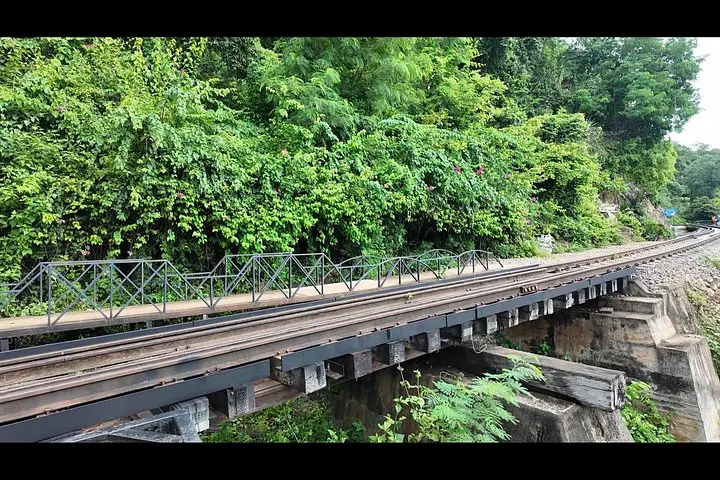
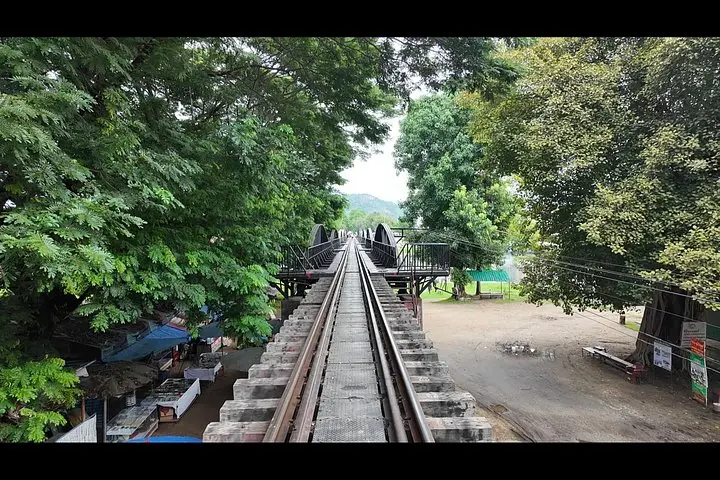
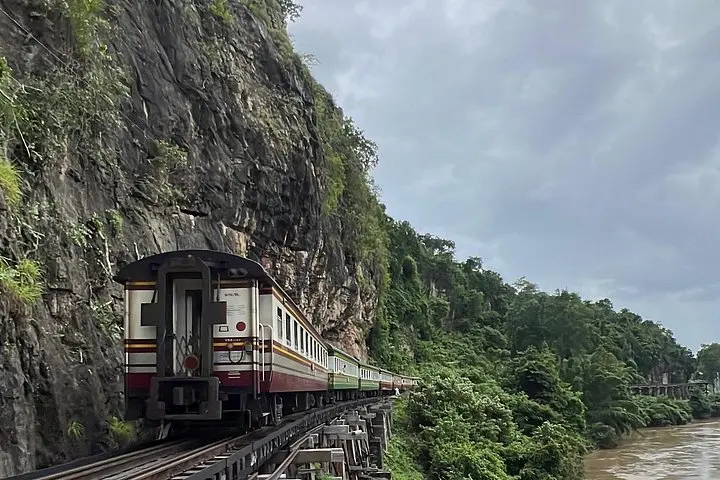
Morning light softens the River Kwai as the coach slips out of Bangkok and into a landscape of low karst ridges and floodplain rice fields. The day unfolds in measured stages: a cooling break at Sai Yok Noi Waterfall, a stoic stop at Krasae Cave and the Death Railway, a walk across the famous wooden-planked River Kwai Bridge, then a quiet moment at Kanchanaburi War Cemetery.
Verified experiences and guided adventures in the surrounding area.
Operated by Joyful Tours Thailand · Kanchanaburi, Kanchanaburi Province
Morning light softens the River Kwai as the coach slips out of Bangkok and into a landscape of low karst ridges and floodplain rice fields. The day unfolds in measured stages: a cooling break at Sai Yok Noi Waterfall, a stoic stop at Krasae Cave and the Death Railway, a walk across the famous wooden-planked River Kwai Bridge, then a quiet moment at Kanchanaburi War Cemetery.
The route threads together geological and human history. Sai Yok Noi drains the Tenasserim foothills—slick limestone and sandstone giving way to pools and vertical drops—while the railway and bridge are relics of WWII’s Burma Railway, built under brutal conditions by Allied POWs and Asian laborers. Local culture remains river-focused: markets and riverside cafés cluster where trains and boats once met.
Practically, the day is paced for short walks and viewpoints rather than long hikes. Expect well-organized transfers, multiple 30–60 minute stops, and short uneven trails at the waterfall and cave. Wear grippy shoes for wet rocks, bring sun protection and insect repellent, and carry a refillable water bottle. The train that crosses the wooden trestle near Krasae often passes early afternoon—timing can make for a memorable photo but also requires space awareness when the bridge is crowded.
Respect the War Cemetery: modest dress and quiet are appropriate. Seasonal variations matter—waterfalls peak during the monsoon, cooler weather from November to February makes walking easier. This day trip combines natural scenery with sobering history, and is suited to travelers looking for a compact, interpretive introduction to Kanchanaburi’s landscape and past.
Expect about 2–3 hours each way depending on traffic; most tours depart early to maximize time at the sites.
Lunch is not listed as included—bring cash or confirm with the operator if a stop for a meal is provided.
Swimming is possible in calmer pools, but conditions vary seasonally and there are no lifeguards—exercise caution on slippery rocks.
The bridge is open to pedestrians but narrow; step aside when trains approach and follow staff directions for safety.
Joyful Tours Thailand operates guided outdoor trips and adventures with an emphasis on safety, stewardship, and memorable experiences.
Morning light softens the River Kwai as the coach slips out of Bangkok and into a landscape of low karst ridges and floodplain rice fields. The day unfolds in measured stages: a cooling break at Sai Yok Noi Waterfall, a stoic stop at Krasae Cave and the Death Railway, a walk across the famous wooden-planked River Kwai Bridge, then a quiet moment at Kanchanaburi War Cemetery.
Morning light softens the River Kwai as the coach slips out of Bangkok and into a landscape of low karst ridges and floodplain rice fields. The day unfolds in measured stages: a cooling break at Sai Yok Noi Waterfall, a stoic stop at Krasae Cave and the Death Railway, a walk across the famous wooden-planked River Kwai Bridge, then a quiet moment at Kanchanaburi War Cemetery.
The route threads together geological and human history. Sai Yok Noi drains the Tenasserim foothills—slick limestone and sandstone giving way to pools and vertical drops—while the railway and bridge are relics of WWII’s Burma Railway, built under brutal conditions by Allied POWs and Asian laborers. Local culture remains river-focused: markets and riverside cafés cluster where trains and boats once met.
Practically, the day is paced for short walks and viewpoints rather than long hikes. Expect well-organized transfers, multiple 30–60 minute stops, and short uneven trails at the waterfall and cave. Wear grippy shoes for wet rocks, bring sun protection and insect repellent, and carry a refillable water bottle. The train that crosses the wooden trestle near Krasae often passes early afternoon—timing can make for a memorable photo but also requires space awareness when the bridge is crowded.
Respect the War Cemetery: modest dress and quiet are appropriate. Seasonal variations matter—waterfalls peak during the monsoon, cooler weather from November to February makes walking easier. This day trip combines natural scenery with sobering history, and is suited to travelers looking for a compact, interpretive introduction to Kanchanaburi’s landscape and past.