THE ADVENTURE COLLECTIVE® · Independent discovery and booking for outdoor travel

Cruise the Tagus from Belém to Parque das Nações on an easy e-bike route that stitches together Lisbon’s maritime past and modern waterfront. This 2–3 hour guided tour highlights monuments like Jerónimos Monastery and Vasco da Gama Tower while following largely flat, paved paths.
Cruise the Tagus from Belém to Parque das Nações on an easy e-bike route that stitches together Lisbon’s maritime past and modern waterfront. This 2–3 hour guided tour highlights monuments like Jerónimos Monastery and Vasco da Gama Tower while following largely flat, paved paths.
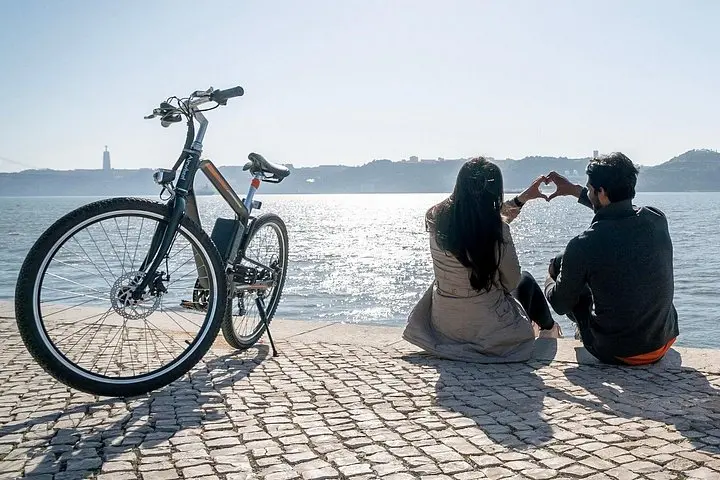
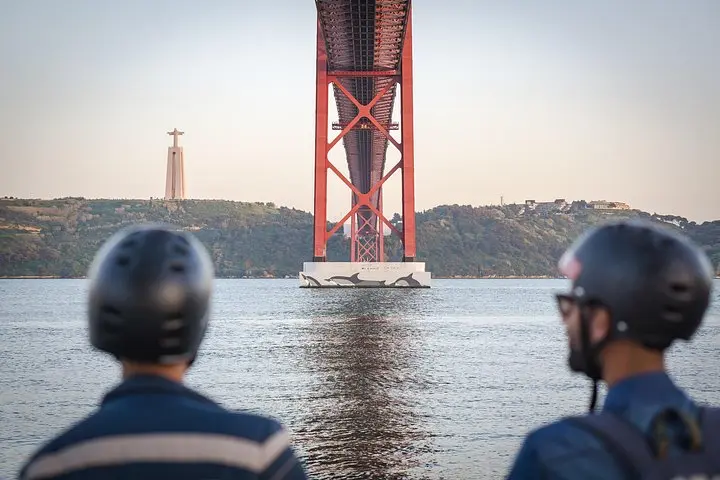
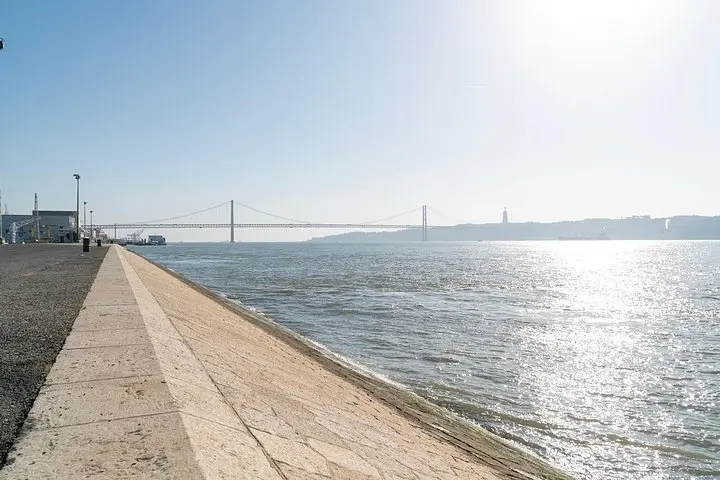
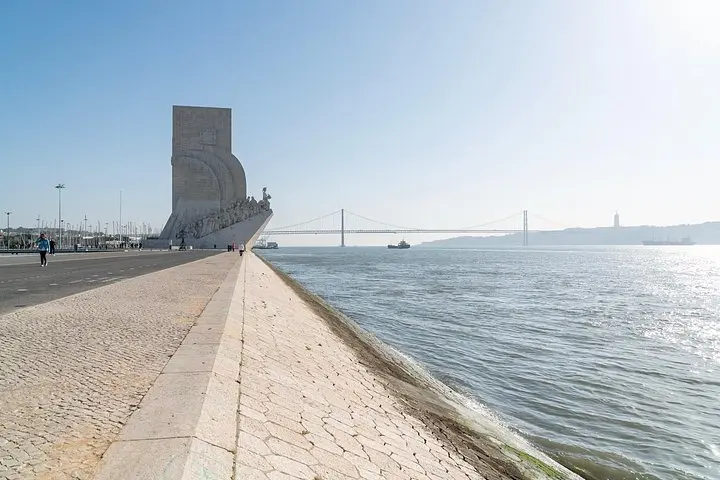
You push off from the stone quay in Belém, the Tagus tugging at the bike’s wake as the river seems to pull the city’s story along with it. Bikes hum beneath you and the air smells faintly of salt and roasted chestnuts; the Jerónimos Monastery and Belém Tower loom close enough to read their carved faces as you coast by.
Verified experiences and guided adventures in the surrounding area.
Operated by SITGO · Lisbon, Lisbon
You push off from the stone quay in Belém, the Tagus tugging at the bike’s wake as the river seems to pull the city’s story along with it. Bikes hum beneath you and the air smells faintly of salt and roasted chestnuts; the Jerónimos Monastery and Belém Tower loom close enough to read their carved faces as you coast by.
This 2–3 hour e-bike route follows the river that shaped Portugal’s maritime empire. Expect layered history: 16th‑century Manueline façades in Belém, the memory of the 1755 earthquake that remade the riverside, and the modern sweep of Parque das Nações where Vasco da Gama Tower marks contemporary Lisbon. Geologically, the Tagus estuary broadens here into low alluvial plains and reclaimed docks that now host promenades and parks—the river’s tidal moods give the city rhythm.
Culturally, neighborhoods change fast: ceremonial monuments, working docks, bohemian streets, then the leisure and science centers of the eastern waterfront. Local guides point out architectural details and ferry stories that maps omit.
Practical guide: the route is paved and largely flat, suitable for riders comfortable with basic bike handling and city traffic. Tours supply e-bikes sized for riders meeting the operator’s limits (min 1.35m; weight 45–120kg). Carry water, sun protection, and a light wind layer—the river can push a cool crosswind. Start mid-morning to avoid peak heat and busy promenades; obey cycle lanes and pedestrian areas. The ride is part sightseeing, part transport: move deliberately, look up, and let the Tagus do the guiding.
No—tours are aimed at riders with basic bike handling skills; guides brief you on the e-bike controls before departure.
Tours typically start in Belém and finish at Parque das Nações; confirm exact meeting point on your booking voucher.
Policies vary—many operators supply helmets but check the booking details and bring your own if you prefer.
This tour specifies a minimum height of 1.35m and a weight range of 45–120kg for participants.
SITGO operates guided outdoor trips and adventures with an emphasis on safety, stewardship, and memorable experiences.
You push off from the stone quay in Belém, the Tagus tugging at the bike’s wake as the river seems to pull the city’s story along with it. Bikes hum beneath you and the air smells faintly of salt and roasted chestnuts; the Jerónimos Monastery and Belém Tower loom close enough to read their carved faces as you coast by.
You push off from the stone quay in Belém, the Tagus tugging at the bike’s wake as the river seems to pull the city’s story along with it. Bikes hum beneath you and the air smells faintly of salt and roasted chestnuts; the Jerónimos Monastery and Belém Tower loom close enough to read their carved faces as you coast by.
This 2–3 hour e-bike route follows the river that shaped Portugal’s maritime empire. Expect layered history: 16th‑century Manueline façades in Belém, the memory of the 1755 earthquake that remade the riverside, and the modern sweep of Parque das Nações where Vasco da Gama Tower marks contemporary Lisbon. Geologically, the Tagus estuary broadens here into low alluvial plains and reclaimed docks that now host promenades and parks—the river’s tidal moods give the city rhythm.
Culturally, neighborhoods change fast: ceremonial monuments, working docks, bohemian streets, then the leisure and science centers of the eastern waterfront. Local guides point out architectural details and ferry stories that maps omit.
Practical guide: the route is paved and largely flat, suitable for riders comfortable with basic bike handling and city traffic. Tours supply e-bikes sized for riders meeting the operator’s limits (min 1.35m; weight 45–120kg). Carry water, sun protection, and a light wind layer—the river can push a cool crosswind. Start mid-morning to avoid peak heat and busy promenades; obey cycle lanes and pedestrian areas. The ride is part sightseeing, part transport: move deliberately, look up, and let the Tagus do the guiding.