THE ADVENTURE COLLECTIVE® · Independent discovery and booking for outdoor travel

Jump into a half-day off-road ATV route through dense jungle, then cool off with swims in two distinctive cenotes—one open and one subterranean. This combo pairs a hands-on driving experience with geology and local culture.
Jump into a half-day off-road ATV route through dense jungle, then cool off with swims in two distinctive cenotes—one open and one subterranean. This combo pairs a hands-on driving experience with geology and local culture.
The engine thumps as tires chew through loose limestone and leaf litter, the jungle closing in with a live, humid hush. Riders fan out in a ragged line, sunlight stabbing through palms, then open to a sudden sinkhole where water glints—an open cenote like an inland lagoon. Later, a short walk wedges the group into cool darkness: the arched ceiling of an underground cenote drips and echoes, the water tasting of mineral stillness.
Verified experiences and guided adventures in the surrounding area.
Operated by Kbron travel · Tulum, Quintana Roo
The engine thumps as tires chew through loose limestone and leaf litter, the jungle closing in with a live, humid hush. Riders fan out in a ragged line, sunlight stabbing through palms, then open to a sudden sinkhole where water glints—an open cenote like an inland lagoon. Later, a short walk wedges the group into cool darkness: the arched ceiling of an underground cenote drips and echoes, the water tasting of mineral stillness.
This route threads the Yucatán’s karst landscape—hard limestone riddled with caverns formed by millennia of rain—where Maya communities once treated cenotes as sacred water sources and portals to the underworld. Many modern cenotes were used for rituals and still hold shards and pottery on their banks; the region’s ecology hinges on these freshwater windows that feed subterranean rivers.
Expect a mixed day: 4–6 hours total with guided ATV time through uneven jungle trails and two supervised swims. Terrain is limestone tracks, rutted soil and short forested footpaths; elevation change is minimal but footing can be slippery near cenote rims. Guides typically brief riders on safety, helmet use and environmental respect before departure.
Practical guidance: wear closed-toe shoes you don’t mind getting muddy, bring a waterproof camera or dry bag, and carry at least 1–2 liters of water plus reef-safe sunscreen. If you’re new to ATVs, ask for a short practice loop and follow the lead guide’s pace. Respect local rules at cenotes—no loose plastics or detergents—and time your visit for morning light to avoid midday crowds and heat.
Policies vary by operator; many allow riders without a license but require a safety briefing—confirm during booking and bring ID for the lead driver if sharing.
Most operators supply life vests for weaker swimmers; bring your own if you prefer a personal fit.
Children often can ride as passengers but operators set age and weight limits—check booking requirements and safety rules beforehand.
Bring a towel, swimwear, biodegradable sunscreen, and a change of clothes; many sites have basic changing areas but not full facilities.
Kbron travel operates guided outdoor trips and adventures with an emphasis on safety, stewardship, and memorable experiences.
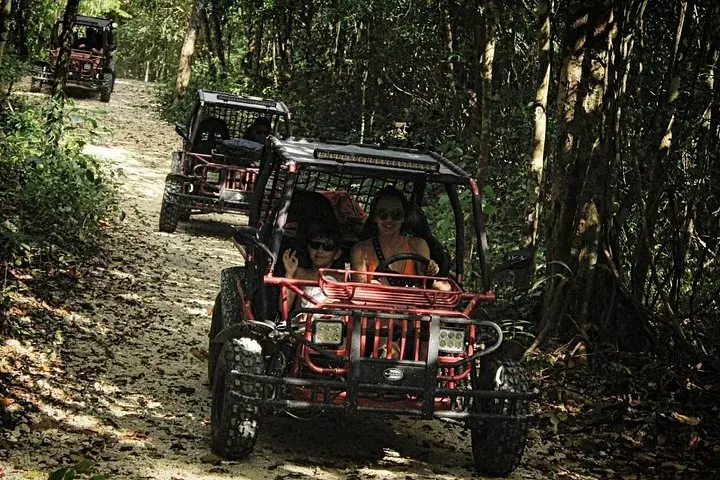
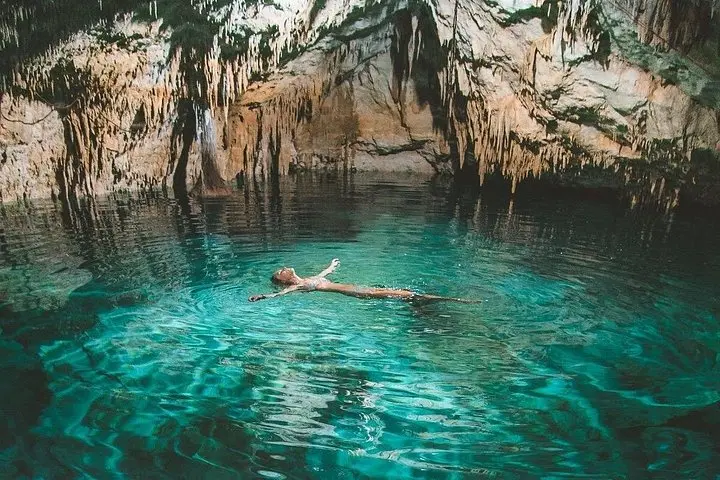
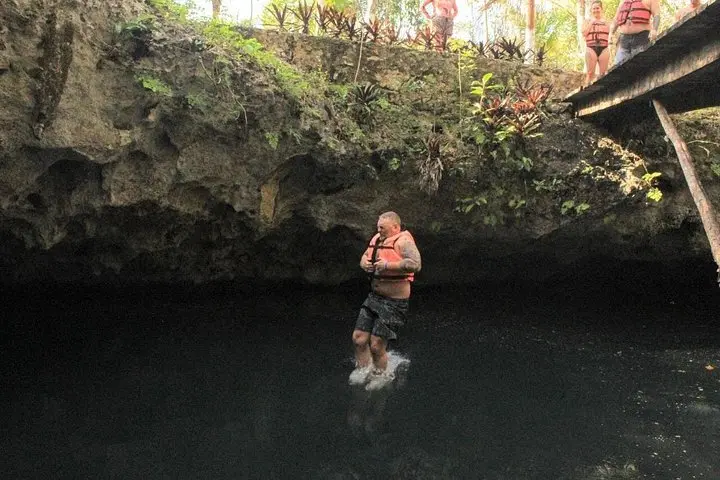
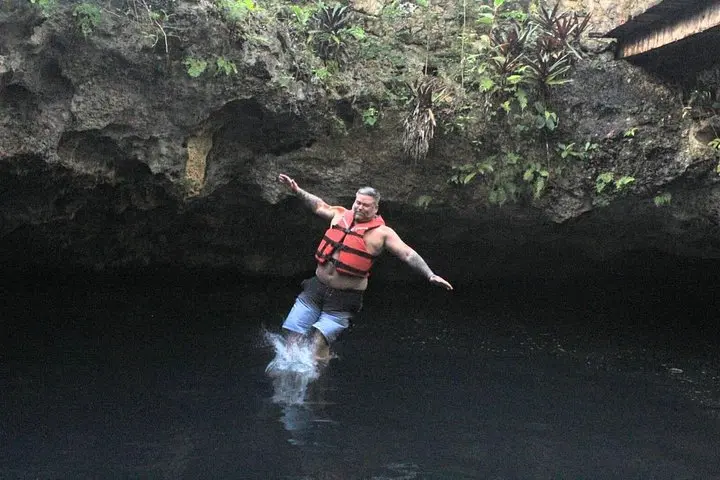
The engine thumps as tires chew through loose limestone and leaf litter, the jungle closing in with a live, humid hush. Riders fan out in a ragged line, sunlight stabbing through palms, then open to a sudden sinkhole where water glints—an open cenote like an inland lagoon. Later, a short walk wedges the group into cool darkness: the arched ceiling of an underground cenote drips and echoes, the water tasting of mineral stillness.
The engine thumps as tires chew through loose limestone and leaf litter, the jungle closing in with a live, humid hush. Riders fan out in a ragged line, sunlight stabbing through palms, then open to a sudden sinkhole where water glints—an open cenote like an inland lagoon. Later, a short walk wedges the group into cool darkness: the arched ceiling of an underground cenote drips and echoes, the water tasting of mineral stillness.
This route threads the Yucatán’s karst landscape—hard limestone riddled with caverns formed by millennia of rain—where Maya communities once treated cenotes as sacred water sources and portals to the underworld. Many modern cenotes were used for rituals and still hold shards and pottery on their banks; the region’s ecology hinges on these freshwater windows that feed subterranean rivers.
Expect a mixed day: 4–6 hours total with guided ATV time through uneven jungle trails and two supervised swims. Terrain is limestone tracks, rutted soil and short forested footpaths; elevation change is minimal but footing can be slippery near cenote rims. Guides typically brief riders on safety, helmet use and environmental respect before departure.
Practical guidance: wear closed-toe shoes you don’t mind getting muddy, bring a waterproof camera or dry bag, and carry at least 1–2 liters of water plus reef-safe sunscreen. If you’re new to ATVs, ask for a short practice loop and follow the lead guide’s pace. Respect local rules at cenotes—no loose plastics or detergents—and time your visit for morning light to avoid midday crowds and heat.