THE ADVENTURE COLLECTIVE® · Independent discovery and booking for outdoor travel

Wind through more than 600 curves and 50 bridges along Maui’s iconic Road to Hana, with waterfall swims, black-sand beaches and a farm-to-table lunch. This full-day guided trip packs geology, local history and coastal spectacle into one unforgettable route.
Wind through more than 600 curves and 50 bridges along Maui’s iconic Road to Hana, with waterfall swims, black-sand beaches and a farm-to-table lunch. This full-day guided trip packs geology, local history and coastal spectacle into one unforgettable route.
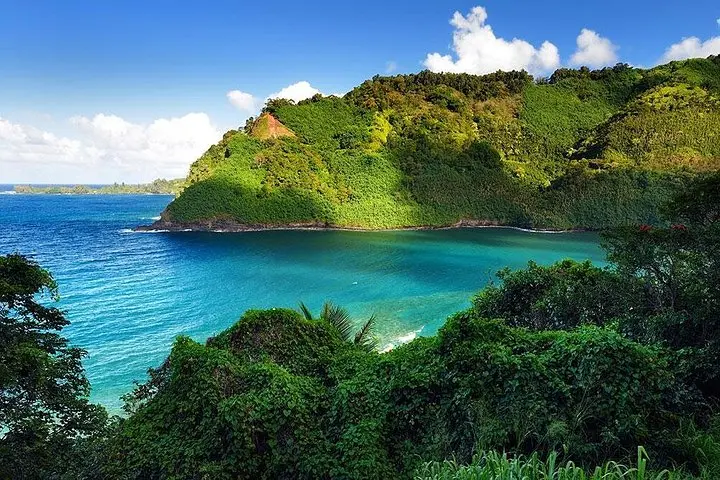
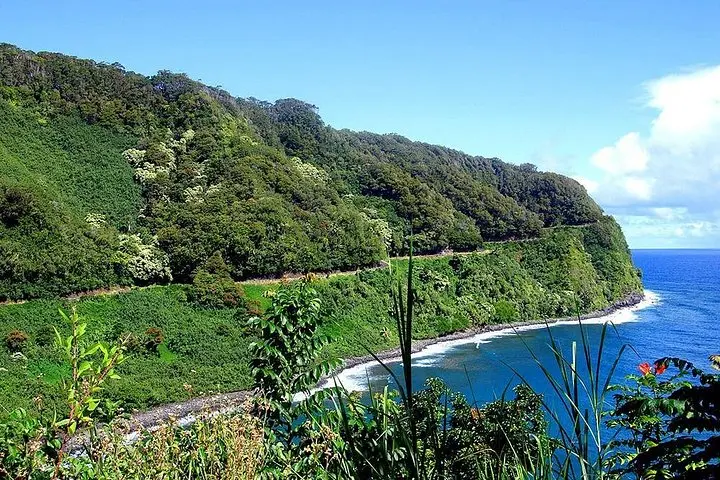
You start before dawn, the van's headlights slicing through mist as sugarcane fields blur past Pa'ia. The road unfurls—tight hairpins, one-lane bridges, and the scent of wet guava pressed against the windows. Rainforest climbs the cliffs like a living wall while the ocean, when it appears, is sudden and loud, throwing spray against black basalt like a challenge.
Verified experiences and guided adventures in the surrounding area.
Operated by Polynesian Adventure Tours · Hana, Hawaii
You start before dawn, the van's headlights slicing through mist as sugarcane fields blur past Pa'ia. The road unfurls—tight hairpins, one-lane bridges, and the scent of wet guava pressed against the windows. Rainforest climbs the cliffs like a living wall while the ocean, when it appears, is sudden and loud, throwing spray against black basalt like a challenge.
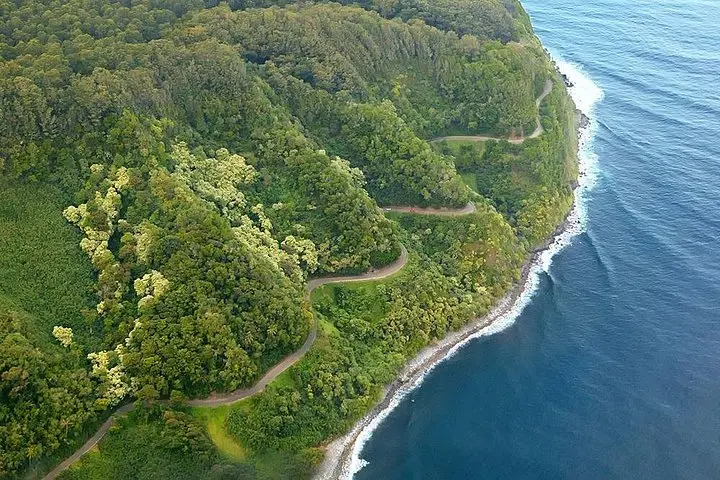
This is not just a drive; the Road to Hana is a linear landscape of geology, history and active culture. The highway threads over roughly 52 miles of coastline and interior ridges with more than 600 curves and about 50 single-lane bridges. Lava flows laid down by ancient eruptions cut the shore into jagged cliffs and sea arches, while the Hana region itself preserves Hawaiian practices—taro terraces and family farms that have sustained communities for generations.
Stops on a guided tour make the route readable: a black-sand bay that looks younger than the shoreline beside it, a waterfall-fed pool that invites cautious swims, and a farm lunch where vegetables and herbs come from the field a few steps away. Ho'okipa sends up a spectacle of windsurfers, kites ripping the air as if to show how fast the wind can move here. Guides talk local lore—plantation camps in Pa'ia, missionary influence, and the way weather and the land shaped everyday life.
The practical side matters. The road's relentless turns test even seasoned travelers; motion-sickness meds and a seat toward the front are simple defenses. Weather changes fast—sunshine can flip to mist in 10 minutes—so layers and water-resistant shells are mandatory. Trails at waterfalls are uneven and often slippery; wear shoes with real grip. Bring reef-safe sunscreen and a towel for swims, and expect limited cell service once you leave Pa'ia.
Timing makes the trip more than logistics; it shapes the experience. Early departures catch softer light and fewer cars at pullouts, while the reverse trip lets scenes look different—a cliff you passed in mist on the way out may be sunlit and alive on the return. Respect private land and posted closures, and take only photos: these are active farms and fragile coastal ecosystems.
For travelers who want one intense day of Maui in microcosm—ocean, rainforest, history and edible landscapes—the Road to Hana tour is a focused, practical way to meet the island. It asks for patience, steady stomachs and curiosity, and rewards with a lot more than a single postcard view.
The tour runs roughly 10–13 hours; the operator sets exact pickup times and requires you to call at least 2 days in advance to confirm pickup details.
Not recommended for pregnant guests or people with serious back/heart conditions due to long periods of winding driving and uneven terrain at stops.
Yes—stops include a waterfall-fed pool and beach visits when weather and safety conditions allow; bring swimwear and a towel.
Lunch at an organic farm and all admission/park entry fees are included in the tour price.
Cell service is intermittent beyond Pa'ia; plan logistics and emergency contacts before you leave town.
Contact the provider at least 7 days before departure to arrange ADA requests or special dietary needs; they attempt to accommodate when possible.
Polynesian Adventure Tours operates guided outdoor trips and adventures with an emphasis on safety, stewardship, and memorable experiences.
You start before dawn, the van's headlights slicing through mist as sugarcane fields blur past Pa'ia. The road unfurls—tight hairpins, one-lane bridges, and the scent of wet guava pressed against the windows. Rainforest climbs the cliffs like a living wall while the ocean, when it appears, is sudden and loud, throwing spray against black basalt like a challenge.
You start before dawn, the van's headlights slicing through mist as sugarcane fields blur past Pa'ia. The road unfurls—tight hairpins, one-lane bridges, and the scent of wet guava pressed against the windows. Rainforest climbs the cliffs like a living wall while the ocean, when it appears, is sudden and loud, throwing spray against black basalt like a challenge.
This is not just a drive; the Road to Hana is a linear landscape of geology, history and active culture. The highway threads over roughly 52 miles of coastline and interior ridges with more than 600 curves and about 50 single-lane bridges. Lava flows laid down by ancient eruptions cut the shore into jagged cliffs and sea arches, while the Hana region itself preserves Hawaiian practices—taro terraces and family farms that have sustained communities for generations.
Stops on a guided tour make the route readable: a black-sand bay that looks younger than the shoreline beside it, a waterfall-fed pool that invites cautious swims, and a farm lunch where vegetables and herbs come from the field a few steps away. Ho'okipa sends up a spectacle of windsurfers, kites ripping the air as if to show how fast the wind can move here. Guides talk local lore—plantation camps in Pa'ia, missionary influence, and the way weather and the land shaped everyday life.
The practical side matters. The road's relentless turns test even seasoned travelers; motion-sickness meds and a seat toward the front are simple defenses. Weather changes fast—sunshine can flip to mist in 10 minutes—so layers and water-resistant shells are mandatory. Trails at waterfalls are uneven and often slippery; wear shoes with real grip. Bring reef-safe sunscreen and a towel for swims, and expect limited cell service once you leave Pa'ia.
Timing makes the trip more than logistics; it shapes the experience. Early departures catch softer light and fewer cars at pullouts, while the reverse trip lets scenes look different—a cliff you passed in mist on the way out may be sunlit and alive on the return. Respect private land and posted closures, and take only photos: these are active farms and fragile coastal ecosystems.
For travelers who want one intense day of Maui in microcosm—ocean, rainforest, history and edible landscapes—the Road to Hana tour is a focused, practical way to meet the island. It asks for patience, steady stomachs and curiosity, and rewards with a lot more than a single postcard view.