THE ADVENTURE COLLECTIVE® · Independent discovery and booking for outdoor travel

Drive one of Hawaii’s most famous coastal roads with a private guide who times the stops for light, tides, and crowd-free viewpoints. Expect waterfalls, black sand beaches, bamboo groves and cultural stories woven into every turn.
Drive one of Hawaii’s most famous coastal roads with a private guide who times the stops for light, tides, and crowd-free viewpoints. Expect waterfalls, black sand beaches, bamboo groves and cultural stories woven into every turn.
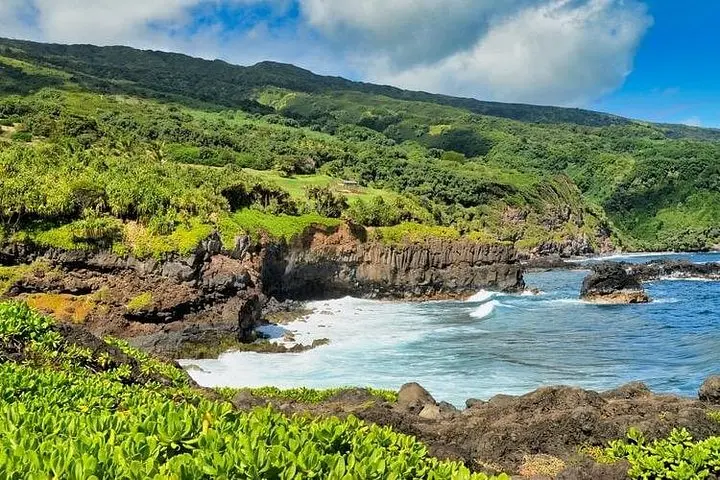
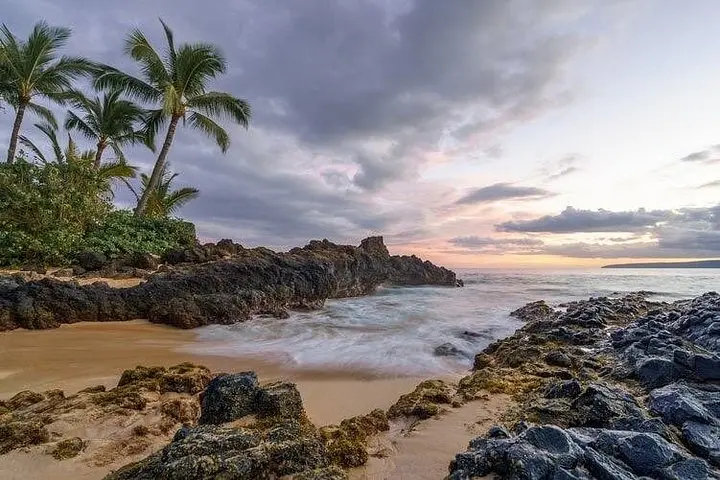
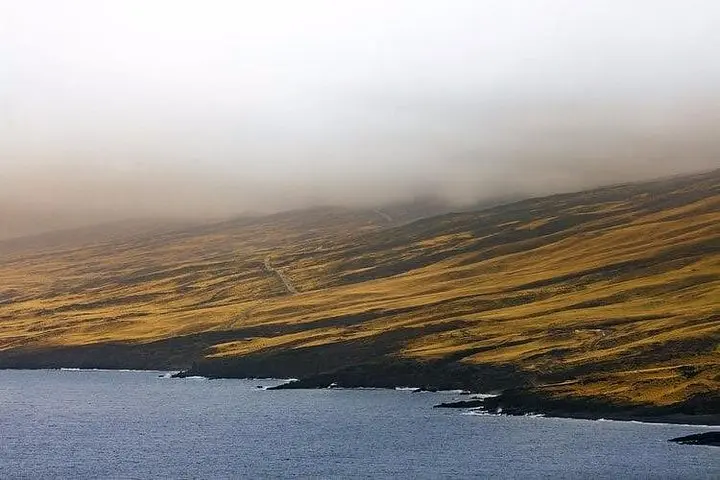
The van peels away from Kahului before dawn, the coast folding open to a string of hairpin turns and one-lane bridges. Rain clouds cling to the gulches as you follow the rim of the Pacific; cliffs drop into surf that hammers and then hushes behind pockets of black sand. A local guide steers, points, and tells small, exact stories—where gods were said to walk, where families once farmed taro terraces, where a tsunami rearranged a shoreline. The Road to Hana is not a single place but a day-long negotiation with time and tide, a moving gallery of waterfalls, rainforest, and volcanic coast.
Verified experiences and guided adventures in the surrounding area.
Operated by Tour Travel & More · Hana, Hawaii
The van peels away from Kahului before dawn, the coast folding open to a string of hairpin turns and one-lane bridges. Rain clouds cling to the gulches as you follow the rim of the Pacific; cliffs drop into surf that hammers and then hushes behind pockets of black sand. A local guide steers, points, and tells small, exact stories—where gods were said to walk, where families once farmed taro terraces, where a tsunami rearranged a shoreline. The Road to Hana is not a single place but a day-long negotiation with time and tide, a moving gallery of waterfalls, rainforest, and volcanic coast.
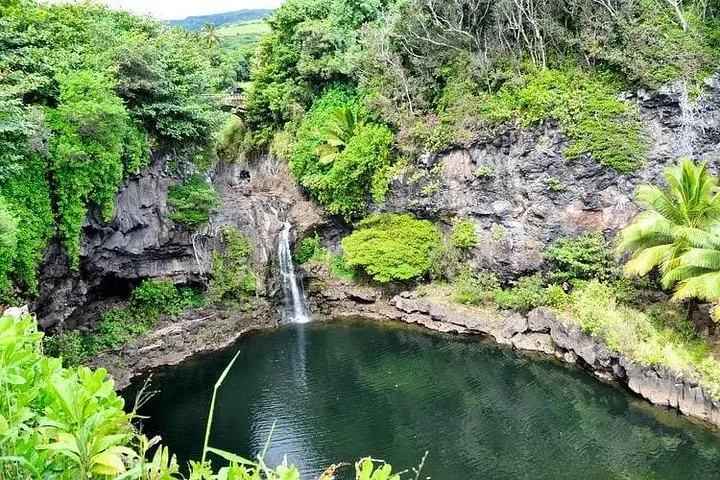
Geology here reads like an open textbook. Basalt flows and fractured lava make the dark beaches at Waiʻanapanapa, where black sand is ground from lava fragments. East Maui’s steep valleys are the product of heavy rainfall carving friable volcanic soils; bamboo chokes the stream corridors, and waterfalls cascade along fractures and old rift zones. Culturally the route threads through Hana’s small settlements—places where Hawaiian chants, fishponds, and ancient heiau (shrines) remind visitors this landscape has long been lived in and stewarded.
Your private tour compresses the long drive into a curated rhythm: a coffee and surf-check in Paia, a sea-turtle sighting at a rocky ledge, a short guided hike into a bamboo forest and across slick roots to a series of falls. Stops are purposeful—Waiʻanapanapa’s black beach and sea caves, an accessible lava tube, Puohokamoa’s twin falls—each a chance to step out, feel the spray, and move on before the midday crowd arrives.
Practical edge: the Hana Highway spans roughly 60 miles but plan for an eight-hour day; the road is narrow with many single-lane bridges and no reliable cell service in stretches. Wear sturdy shoes for wet, slippery trails and reef-safe sunscreen for coastal stops. Bring a waterproof layer—mornings often start misty—and 1–2 liters of water per person. If you’re prone to motion sickness, sit forward and take ginger. The tour includes private round-trip transport and pickup options across Maui, but confirm pickup details in advance.
Conservation and etiquette are part of the visit: stay on marked trails, don’t remove sand or lava rock, and give sea turtles and birds space. With a local guide you’ll get context—myths, ecological notes, and places to pause where cameras can do justice to a dramatic coastline without harming it.
By late afternoon the drive back is quieter; the island folds behind you, wet leaves glinting, and the memory of one long, unruly coastline lingers—raw, loud, and deceptively fragile.
This private tour runs about eight hours and covers key stops along the roughly 60-mile Hana Highway; exact timing depends on stops and traffic.
The highway is narrow with many turns and one-lane bridges; the tour provides experienced local drivers so you can relax and enjoy the scenery.
Some locations have safe swimming spots, but currents can be strong; follow your guide’s advice and posted signs—do not enter unsafe pools or the surf.
Yes—stops in Paia and Hana include cafes and public restrooms, but carry snacks and water because services are limited along stretches of the route.
Yes—infant seats are available on request, but long driving times and uneven terrain can be challenging for very young children.
All sales are final for this tour, so confirm pickup details and traveler info carefully before booking.
Tour Travel & More operates guided outdoor trips and adventures with an emphasis on safety, stewardship, and memorable experiences.
The van peels away from Kahului before dawn, the coast folding open to a string of hairpin turns and one-lane bridges. Rain clouds cling to the gulches as you follow the rim of the Pacific; cliffs drop into surf that hammers and then hushes behind pockets of black sand. A local guide steers, points, and tells small, exact stories—where gods were said to walk, where families once farmed taro terraces, where a tsunami rearranged a shoreline. The Road to Hana is not a single place but a day-long negotiation with time and tide, a moving gallery of waterfalls, rainforest, and volcanic coast.
The van peels away from Kahului before dawn, the coast folding open to a string of hairpin turns and one-lane bridges. Rain clouds cling to the gulches as you follow the rim of the Pacific; cliffs drop into surf that hammers and then hushes behind pockets of black sand. A local guide steers, points, and tells small, exact stories—where gods were said to walk, where families once farmed taro terraces, where a tsunami rearranged a shoreline. The Road to Hana is not a single place but a day-long negotiation with time and tide, a moving gallery of waterfalls, rainforest, and volcanic coast.
Geology here reads like an open textbook. Basalt flows and fractured lava make the dark beaches at Waiʻanapanapa, where black sand is ground from lava fragments. East Maui’s steep valleys are the product of heavy rainfall carving friable volcanic soils; bamboo chokes the stream corridors, and waterfalls cascade along fractures and old rift zones. Culturally the route threads through Hana’s small settlements—places where Hawaiian chants, fishponds, and ancient heiau (shrines) remind visitors this landscape has long been lived in and stewarded.
Your private tour compresses the long drive into a curated rhythm: a coffee and surf-check in Paia, a sea-turtle sighting at a rocky ledge, a short guided hike into a bamboo forest and across slick roots to a series of falls. Stops are purposeful—Waiʻanapanapa’s black beach and sea caves, an accessible lava tube, Puohokamoa’s twin falls—each a chance to step out, feel the spray, and move on before the midday crowd arrives.
Practical edge: the Hana Highway spans roughly 60 miles but plan for an eight-hour day; the road is narrow with many single-lane bridges and no reliable cell service in stretches. Wear sturdy shoes for wet, slippery trails and reef-safe sunscreen for coastal stops. Bring a waterproof layer—mornings often start misty—and 1–2 liters of water per person. If you’re prone to motion sickness, sit forward and take ginger. The tour includes private round-trip transport and pickup options across Maui, but confirm pickup details in advance.
Conservation and etiquette are part of the visit: stay on marked trails, don’t remove sand or lava rock, and give sea turtles and birds space. With a local guide you’ll get context—myths, ecological notes, and places to pause where cameras can do justice to a dramatic coastline without harming it.
By late afternoon the drive back is quieter; the island folds behind you, wet leaves glinting, and the memory of one long, unruly coastline lingers—raw, loud, and deceptively fragile.