THE ADVENTURE COLLECTIVE® · Independent discovery and booking for outdoor travel

Drive the 11-mile Wildlife Drive aboard the Roaming Bison for a guided, climate-controlled safari through a 15,000-acre urban refuge. Ideal at dusk, this two-hour tour concentrates sightings of bison, raptors, and wetland birds with expert interpretation.
Drive the 11-mile Wildlife Drive aboard the Roaming Bison for a guided, climate-controlled safari through a 15,000-acre urban refuge. Ideal at dusk, this two-hour tour concentrates sightings of bison, raptors, and wetland birds with expert interpretation.
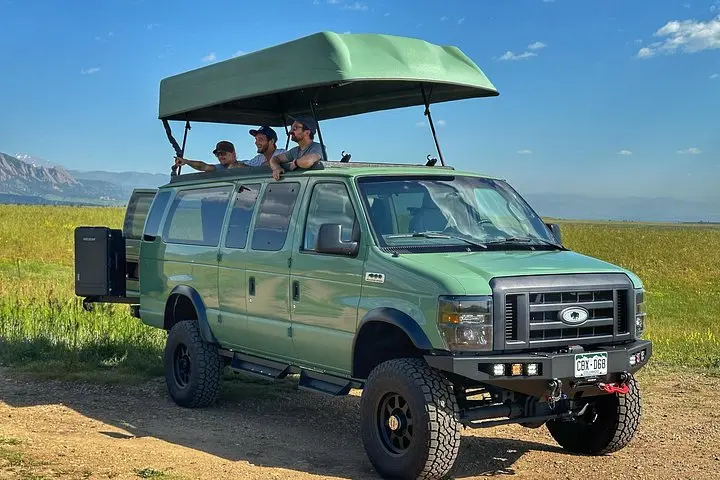
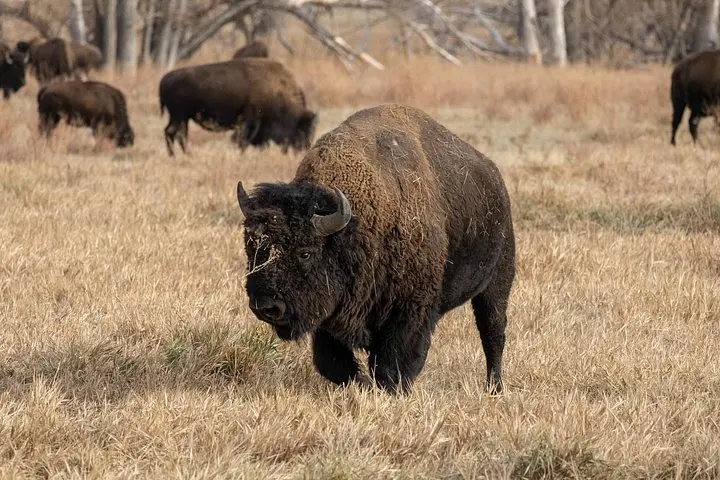
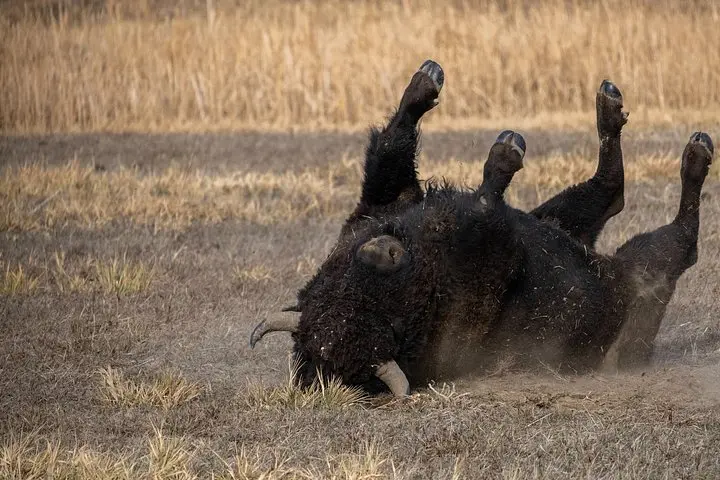
Late-afternoon light flattens the prairie and the Roaming Bison vehicle hums down the gravel of the 11-mile Wildlife Drive. Wind tugs at grasses that push back like a crowd as the guide eases the vehicle toward a distant hump of dark muscle—bison feeding against the skyline. Raptors wheel overhead, and a marsh nearby hisses with ducks taking flight.
Verified experiences and guided adventures in the surrounding area.
Operated by The Wild Source · Commerce City, Colorado
Late-afternoon light flattens the prairie and the Roaming Bison vehicle hums down the gravel of the 11-mile Wildlife Drive. Wind tugs at grasses that push back like a crowd as the guide eases the vehicle toward a distant hump of dark muscle—bison feeding against the skyline. Raptors wheel overhead, and a marsh nearby hisses with ducks taking flight.
The Rocky Mountain Arsenal was once an industrial and military manufacturing complex; decades of cleanup and restoration have converted 15,000 acres into one of the largest urban wildlife refuges in the United States. Geology here is simple—flat prairie, seasonal wetlands, and the low basalt and sedimentary soils that collect water into shallow basins—yet it supports a surprisingly diverse avian and mammal community. Local culture reflects Denver’s outdoor ethic: volunteers, birders, and photographers converge at the Visitor Center to swap sightings and tips.
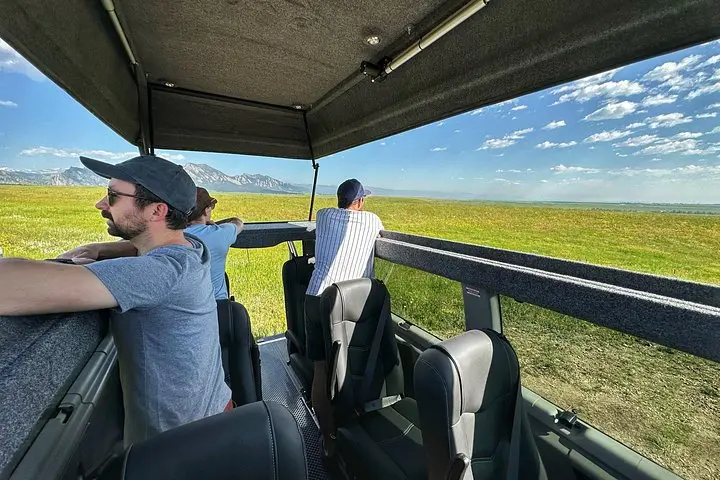
On this guided two-hour safari, expect slow, deliberate stops at viewing points, a short orientation at the Visitor Center, and commentary about bison management, raptor behavior, and migration patterns. The vehicle’s climate control makes early dusk tours comfortable; the guide’s spotting scopes and knowledge do the rest.
Practical notes: book the dusk slot for peak activity, bring a telephoto lens or good binoculars, and layer clothing for quick temperature shifts. Trails and overlooks near the Visitor Center are walkable if you want to extend your visit on foot; otherwise the Wildlife Drive itself provides the core experience with minimal physical demand.
The guided safari is approximately two hours and meets at the Rocky Mountain Arsenal Visitor Center parking lot by the solar panels and EV chargers.
Children are welcome; infants must sit on an adult’s lap. Service animals are permitted—check in advance with the operator for specifics.
Stops are controlled by the guide; you may disembark at designated viewing spots, but always follow safety instructions to avoid disturbing animals.
The tour is described as physically easy and the climate-controlled vehicle accommodates most mobility levels—notify the operator of any access needs when booking.
The Wild Source operates guided outdoor trips and adventures with an emphasis on safety, stewardship, and memorable experiences.
Late-afternoon light flattens the prairie and the Roaming Bison vehicle hums down the gravel of the 11-mile Wildlife Drive. Wind tugs at grasses that push back like a crowd as the guide eases the vehicle toward a distant hump of dark muscle—bison feeding against the skyline. Raptors wheel overhead, and a marsh nearby hisses with ducks taking flight.
Late-afternoon light flattens the prairie and the Roaming Bison vehicle hums down the gravel of the 11-mile Wildlife Drive. Wind tugs at grasses that push back like a crowd as the guide eases the vehicle toward a distant hump of dark muscle—bison feeding against the skyline. Raptors wheel overhead, and a marsh nearby hisses with ducks taking flight.
The Rocky Mountain Arsenal was once an industrial and military manufacturing complex; decades of cleanup and restoration have converted 15,000 acres into one of the largest urban wildlife refuges in the United States. Geology here is simple—flat prairie, seasonal wetlands, and the low basalt and sedimentary soils that collect water into shallow basins—yet it supports a surprisingly diverse avian and mammal community. Local culture reflects Denver’s outdoor ethic: volunteers, birders, and photographers converge at the Visitor Center to swap sightings and tips.
On this guided two-hour safari, expect slow, deliberate stops at viewing points, a short orientation at the Visitor Center, and commentary about bison management, raptor behavior, and migration patterns. The vehicle’s climate control makes early dusk tours comfortable; the guide’s spotting scopes and knowledge do the rest.
Practical notes: book the dusk slot for peak activity, bring a telephoto lens or good binoculars, and layer clothing for quick temperature shifts. Trails and overlooks near the Visitor Center are walkable if you want to extend your visit on foot; otherwise the Wildlife Drive itself provides the core experience with minimal physical demand.