THE ADVENTURE COLLECTIVE® · Independent discovery and booking for outdoor travel

Explore Roatán’s east coast by water taxi, snorkel a habitat-rich mangrove tunnel once used by pirates, and finish with lunch at the famous Hole in the Wall. This 4–5 hour eco-sightseeing trip pairs calm snorkel spots with cultural glimpses of island life.
Explore Roatán’s east coast by water taxi, snorkel a habitat-rich mangrove tunnel once used by pirates, and finish with lunch at the famous Hole in the Wall. This 4–5 hour eco-sightseeing trip pairs calm snorkel spots with cultural glimpses of island life.
A wooden water taxi slices through crystalline Caribbean water as palms lean toward a narrow mangrove inlet. Salt air and the quiet rattle of an outboard set the pace; guides point out the low, arching root systems that form the island’s mangrove tunnel, a natural corridor once used by pirates and small boats to slip unseen along Roatán’s east coast.
Verified experiences and guided adventures in the surrounding area.
Operated by Roatan Five Stars Tours · Coxen Hole, Bay Islands
A wooden water taxi slices through crystalline Caribbean water as palms lean toward a narrow mangrove inlet. Salt air and the quiet rattle of an outboard set the pace; guides point out the low, arching root systems that form the island’s mangrove tunnel, a natural corridor once used by pirates and small boats to slip unseen along Roatán’s east coast.
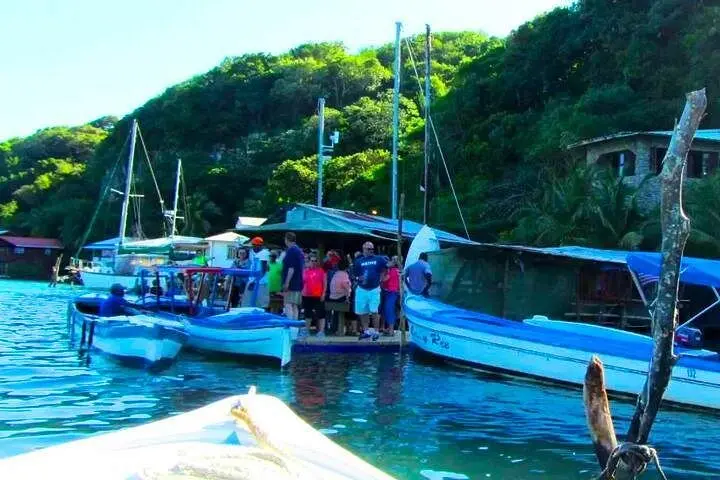
The east side of Roatán is quieter than the cruise-port west. Geologically the island is a limestone ridge fringed by fringing reef; mangroves occupy the transition from land to lagoon, trapping sediment and building nursery habitat for reef fish. Culturally you’ll pass small Garifuna and fishing villages where wooden boats and low-slung houses reflect daily island life.
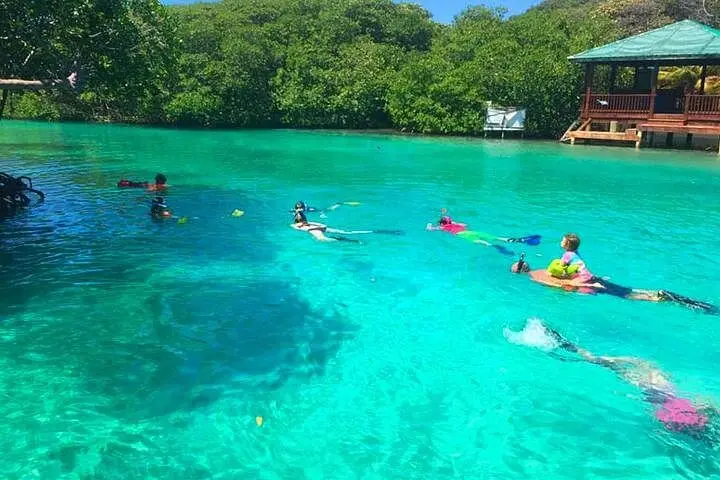
Expect shallow snorkeling around prop-protected reef and mangrove roots: calm, clear water teeming with juvenile fish, crabs, and hidden conchs. The itinerary finishes at “Hole in the Wall,” an old local restaurant offering island plates and tropical drinks (meals extra).
Practical guidance: the trip runs about 4–5 hours with short boat transfers and gentle snorkeling; bring a fitted mask and reef-safe sunscreen, a lightweight rashguard, and a waterproof phone case for photos. Water taxis and guides are experienced, but currents can change—stay close to the guide and wear a flotation aid if you’re less confident in open water. Morning departures usually offer the calmest water and best visibility. Respect the mangroves and reef: avoid touching coral, take all trash with you, and choose reef-safe products to minimize impact.
No—this trip accommodates beginners; guides stay close and flotation aids are available for added confidence.
Meals and drinks at the restaurant are typically extra; you can order from the menu on site.
Yes—children and non-swimmers can participate, and organizers provide flotation devices and close supervision during snorkel stops.
Boat transfer times vary by pickup location but are short—most itineraries fit the entire experience into a 4–5 hour window including transfers and snorkeling stops.
Roatan Five Stars Tours operates guided outdoor trips and adventures with an emphasis on safety, stewardship, and memorable experiences.
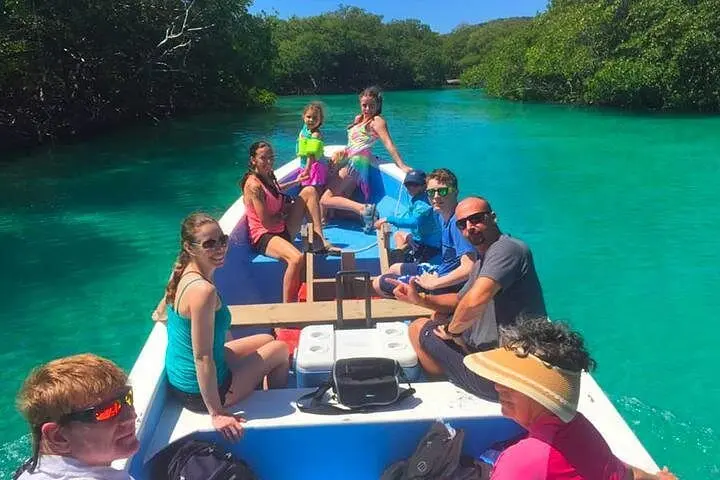
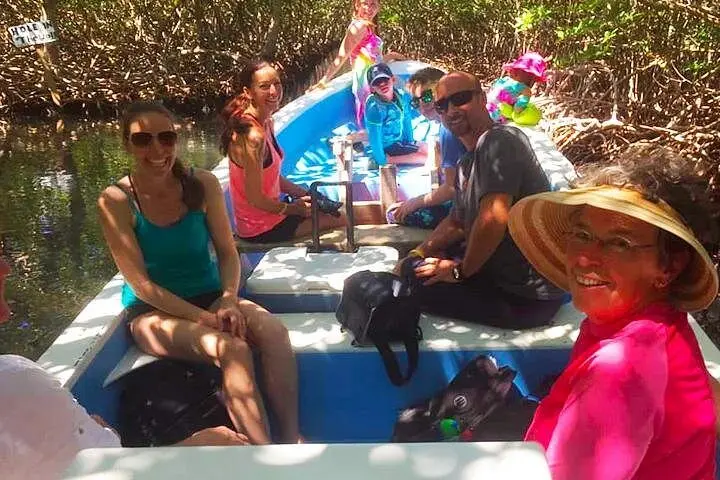
A wooden water taxi slices through crystalline Caribbean water as palms lean toward a narrow mangrove inlet. Salt air and the quiet rattle of an outboard set the pace; guides point out the low, arching root systems that form the island’s mangrove tunnel, a natural corridor once used by pirates and small boats to slip unseen along Roatán’s east coast.
A wooden water taxi slices through crystalline Caribbean water as palms lean toward a narrow mangrove inlet. Salt air and the quiet rattle of an outboard set the pace; guides point out the low, arching root systems that form the island’s mangrove tunnel, a natural corridor once used by pirates and small boats to slip unseen along Roatán’s east coast.
The east side of Roatán is quieter than the cruise-port west. Geologically the island is a limestone ridge fringed by fringing reef; mangroves occupy the transition from land to lagoon, trapping sediment and building nursery habitat for reef fish. Culturally you’ll pass small Garifuna and fishing villages where wooden boats and low-slung houses reflect daily island life.
Expect shallow snorkeling around prop-protected reef and mangrove roots: calm, clear water teeming with juvenile fish, crabs, and hidden conchs. The itinerary finishes at “Hole in the Wall,” an old local restaurant offering island plates and tropical drinks (meals extra).
Practical guidance: the trip runs about 4–5 hours with short boat transfers and gentle snorkeling; bring a fitted mask and reef-safe sunscreen, a lightweight rashguard, and a waterproof phone case for photos. Water taxis and guides are experienced, but currents can change—stay close to the guide and wear a flotation aid if you’re less confident in open water. Morning departures usually offer the calmest water and best visibility. Respect the mangroves and reef: avoid touching coral, take all trash with you, and choose reef-safe products to minimize impact.