THE ADVENTURE COLLECTIVE® · Independent discovery and booking for outdoor travel

Board a 30-minute ferry from Cape Town’s V&A Waterfront and follow ex-political prisoners across Table Bay to Robben Island. Explore Nelson Mandela’s cell, learn the island’s layered history, and get practical tips for timing, ID, and sea conditions.
Board a 30-minute ferry from Cape Town’s V&A Waterfront and follow ex-political prisoners across Table Bay to Robben Island. Explore Nelson Mandela’s cell, learn the island’s layered history, and get practical tips for timing, ID, and sea conditions.
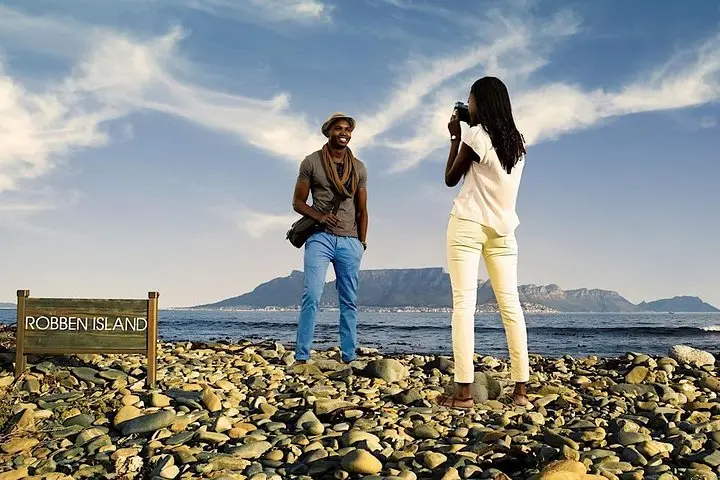
You step away from the V&A Waterfront’s clocktower into a gust of Atlantic wind; the harbor narrows and the city’s edge falls behind as the ferry threads Table Bay. The sea dares you forward during a 30-minute crossing that opens a different kind of landscape: a low, flat island of weathered limestone and scrub, ringed by kelp and the cries of seabirds.
Verified experiences and guided adventures in the surrounding area.
Operated by Beyond Africa Safaris (Pty)Ltd · Cape Town, Western Cape
You step away from the V&A Waterfront’s clocktower into a gust of Atlantic wind; the harbor narrows and the city’s edge falls behind as the ferry threads Table Bay. The sea dares you forward during a 30-minute crossing that opens a different kind of landscape: a low, flat island of weathered limestone and scrub, ringed by kelp and the cries of seabirds.
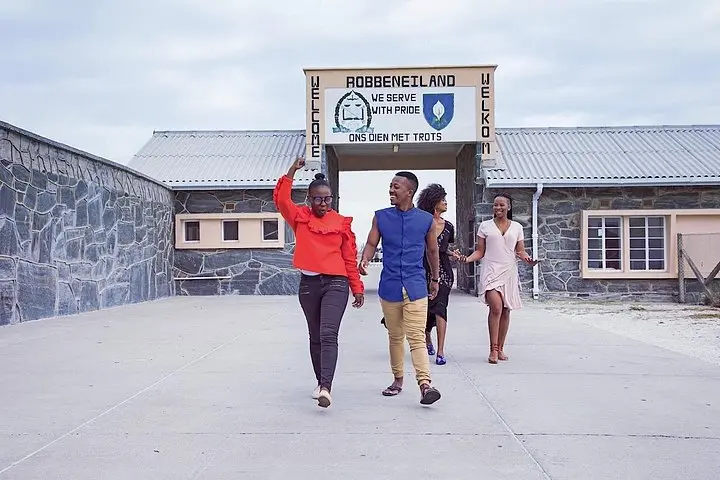
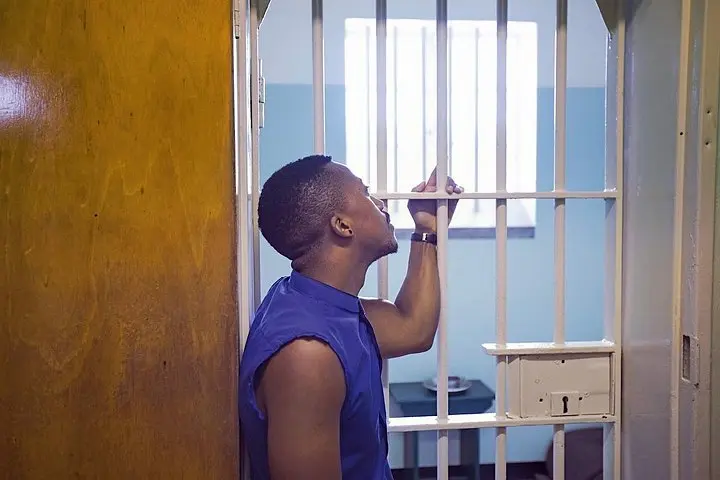
Robben Island’s history is blunt and public: a former leper colony, prison and military outpost whose most famous cell held Nelson Mandela for 18 years. The island’s geology — compacted sand and calcrete — made it easy to isolate people, and the island’s role in South Africa’s political history is presented plainly by guides, often former political prisoners, who lead the bus tour and walk the Long Walk to Freedom.
Culture here is lived history: small memorials, the prison yard, and simple stone cells that force interpretation rather than decoration. Offshore, kelp beds and marine life frame the story, reminding visitors this is also a working marine ecosystem.
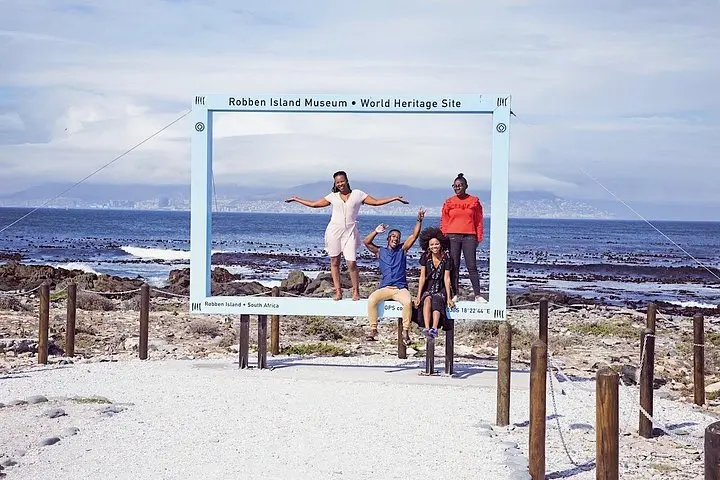
Practical guidance: arrive 30 minutes early at the Nelson Mandela Gateway with passport or copy; skip-the-line tickets speed boarding. Expect a 3–4 hour commitment including ferry time and guided tour; weather can close crossings so build flexibility into your itinerary. Dress in windproof layers, carry sea-sickness meds if prone, and plan for firm, flat walking with occasional uneven surfaces. Photography is allowed in many areas but follow guide instructions — the island is both a museum and a protected environment.
The full experience is about 3–4 hours: roughly a 30-minute ferry each way plus the guided island tour and bus transfer.
This specific offer is tailored for South African residents but the booking notes recommend different rates for locals; check with the operator for local pricing options.
Robben Island cancels crossings in unsafe conditions; you will be offered rescheduling or a refund through the booking channel if the operator cancels.
The tour involves ferry boarding and uneven surfaces on the island; while some parts are accessible, travelers with mobility concerns should check with the operator in advance for accommodations.
Beyond Africa Safaris (Pty)Ltd operates guided outdoor trips and adventures with an emphasis on safety, stewardship, and memorable experiences.
You step away from the V&A Waterfront’s clocktower into a gust of Atlantic wind; the harbor narrows and the city’s edge falls behind as the ferry threads Table Bay. The sea dares you forward during a 30-minute crossing that opens a different kind of landscape: a low, flat island of weathered limestone and scrub, ringed by kelp and the cries of seabirds.
You step away from the V&A Waterfront’s clocktower into a gust of Atlantic wind; the harbor narrows and the city’s edge falls behind as the ferry threads Table Bay. The sea dares you forward during a 30-minute crossing that opens a different kind of landscape: a low, flat island of weathered limestone and scrub, ringed by kelp and the cries of seabirds.
Robben Island’s history is blunt and public: a former leper colony, prison and military outpost whose most famous cell held Nelson Mandela for 18 years. The island’s geology — compacted sand and calcrete — made it easy to isolate people, and the island’s role in South Africa’s political history is presented plainly by guides, often former political prisoners, who lead the bus tour and walk the Long Walk to Freedom.
Culture here is lived history: small memorials, the prison yard, and simple stone cells that force interpretation rather than decoration. Offshore, kelp beds and marine life frame the story, reminding visitors this is also a working marine ecosystem.
Practical guidance: arrive 30 minutes early at the Nelson Mandela Gateway with passport or copy; skip-the-line tickets speed boarding. Expect a 3–4 hour commitment including ferry time and guided tour; weather can close crossings so build flexibility into your itinerary. Dress in windproof layers, carry sea-sickness meds if prone, and plan for firm, flat walking with occasional uneven surfaces. Photography is allowed in many areas but follow guide instructions — the island is both a museum and a protected environment.