THE ADVENTURE COLLECTIVE® · Independent discovery and booking for outdoor travel

Board a short ferry from Cape Town for a 4–5 hour guided visit to Robben Island, where former prisoners and interpreters bring apartheid history to life. Expect open, windswept terrain, a moving prison walk and sweeping views of Table Mountain on the return crossing.
Board a short ferry from Cape Town for a 4–5 hour guided visit to Robben Island, where former prisoners and interpreters bring apartheid history to life. Expect open, windswept terrain, a moving prison walk and sweeping views of Table Mountain on the return crossing.
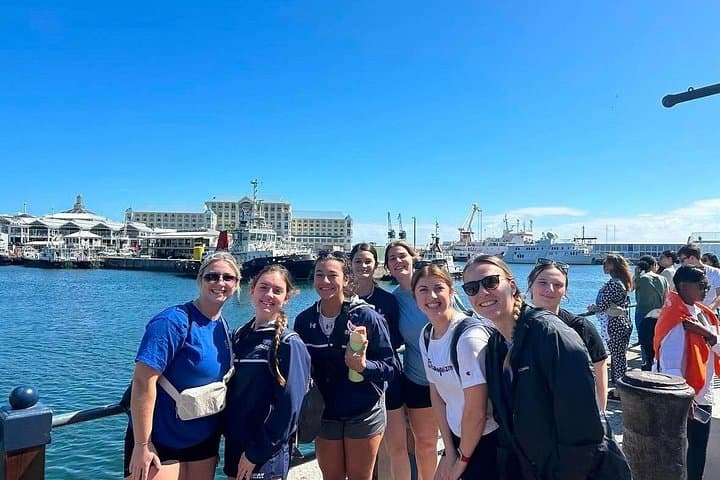
The ferry slips away from the V&A Waterfront and Cape Town’s skyline shrinks behind you: salt wind, the flat silhouette of an island, and Table Mountain watching from the mainland. On Robben Island, the landscape is spare and exposed — low scrub, scarred concrete, and a series of stern, sun-facing buildings that once housed political prisoners. The approach readies you for contrast: a short sea crossing with coastal views, then a guided walk through one of South Africa’s most powerful historical sites.
Verified experiences and guided adventures in the surrounding area.
Operated by LuxExplorer · Cape Town, Western Cape
The ferry slips away from the V&A Waterfront and Cape Town’s skyline shrinks behind you: salt wind, the flat silhouette of an island, and Table Mountain watching from the mainland. On Robben Island, the landscape is spare and exposed — low scrub, scarred concrete, and a series of stern, sun-facing buildings that once housed political prisoners. The approach readies you for contrast: a short sea crossing with coastal views, then a guided walk through one of South Africa’s most powerful historical sites.
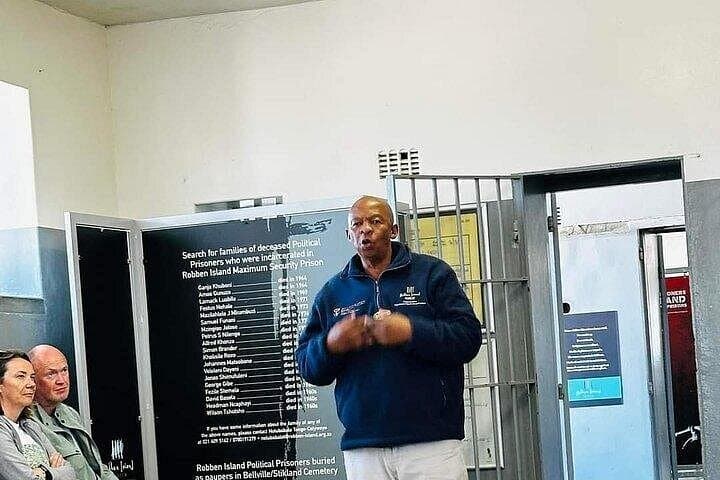
Robben Island’s story is political and human. For much of the 20th century it served as a prison, quarantine station and military outpost; its most famous inmate, Nelson Mandela, spent 18 years here. Tours are commonly led by former prisoners or guides trained in the site’s history, which brings first-person recollection to the concrete corridors and Mandela’s small cell. Geographically, the island sits in Table Bay and is exposed to strong winds and shifting seas, which shaped its use as an isolated detention site and later a place of remembrance.
Practicalities matter: the full tour runs roughly 4–5 hours including boat transfer (one-way ferry time ~30–40 minutes). Tickets are mobile-friendly and often sell out; book in advance and arrive early at the departure point. The route is mostly flat but exposed—bring sun protection, windproof layers and sturdy shoes. Accessibility is good: ferries and paths are wheelchair accessible, but check weather and seas for comfort. Allow time after return to explore the Waterfront’s restaurants and museums; the day pairs coastal scenery with a sobering, essential history lesson.
The crossing typically takes about 30–40 minutes one way, depending on sea conditions.
Yes—ferries and main visitor paths are accessible, and the tour notes indicate wheelchair accessibility; contact the operator for specific assistance needs.
Children may join; infants often need to sit on an adult’s lap and you should consider the ferry conditions and the nature of the prison tour when deciding.
Guided island tour and return boat transfer are included; food and additional museum entry at the Waterfront are typically not included.
LuxExplorer operates guided outdoor trips and adventures with an emphasis on safety, stewardship, and memorable experiences.


The ferry slips away from the V&A Waterfront and Cape Town’s skyline shrinks behind you: salt wind, the flat silhouette of an island, and Table Mountain watching from the mainland. On Robben Island, the landscape is spare and exposed — low scrub, scarred concrete, and a series of stern, sun-facing buildings that once housed political prisoners. The approach readies you for contrast: a short sea crossing with coastal views, then a guided walk through one of South Africa’s most powerful historical sites.
The ferry slips away from the V&A Waterfront and Cape Town’s skyline shrinks behind you: salt wind, the flat silhouette of an island, and Table Mountain watching from the mainland. On Robben Island, the landscape is spare and exposed — low scrub, scarred concrete, and a series of stern, sun-facing buildings that once housed political prisoners. The approach readies you for contrast: a short sea crossing with coastal views, then a guided walk through one of South Africa’s most powerful historical sites.
Robben Island’s story is political and human. For much of the 20th century it served as a prison, quarantine station and military outpost; its most famous inmate, Nelson Mandela, spent 18 years here. Tours are commonly led by former prisoners or guides trained in the site’s history, which brings first-person recollection to the concrete corridors and Mandela’s small cell. Geographically, the island sits in Table Bay and is exposed to strong winds and shifting seas, which shaped its use as an isolated detention site and later a place of remembrance.
Practicalities matter: the full tour runs roughly 4–5 hours including boat transfer (one-way ferry time ~30–40 minutes). Tickets are mobile-friendly and often sell out; book in advance and arrive early at the departure point. The route is mostly flat but exposed—bring sun protection, windproof layers and sturdy shoes. Accessibility is good: ferries and paths are wheelchair accessible, but check weather and seas for comfort. Allow time after return to explore the Waterfront’s restaurants and museums; the day pairs coastal scenery with a sobering, essential history lesson.