THE ADVENTURE COLLECTIVE® · Independent discovery and booking for outdoor travel

Take the ferry from Cape Town to Robben Island for a guided visit led by a former political prisoner. This 4–5 hour historic tour combines a bus circuit of the island with the prison museum and firsthand stories of the struggle against apartheid.
Take the ferry from Cape Town to Robben Island for a guided visit led by a former political prisoner. This 4–5 hour historic tour combines a bus circuit of the island with the prison museum and firsthand stories of the struggle against apartheid.
The ferry cuts through cold Atlantic swells as Cape Town's skyline shrinks behind you; wind tugs at your jacket and the island grows as a low, stony silhouette. On arrival, the island’s flat profile and wind-scoured shoreline set the tone: this is a place shaped by sea and by history.
Verified experiences and guided adventures in the surrounding area.
Operated by CAPE COAST EXPLORE (PTY) LTD · Cape Town, Western Cape
The ferry cuts through cold Atlantic swells as Cape Town's skyline shrinks behind you; wind tugs at your jacket and the island grows as a low, stony silhouette. On arrival, the island’s flat profile and wind-scoured shoreline set the tone: this is a place shaped by sea and by history.
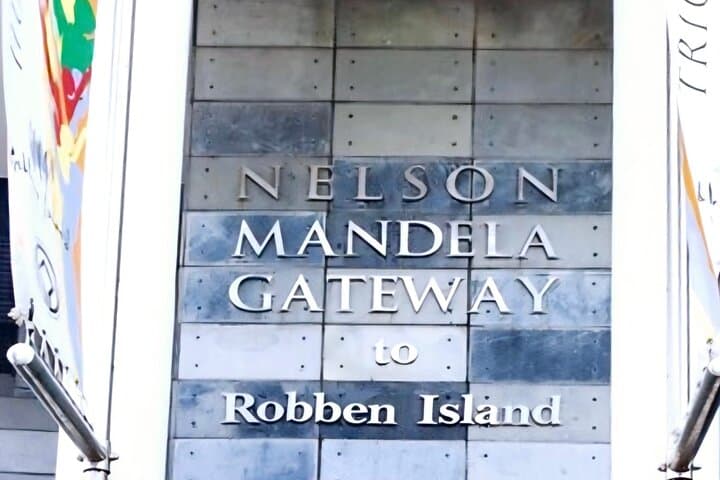
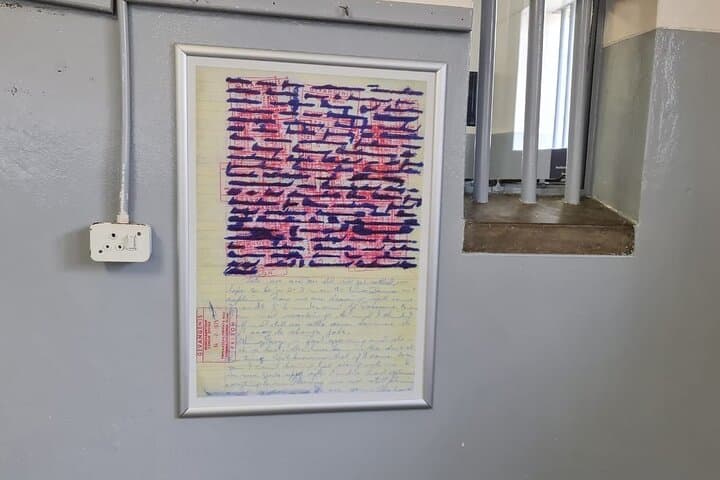
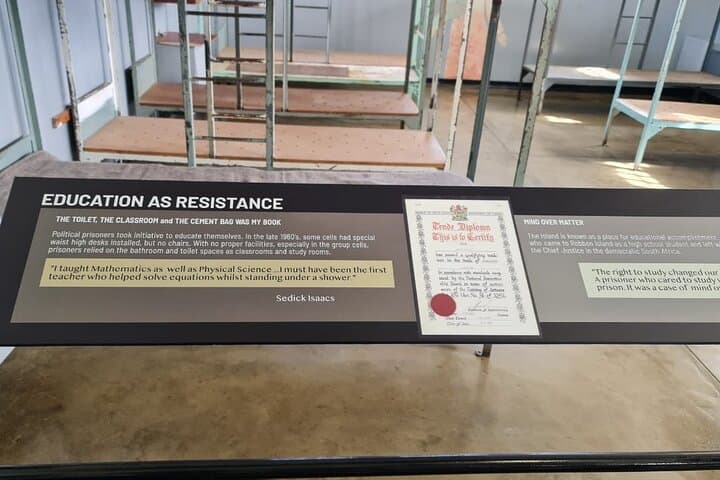
Robben Island served multiple roles—naval base, leper colony, prison—and its geology is straightforward: low-lying limestone and sedimentary rock with thin soils that support hardy scrub and seabird colonies. The museum tour, led by a former political prisoner, threads personal testimony into the island’s institutional past: how apartheid-era incarceration operated, how quarry labor marked daily life, and how Nelson Mandela spent 18 of his 27 years imprisoned here before becoming a global emblem of South Africa’s transition.
Culturally the tour is both civic ritual and remembrance; guides balance archive facts with lived memory. You'll see the quarry, prison cell rows, and WWII fortifications—places where landscape and policy intersect.
Practical guidance: allow 4–5 hours for the round trip including pickup; bring photo ID or passport for ferry boarding. Weather-driven cancellations are common—check forecasts and confirm pick-up the night before. Wear windproof layers, sturdy closed shoes for gravel and cobbles, and a hat for sun and spray. Respect museum rules: no touching cells, keep voices low, and follow guide directions. Pack water and motion-sickness remedies if prone to seasickness—the crossing can be brisk. The tour rewards patience: history here is blunt, human, and impossible to ignore.
Expect about 4–5 hours including hotel pickup, the ferry crossing, island tour, and return transfer; exact times depend on pickup location.
The ferry and island terrain present challenges; accessibility is limited—contact the operator ahead to discuss specific needs and pickup options.
Yes—infants are allowed but must sit on an adult’s lap for the ferry; bring necessary supplies as amenities on the island are limited.
Ferry sailings may be cancelled in rough conditions; the booking policy allows a full refund if cancelled at least 24 hours prior or in cases of operator cancellations due to weather.
CAPE COAST EXPLORE (PTY) LTD operates guided outdoor trips and adventures with an emphasis on safety, stewardship, and memorable experiences.

The ferry cuts through cold Atlantic swells as Cape Town's skyline shrinks behind you; wind tugs at your jacket and the island grows as a low, stony silhouette. On arrival, the island’s flat profile and wind-scoured shoreline set the tone: this is a place shaped by sea and by history.
The ferry cuts through cold Atlantic swells as Cape Town's skyline shrinks behind you; wind tugs at your jacket and the island grows as a low, stony silhouette. On arrival, the island’s flat profile and wind-scoured shoreline set the tone: this is a place shaped by sea and by history.
Robben Island served multiple roles—naval base, leper colony, prison—and its geology is straightforward: low-lying limestone and sedimentary rock with thin soils that support hardy scrub and seabird colonies. The museum tour, led by a former political prisoner, threads personal testimony into the island’s institutional past: how apartheid-era incarceration operated, how quarry labor marked daily life, and how Nelson Mandela spent 18 of his 27 years imprisoned here before becoming a global emblem of South Africa’s transition.
Culturally the tour is both civic ritual and remembrance; guides balance archive facts with lived memory. You'll see the quarry, prison cell rows, and WWII fortifications—places where landscape and policy intersect.
Practical guidance: allow 4–5 hours for the round trip including pickup; bring photo ID or passport for ferry boarding. Weather-driven cancellations are common—check forecasts and confirm pick-up the night before. Wear windproof layers, sturdy closed shoes for gravel and cobbles, and a hat for sun and spray. Respect museum rules: no touching cells, keep voices low, and follow guide directions. Pack water and motion-sickness remedies if prone to seasickness—the crossing can be brisk. The tour rewards patience: history here is blunt, human, and impossible to ignore.