THE ADVENTURE COLLECTIVE® · Independent discovery and booking for outdoor travel

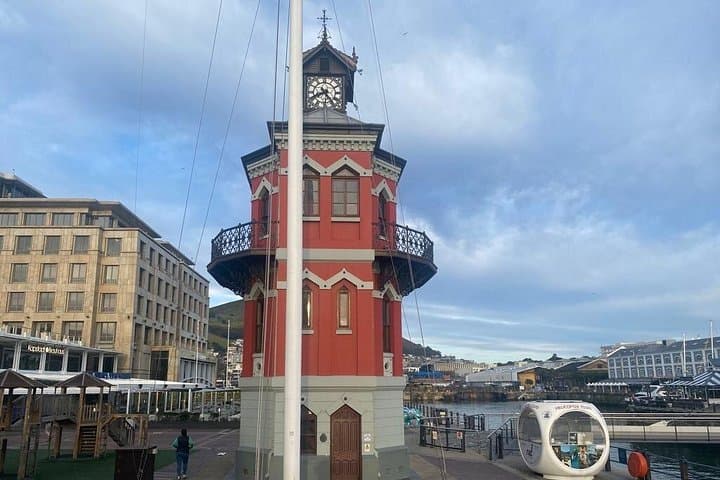
Board the ferry at the V&A Waterfront for a half-day visit to Robben Island. Guided by former political prisoners or expert guides, this tour combines a ferry ride with an in-depth visit to the prison and Mandela’s cell.
Board the ferry at the V&A Waterfront for a half-day visit to Robben Island. Guided by former political prisoners or expert guides, this tour combines a ferry ride with an in-depth visit to the prison and Mandela’s cell.
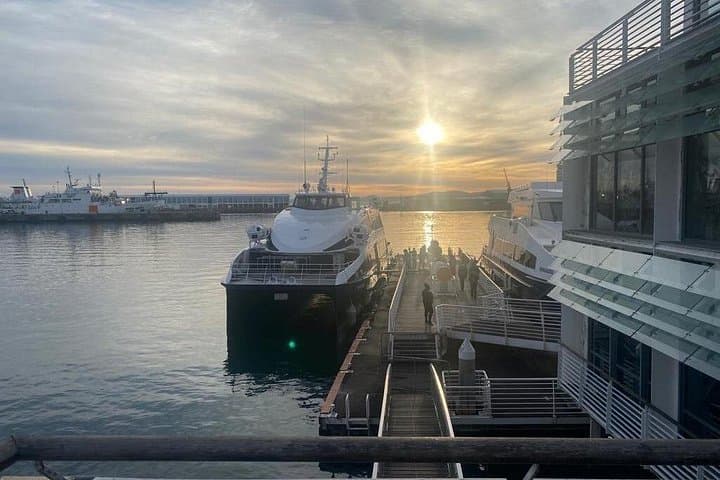
The ferry slips away from the V&A Waterfront and Cape Town’s skyline narrows to a jagged horizon; wind pushes across Table Bay and the island rises like a low, stony promise. Visitors step ashore into a place shaped by sea, limestone and a history that refuses to be forgotten.
Verified experiences and guided adventures in the surrounding area.
Operated by Kono tourism services · Cape Town, Western Cape
The ferry slips away from the V&A Waterfront and Cape Town’s skyline narrows to a jagged horizon; wind pushes across Table Bay and the island rises like a low, stony promise. Visitors step ashore into a place shaped by sea, limestone and a history that refuses to be forgotten.
Robben Island’s flat, windswept terrain was first used as a leper colony and military outpost before becoming South Africa’s most enduring symbol of the anti-apartheid struggle. The island’s geology—soft limestone quarried by prisoners—still shows the grooves of labor. Guides, often former political prisoners, pace the route from village ruins to the quarry, bringing oral history alive in plain, unsentimental detail.
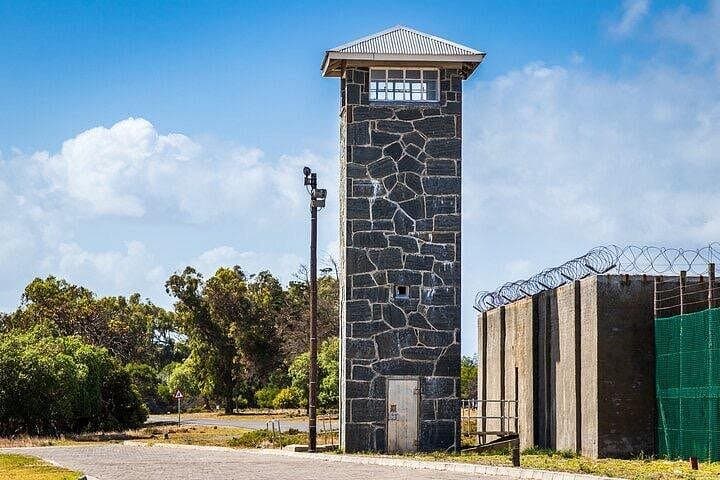
Culture here is both memory and instruction: the cell blocks, Nelson Mandela’s small cell, and the stark parade ground speak of containment and stubborn resilience. Seabirds wheel over the shores that once watched ships arrive and depart; currents and offshore winds shape every moment of the visit.
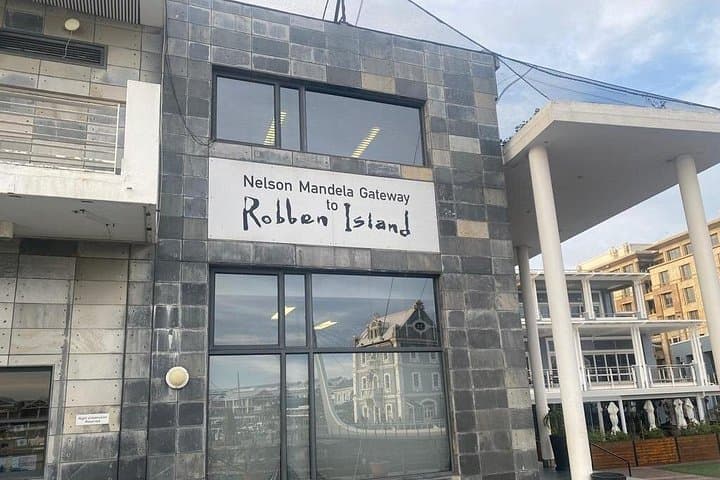
Practically, the excursion is a half-day commitment: ferry crossings of 30–45 minutes each way and a guided program on the island totaling about three hours. Expect uneven surfaces in the prison compound and open exposure on the island; layers and windproof outerwear matter more than flash photography. Bring ID or passport, arrive early at the Mandela Gateway, and plan for security checks and historic interpretation that can be emotionally heavy. The route is accessible, but the content of the tour demands attention—both to the landscape and to the stories it holds.
Yes — this tour includes pickup from participating Cape Town hotels; confirm your pickup point at booking.
Many areas and transport options are wheelchair accessible, but some historical sites have uneven surfaces—advise the operator of special requirements in advance.
The crossing typically takes 30–45 minutes each way, depending on sea conditions and the vessel used.
Guides are experienced historians or former political prisoners who share firsthand accounts and contextual history.
Kono tourism services operates guided outdoor trips and adventures with an emphasis on safety, stewardship, and memorable experiences.
The ferry slips away from the V&A Waterfront and Cape Town’s skyline narrows to a jagged horizon; wind pushes across Table Bay and the island rises like a low, stony promise. Visitors step ashore into a place shaped by sea, limestone and a history that refuses to be forgotten.
The ferry slips away from the V&A Waterfront and Cape Town’s skyline narrows to a jagged horizon; wind pushes across Table Bay and the island rises like a low, stony promise. Visitors step ashore into a place shaped by sea, limestone and a history that refuses to be forgotten.
Robben Island’s flat, windswept terrain was first used as a leper colony and military outpost before becoming South Africa’s most enduring symbol of the anti-apartheid struggle. The island’s geology—soft limestone quarried by prisoners—still shows the grooves of labor. Guides, often former political prisoners, pace the route from village ruins to the quarry, bringing oral history alive in plain, unsentimental detail.
Culture here is both memory and instruction: the cell blocks, Nelson Mandela’s small cell, and the stark parade ground speak of containment and stubborn resilience. Seabirds wheel over the shores that once watched ships arrive and depart; currents and offshore winds shape every moment of the visit.
Practically, the excursion is a half-day commitment: ferry crossings of 30–45 minutes each way and a guided program on the island totaling about three hours. Expect uneven surfaces in the prison compound and open exposure on the island; layers and windproof outerwear matter more than flash photography. Bring ID or passport, arrive early at the Mandela Gateway, and plan for security checks and historic interpretation that can be emotionally heavy. The route is accessible, but the content of the tour demands attention—both to the landscape and to the stories it holds.