THE ADVENTURE COLLECTIVE® · Independent discovery and booking for outdoor travel

Cross Table Bay to Robben Island for a guided half-day visit to Nelson Mandela’s former prison. This tour combines a scenic ferry ride with a focused, historically rich walk of the island’s prison, quarry, and shoreline.
Cross Table Bay to Robben Island for a guided half-day visit to Nelson Mandela’s former prison. This tour combines a scenic ferry ride with a focused, historically rich walk of the island’s prison, quarry, and shoreline.
You step onto the ferry with Table Mountain shrinking into a carved silhouette behind you, the Atlantic wind nudging the boat forward as the city’s skyline blurs and the island grows stern on the horizon.
Verified experiences and guided adventures in the surrounding area.
Operated by Buruburu Tours and Travel · Cape Town, Western Cape
You step onto the ferry with Table Mountain shrinking into a carved silhouette behind you, the Atlantic wind nudging the boat forward as the city’s skyline blurs and the island grows stern on the horizon.
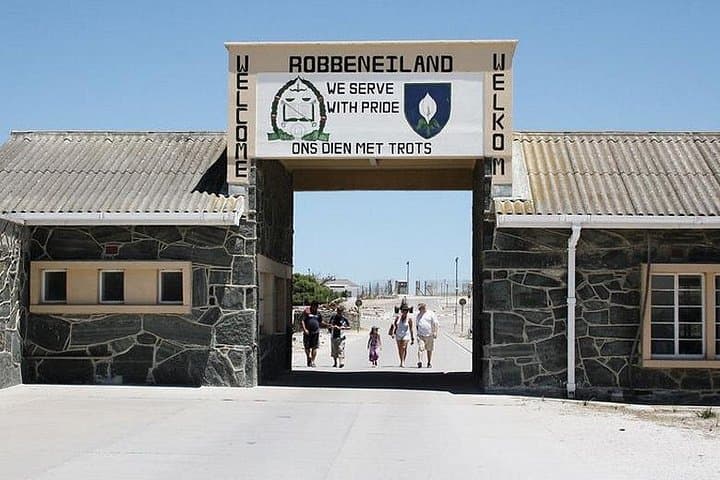
Robben Island’s low, windswept profile is both a landscape and a ledger: volcanic rock and Cape granite worn by waves, limestone quarry scars, and a compact network of paths that lead to the former prison. The site’s hard history—an 18-year incarceration of Nelson Mandela among many political prisoners—sits alongside older layers: early colonial fortifications, a leper cemetery, and a lighthouse that once guided ships through the bay.
Guided tours focus on the prison buildings and cell blocks, where interpreters weave personal accounts into the broader story of apartheid and South Africa’s path to democracy. Geologically, the island is a small outcrop of Table Mountain Group rocks and younger sediments, exposed to strong westerly winds and the Atlantic’s sculpting force; seabirds and seals claim rock shelves and surrounding waters.
Practical guidance: tours last about five hours including transfer time—book the 09:00 or 11:00 slots to avoid afternoon chop.
Wear windproof layers and sturdy shoes for uneven ground; ferries can be rough and the sun is strong even on cool days. Accessibility is generally good—paths and some buildings are adapted—but check with the operator if you need a wheelchair-friendly timetable. Bring water, a hat, and your passport for boarding. Time on the island is reflective; allow an extra hour in your schedule to absorb the views and the stories before the return ferry nudges you back toward Cape Town.
Total time is about 4–5 hours from central Cape Town including transfers; the ferry crossing is roughly 30–45 minutes each way depending on conditions.
Many areas and surfaces are accessible, but specific ferry boarding and some buildings may pose challenges—confirm accessibility needs with the operator at booking.
Yes—bring a passport or government-issued ID for boarding and ticket verification; international visitors should carry their passport.
Ferry sailings can be altered or cancelled for safety in poor sea conditions; operators will notify you and standard cancellation policies apply—book morning slots to reduce risk.
Buruburu Tours and Travel operates guided outdoor trips and adventures with an emphasis on safety, stewardship, and memorable experiences.

You step onto the ferry with Table Mountain shrinking into a carved silhouette behind you, the Atlantic wind nudging the boat forward as the city’s skyline blurs and the island grows stern on the horizon.
You step onto the ferry with Table Mountain shrinking into a carved silhouette behind you, the Atlantic wind nudging the boat forward as the city’s skyline blurs and the island grows stern on the horizon.
Robben Island’s low, windswept profile is both a landscape and a ledger: volcanic rock and Cape granite worn by waves, limestone quarry scars, and a compact network of paths that lead to the former prison. The site’s hard history—an 18-year incarceration of Nelson Mandela among many political prisoners—sits alongside older layers: early colonial fortifications, a leper cemetery, and a lighthouse that once guided ships through the bay.
Guided tours focus on the prison buildings and cell blocks, where interpreters weave personal accounts into the broader story of apartheid and South Africa’s path to democracy. Geologically, the island is a small outcrop of Table Mountain Group rocks and younger sediments, exposed to strong westerly winds and the Atlantic’s sculpting force; seabirds and seals claim rock shelves and surrounding waters.
Practical guidance: tours last about five hours including transfer time—book the 09:00 or 11:00 slots to avoid afternoon chop.
Wear windproof layers and sturdy shoes for uneven ground; ferries can be rough and the sun is strong even on cool days. Accessibility is generally good—paths and some buildings are adapted—but check with the operator if you need a wheelchair-friendly timetable. Bring water, a hat, and your passport for boarding. Time on the island is reflective; allow an extra hour in your schedule to absorb the views and the stories before the return ferry nudges you back toward Cape Town.