THE ADVENTURE COLLECTIVE® · Independent discovery and booking for outdoor travel

Cross Table Bay to Robben Island for a five-hour, guided visit that pairs a scenic ferry ride with a powerful history lesson led by former political prisoners. Learn about Nelson Mandela’s imprisonment, tour the prison grounds, and take in uncompromising coastal views.
Cross Table Bay to Robben Island for a five-hour, guided visit that pairs a scenic ferry ride with a powerful history lesson led by former political prisoners. Learn about Nelson Mandela’s imprisonment, tour the prison grounds, and take in uncompromising coastal views.
Boarding the ferry in Cape Town, the cityslides behind you and the water takes the lead — waves daring you to look back at Table Mountain’s broad face while the skyline shrinks. The crossing across Table Bay is brisk; the island’s low silhouette comes into focus before the real story does.
Verified experiences and guided adventures in the surrounding area.
Operated by Soleil Levant Transfers & Tours · Cape Town, Western Cape
Boarding the ferry in Cape Town, the cityslides behind you and the water takes the lead — waves daring you to look back at Table Mountain’s broad face while the skyline shrinks. The crossing across Table Bay is brisk; the island’s low silhouette comes into focus before the real story does.
Robben Island sits on Cape Town’s western edge, its limestone and dolerite bedrock scoured by ocean winds and the long arc of maritime history. Used intermittently as a fort, leper colony, and later a high-security prison, the island became a global symbol of South Africa’s struggle against apartheid. Guided walks are frequently led by former political prisoners, whose first-person accounts layer human scale onto the cold concrete of cells and guard posts.
Expect short walking sections on gravel and paved paths, sharp coastal winds, and sweeping views back to the peninsula. The tour balances history and landscape: prison yards, Mandela’s cell area, and lookouts where seabirds wheel overhead and seals haul out on rocks below. Cultural context is woven through with the island’s transformation from a place of isolation to one of memory and education.
Practicalities: the experience is a half-day (about five hours including transfers) with ferry slots in the morning; pickup and drop-off from Cape Town are usually included. Wear a windproof layer and sturdy shoes, bring sun protection and a small bottle of water, and allow time for security and boarding. Photography is allowed in most areas but follow guide directions. The island is protected — stay on designated paths and respect memorial sites for a meaningful visit.
The total experience runs about five hours including transfers, the ferry crossing and an on-island guided tour that covers the prison, key sites and viewpoints.
Yes — certified guides often include former political prisoners who share personal accounts alongside historical context.
Robben Island and its ferry services offer accessibility options, but some areas have uneven ground; notify providers in advance for arrangements.
Children are welcome; infants may need to sit on laps during parts of the tour and on the ferry. Check age rules with the operator when booking.
Soleil Levant Transfers & Tours operates guided outdoor trips and adventures with an emphasis on safety, stewardship, and memorable experiences.
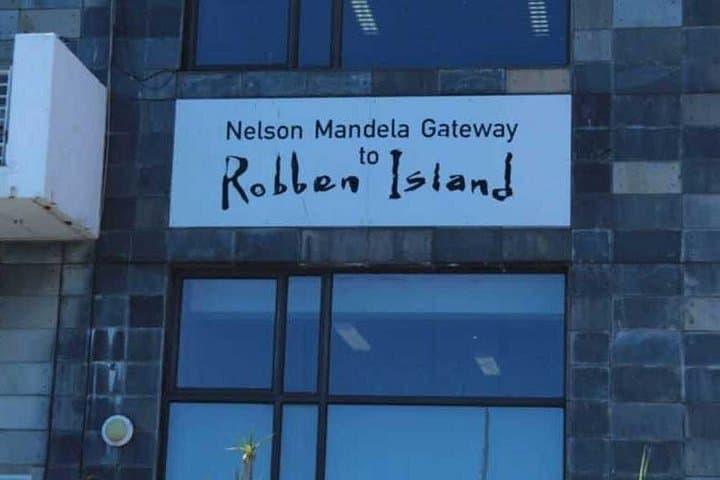

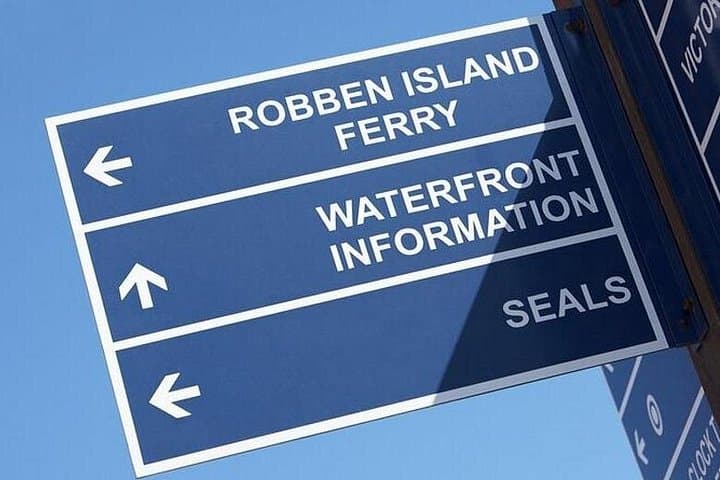

Boarding the ferry in Cape Town, the cityslides behind you and the water takes the lead — waves daring you to look back at Table Mountain’s broad face while the skyline shrinks. The crossing across Table Bay is brisk; the island’s low silhouette comes into focus before the real story does.
Boarding the ferry in Cape Town, the cityslides behind you and the water takes the lead — waves daring you to look back at Table Mountain’s broad face while the skyline shrinks. The crossing across Table Bay is brisk; the island’s low silhouette comes into focus before the real story does.
Robben Island sits on Cape Town’s western edge, its limestone and dolerite bedrock scoured by ocean winds and the long arc of maritime history. Used intermittently as a fort, leper colony, and later a high-security prison, the island became a global symbol of South Africa’s struggle against apartheid. Guided walks are frequently led by former political prisoners, whose first-person accounts layer human scale onto the cold concrete of cells and guard posts.
Expect short walking sections on gravel and paved paths, sharp coastal winds, and sweeping views back to the peninsula. The tour balances history and landscape: prison yards, Mandela’s cell area, and lookouts where seabirds wheel overhead and seals haul out on rocks below. Cultural context is woven through with the island’s transformation from a place of isolation to one of memory and education.
Practicalities: the experience is a half-day (about five hours including transfers) with ferry slots in the morning; pickup and drop-off from Cape Town are usually included. Wear a windproof layer and sturdy shoes, bring sun protection and a small bottle of water, and allow time for security and boarding. Photography is allowed in most areas but follow guide directions. The island is protected — stay on designated paths and respect memorial sites for a meaningful visit.