THE ADVENTURE COLLECTIVE® · Independent discovery and booking for outdoor travel

Step aboard a short ferry from Cape Town to Robben Island, where guided tours through former prison cells and quarries reveal the story of Nelson Mandela and South Africa’s struggle for freedom. This concise half-day trip blends a dramatic harbor crossing with deeply personal history.
Step aboard a short ferry from Cape Town to Robben Island, where guided tours through former prison cells and quarries reveal the story of Nelson Mandela and South Africa’s struggle for freedom. This concise half-day trip blends a dramatic harbor crossing with deeply personal history.
The ferry slips away from the V&A Waterfront and the city’s outline shrinks until the wind and sea become the dominant voices. Salt spray and a steady swell set the mood as Robben Island’s low profile emerges—flat rock, a pale lighthouse, and the squat buildings that once held political prisoners.
Verified experiences and guided adventures in the surrounding area.
Operated by Cape Horizon Tours · Cape Town, Western Cape
The ferry slips away from the V&A Waterfront and the city’s outline shrinks until the wind and sea become the dominant voices. Salt spray and a steady swell set the mood as Robben Island’s low profile emerges—flat rock, a pale lighthouse, and the squat buildings that once held political prisoners.
This half-day tour pairs a brisk harbor crossing with a museum-led walk through one of South Africa’s most charged historical sites. Robben Island was a prison for centuries and the most famous cell block held Nelson Mandela for 18 of his 27 years in detention. The landscape itself is geological: wind-polished sandstone, limestone quarries gouged by forced labor, and windswept scrub that has, over time, shaped both the island’s look and its stories.
Guided tours—often led by former inmates or trained guides—move from the dock to the quarry, through the cellblocks and to Mandela’s small cell, offering firsthand perspectives that are both intimate and expansive. Offshore, seabirds wheel and the currents seem to push visitors back toward the mainland, reminding you this is both a natural place and a historical classroom.
Practicalities: the full experience runs about five hours including hotel pickup, ferry crossings and museum time. Wear sturdy, flat shoes for uneven paths, bring sun protection and a light windproof layer—the ocean breeze can be sharp even on warm days. Photography is permitted in most areas but follow guide instructions in sensitive zones. The museum encourages respectful behavior; keep voices low in the cell blocks and allow time to process the narratives you’ll hear.
The scheduled duration is about five hours total including hotel pickup, ferry crossings and the Robben Island Museum experience.
Yes; the tour listing indicates wheelchair-accessible transfer and surfaces, but confirm specific accessibility needs at booking.
Guides are museum staff and often include former inmates or trained interpreters who provide historical context and personal testimony.
Photography is generally allowed in outdoor areas and museum exhibits, but follow guide directions and avoid photographing in restricted or sensitive zones.
Cape Horizon Tours operates guided outdoor trips and adventures with an emphasis on safety, stewardship, and memorable experiences.
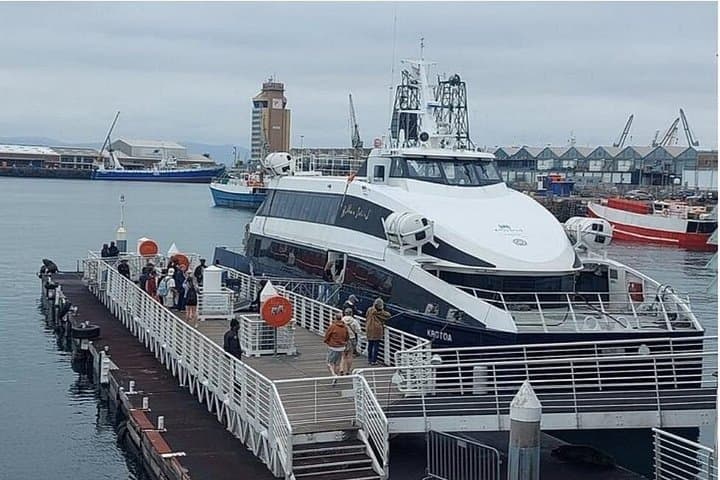
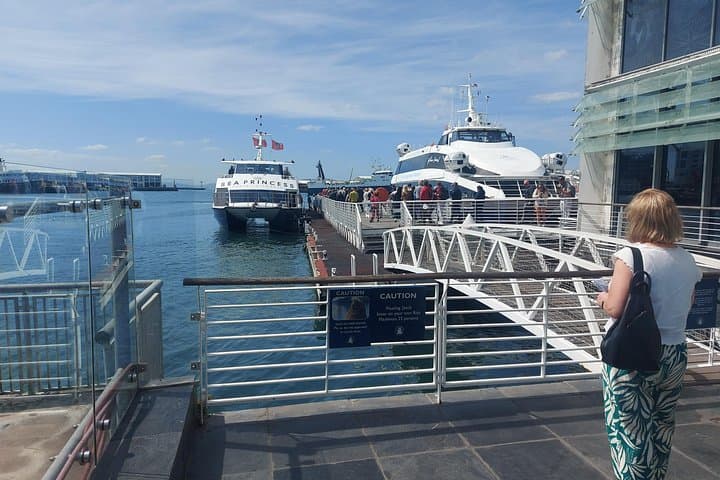
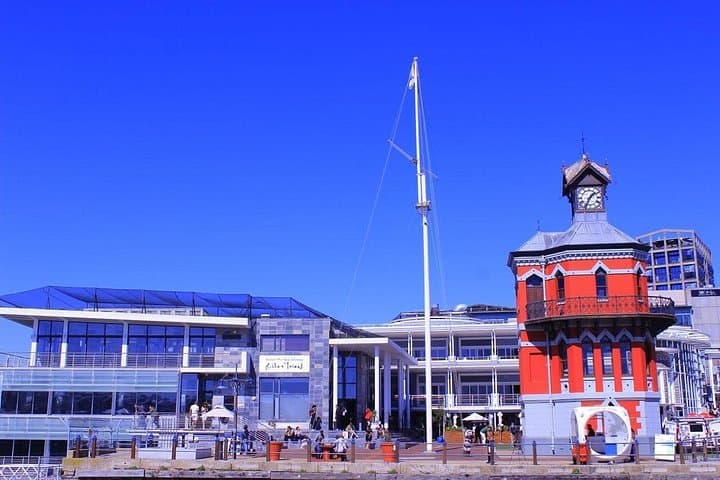
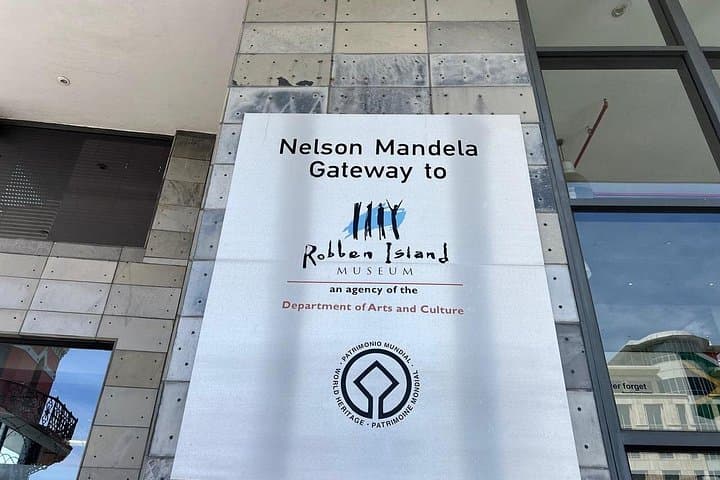
The ferry slips away from the V&A Waterfront and the city’s outline shrinks until the wind and sea become the dominant voices. Salt spray and a steady swell set the mood as Robben Island’s low profile emerges—flat rock, a pale lighthouse, and the squat buildings that once held political prisoners.
The ferry slips away from the V&A Waterfront and the city’s outline shrinks until the wind and sea become the dominant voices. Salt spray and a steady swell set the mood as Robben Island’s low profile emerges—flat rock, a pale lighthouse, and the squat buildings that once held political prisoners.
This half-day tour pairs a brisk harbor crossing with a museum-led walk through one of South Africa’s most charged historical sites. Robben Island was a prison for centuries and the most famous cell block held Nelson Mandela for 18 of his 27 years in detention. The landscape itself is geological: wind-polished sandstone, limestone quarries gouged by forced labor, and windswept scrub that has, over time, shaped both the island’s look and its stories.
Guided tours—often led by former inmates or trained guides—move from the dock to the quarry, through the cellblocks and to Mandela’s small cell, offering firsthand perspectives that are both intimate and expansive. Offshore, seabirds wheel and the currents seem to push visitors back toward the mainland, reminding you this is both a natural place and a historical classroom.
Practicalities: the full experience runs about five hours including hotel pickup, ferry crossings and museum time. Wear sturdy, flat shoes for uneven paths, bring sun protection and a light windproof layer—the ocean breeze can be sharp even on warm days. Photography is permitted in most areas but follow guide instructions in sensitive zones. The museum encourages respectful behavior; keep voices low in the cell blocks and allow time to process the narratives you’ll hear.