THE ADVENTURE COLLECTIVE® · Independent discovery and booking for outdoor travel

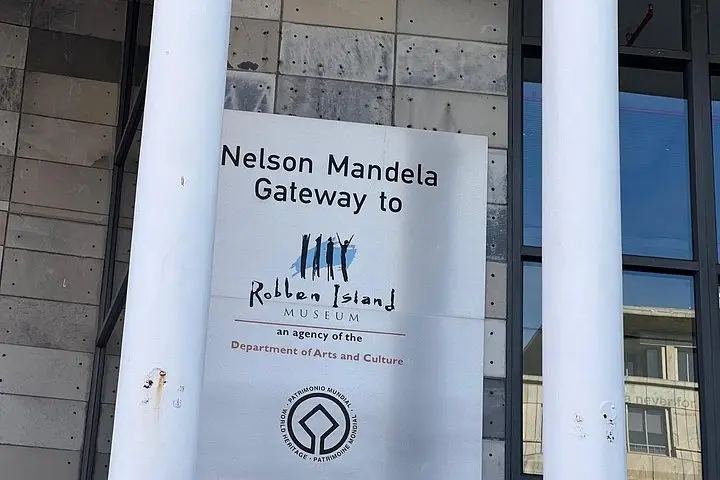
Cross Table Bay to Robben Island for a compact, powerful half‑day that pairs raw coastal scenery with the prison where Nelson Mandela served 18 years. Expect moving guided tours, museum exhibits, and wind-swept views back to Cape Town.
Cross Table Bay to Robben Island for a compact, powerful half‑day that pairs raw coastal scenery with the prison where Nelson Mandela served 18 years. Expect moving guided tours, museum exhibits, and wind-swept views back to Cape Town.
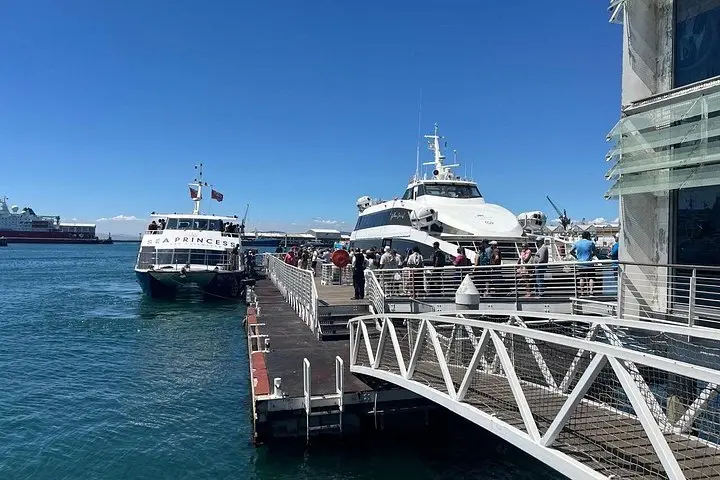
The ferry pushes away from the Victoria & Alfred Waterfront and the city skyline recedes, Table Mountain holding its place like a weathered guardian as the Atlantic tugs at the hull.
Verified experiences and guided adventures in the surrounding area.
Operated by Trip Tastic Tour · Cape Town, Western Cape
The ferry pushes away from the Victoria & Alfred Waterfront and the city skyline recedes, Table Mountain holding its place like a weathered guardian as the Atlantic tugs at the hull.
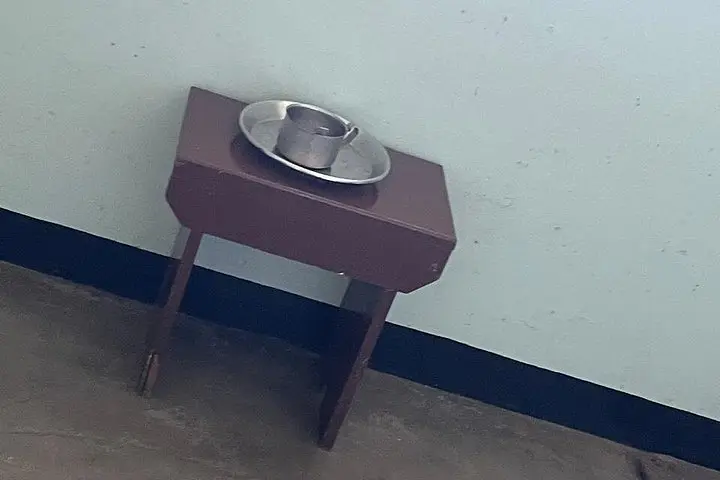
On arrival the island’s exposed rock, low buildings and whitewashed walls set a blunt, instructive stage. Robben Island’s most visible story is its role as a political prison where Nelson Mandela and other anti-apartheid activists were held; former inmates often guide tours and give first-hand accounts that anchor the visit in lived history. The museum and preserved cells show the system of confinement, while the shoreline and quarry areas reveal a working island shaped by geology and human industry.
Culturally, the island is both memorial and classroom — rituals of remembrance sit beside traces of daily life from earlier decades. Birdlife and seals are frequent companions along the ferry approach and on the rocky coast, reminding visitors this is a living marine environment as well as a historical site.
Practical notes: the half-day tour runs roughly 5–6 hours including round-trip transfer from central Cape Town; ferries commonly depart in morning slots. Bring your passport (required for admission), layers for wind and spray, and motion-sickness remedies if you’re sensitive to choppy waters. Photography is welcome but follow guide directions in restricted areas. Mobility access is available but check specifics if you use a wheelchair — the island has uneven surfaces.
Timing your visit for calmer seas and quieter ferry slots will make the difference between a rushed stop and a reflective, memorable visit.
The tour lists wheelchair accessibility, but some paths and historical areas are uneven; contact the operator ahead to confirm access and assistance.
Yes — a valid passport is generally required for admission to the island and should be carried on the day of travel.
Crossing times vary with conditions but typically take 30–40 minutes each way from the V&A Waterfront to Robben Island.
Many museum tours on Robben Island are led by former political prisoners or trained guides who share personal histories and contextual information.
Trip Tastic Tour operates guided outdoor trips and adventures with an emphasis on safety, stewardship, and memorable experiences.

The ferry pushes away from the Victoria & Alfred Waterfront and the city skyline recedes, Table Mountain holding its place like a weathered guardian as the Atlantic tugs at the hull.
The ferry pushes away from the Victoria & Alfred Waterfront and the city skyline recedes, Table Mountain holding its place like a weathered guardian as the Atlantic tugs at the hull.
On arrival the island’s exposed rock, low buildings and whitewashed walls set a blunt, instructive stage. Robben Island’s most visible story is its role as a political prison where Nelson Mandela and other anti-apartheid activists were held; former inmates often guide tours and give first-hand accounts that anchor the visit in lived history. The museum and preserved cells show the system of confinement, while the shoreline and quarry areas reveal a working island shaped by geology and human industry.
Culturally, the island is both memorial and classroom — rituals of remembrance sit beside traces of daily life from earlier decades. Birdlife and seals are frequent companions along the ferry approach and on the rocky coast, reminding visitors this is a living marine environment as well as a historical site.
Practical notes: the half-day tour runs roughly 5–6 hours including round-trip transfer from central Cape Town; ferries commonly depart in morning slots. Bring your passport (required for admission), layers for wind and spray, and motion-sickness remedies if you’re sensitive to choppy waters. Photography is welcome but follow guide directions in restricted areas. Mobility access is available but check specifics if you use a wheelchair — the island has uneven surfaces.
Timing your visit for calmer seas and quieter ferry slots will make the difference between a rushed stop and a reflective, memorable visit.