THE ADVENTURE COLLECTIVE® · Independent discovery and booking for outdoor travel

Cross Table Bay to visit Robben Island’s prison cells and quarry, then see the Castle of Good Hope and finish at the V&A Waterfront. This half-day tour pairs powerful history with a short, wind-swept ferry ride.
Cross Table Bay to visit Robben Island’s prison cells and quarry, then see the Castle of Good Hope and finish at the V&A Waterfront. This half-day tour pairs powerful history with a short, wind-swept ferry ride.
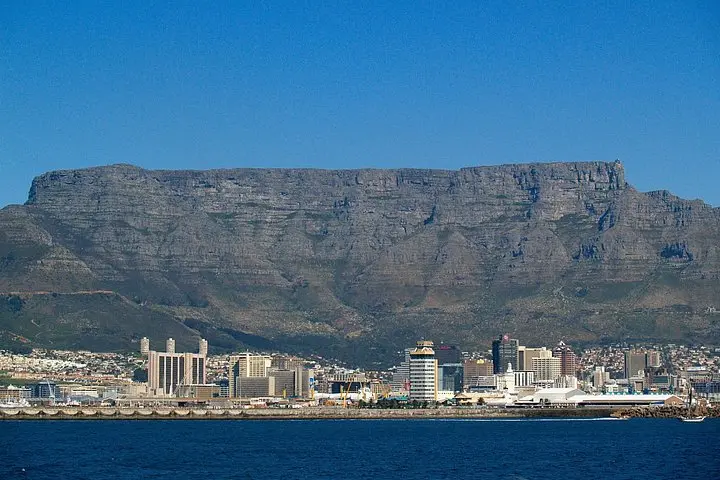
The ferry cuts a cool line through Table Bay and the city drops behind you—Table Mountain a broad shoulder on the horizon—before Robben Island rises from the flat gray of sea and wind.
Verified experiences and guided adventures in the surrounding area.
Operated by And Untamed Travel · Cape Town, Western Cape
The ferry cuts a cool line through Table Bay and the city drops behind you—Table Mountain a broad shoulder on the horizon—before Robben Island rises from the flat gray of sea and wind.
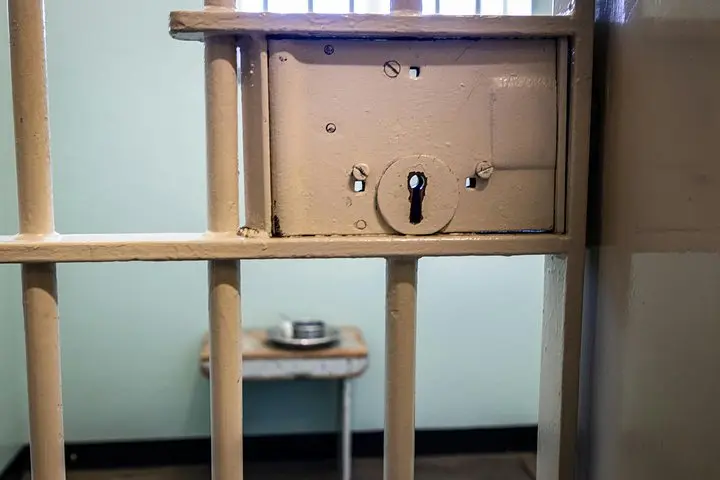
On arrival a guide leads the group across scrubby flats toward the low, whitewashed prison buildings. The island’s salt-scrub soil and wind-scoured rock record a layered history: a Dutch supply station and military post, a leper colony in the 17th–18th centuries, and later the maximum-security prison that held Nelson Mandela and other political prisoners. Robben Island is a UNESCO World Heritage site; its cages, quarry scars and the route from cell to yard read like pages in South Africa’s recent history.
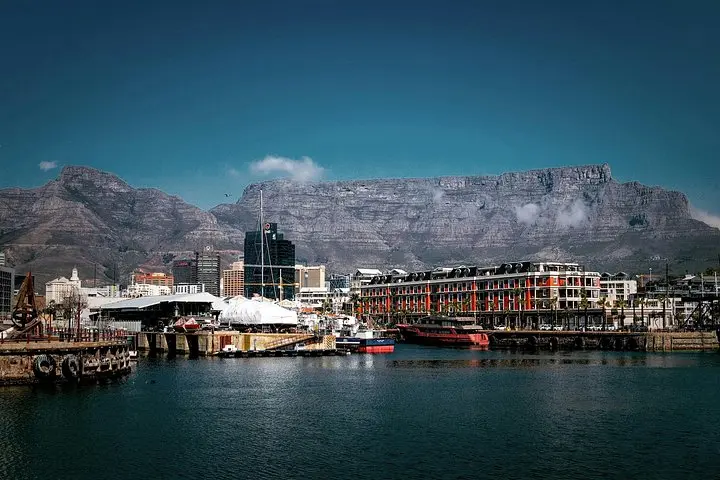
The tour typically includes a stop at the Castle of Good Hope back in Cape Town—one of the country’s oldest colonial structures—and finishes with drop-off at the V&A Waterfront for lunch or shopping.
Practicalities: allow roughly five hours for pickup, crossing, guided island time and return. Bring a windproof layer—the bay is often colder than the city—and plan for security checks and walking between exhibits on uneven ground. Photography is allowed in most areas but follow guide instructions in restricted zones. If you’re prone to seasickness, take meds before boarding; if mobility is limited, check accessibility options with the operator beforehand. Arrive with valid ID or passport for boarding clearance, and leave time at the Waterfront for a relaxed meal after the ferry ride.
This half-day balances a tight historical narrative with the raw physicality of island landscape, giving a compact but meaningful window into South Africa’s past.
Yes—ferry operators usually require valid photo ID or passport for boarding and museum registration, so bring it.
The crossing is about 30–45 minutes each way depending on weather and sea conditions.
Accessibility is limited in parts of the island due to historical buildings and uneven terrain; check with the operator in advance for specific accommodations.
Photography rules vary—guides will indicate restricted areas; cell interiors are often photographed respectfully but follow instructions in sensitive zones.
And Untamed Travel operates guided outdoor trips and adventures with an emphasis on safety, stewardship, and memorable experiences.

The ferry cuts a cool line through Table Bay and the city drops behind you—Table Mountain a broad shoulder on the horizon—before Robben Island rises from the flat gray of sea and wind.
The ferry cuts a cool line through Table Bay and the city drops behind you—Table Mountain a broad shoulder on the horizon—before Robben Island rises from the flat gray of sea and wind.
On arrival a guide leads the group across scrubby flats toward the low, whitewashed prison buildings. The island’s salt-scrub soil and wind-scoured rock record a layered history: a Dutch supply station and military post, a leper colony in the 17th–18th centuries, and later the maximum-security prison that held Nelson Mandela and other political prisoners. Robben Island is a UNESCO World Heritage site; its cages, quarry scars and the route from cell to yard read like pages in South Africa’s recent history.
The tour typically includes a stop at the Castle of Good Hope back in Cape Town—one of the country’s oldest colonial structures—and finishes with drop-off at the V&A Waterfront for lunch or shopping.
Practicalities: allow roughly five hours for pickup, crossing, guided island time and return. Bring a windproof layer—the bay is often colder than the city—and plan for security checks and walking between exhibits on uneven ground. Photography is allowed in most areas but follow guide instructions in restricted zones. If you’re prone to seasickness, take meds before boarding; if mobility is limited, check accessibility options with the operator beforehand. Arrive with valid ID or passport for boarding clearance, and leave time at the Waterfront for a relaxed meal after the ferry ride.
This half-day balances a tight historical narrative with the raw physicality of island landscape, giving a compact but meaningful window into South Africa’s past.