THE ADVENTURE COLLECTIVE® · Independent discovery and booking for outdoor travel

Take a guided, small-group journey to Robben Island and the Long Walk to Freedom exhibit to trace Nelson Mandela’s incarceration and South Africa’s struggle for equality. This full-day tour from Cape Town blends ferry crossings, first‑person testimony and museum displays for a concentrated dose of history.
Take a guided, small-group journey to Robben Island and the Long Walk to Freedom exhibit to trace Nelson Mandela’s incarceration and South Africa’s struggle for equality. This full-day tour from Cape Town blends ferry crossings, first‑person testimony and museum displays for a concentrated dose of history.
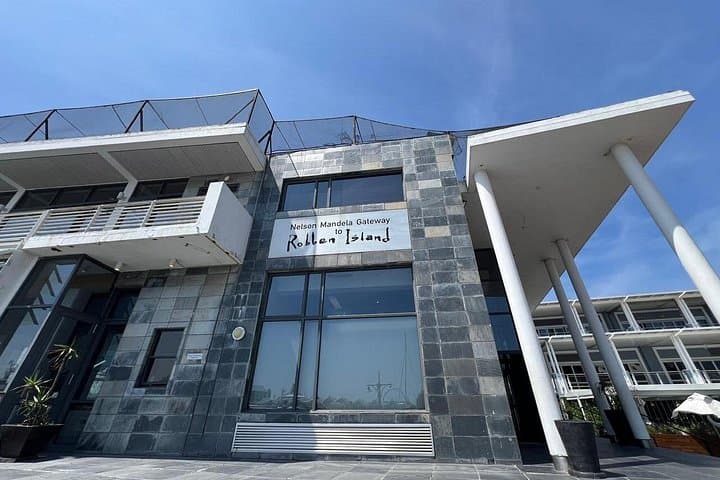
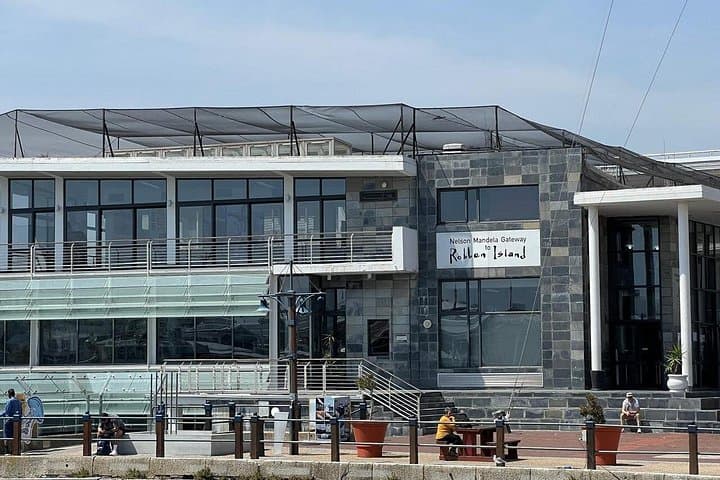
The ferry slips away from the Victoria & Alfred Waterfront with a salt wind that seems to push history into view. On the horizon Robben Island sits low and blunt against the sky—an island that once held dissent behind stone walls and now opens those same walls to travelers listening for the voices of the past.
Verified experiences and guided adventures in the surrounding area.
Operated by Safari Private Tours. · Cape Town, Western Cape
The ferry slips away from the Victoria & Alfred Waterfront with a salt wind that seems to push history into view. On the horizon Robben Island sits low and blunt against the sky—an island that once held dissent behind stone walls and now opens those same walls to travelers listening for the voices of the past.
Visitors step from harbour into guided narratives: former prisoners recall daily routines, guards’ routes and the long arc of resistance that built South Africa’s modern democracy. Geologically the island is a flat, wind-scoured outcrop in Table Bay; its exposed limestone and rocky foreshore bear the imprint of currents and storms that shaped local shipping lanes for centuries. Culturally, Robben Island and the Long Walk to Freedom exhibit together trace apartheid’s legal architecture and the grassroots movements that dismantled it.
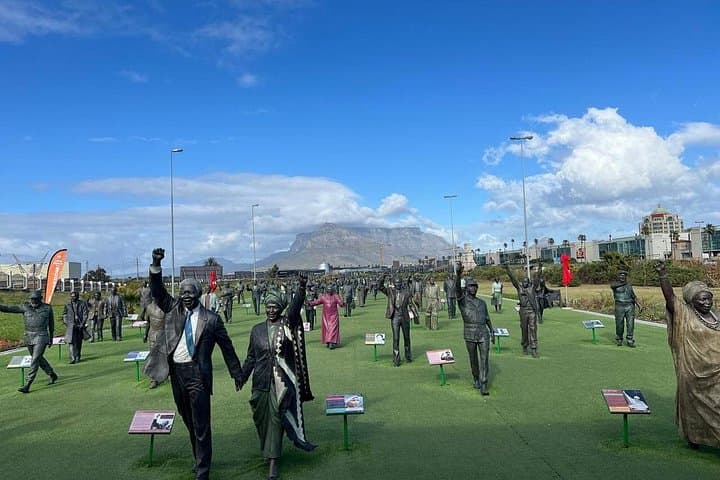
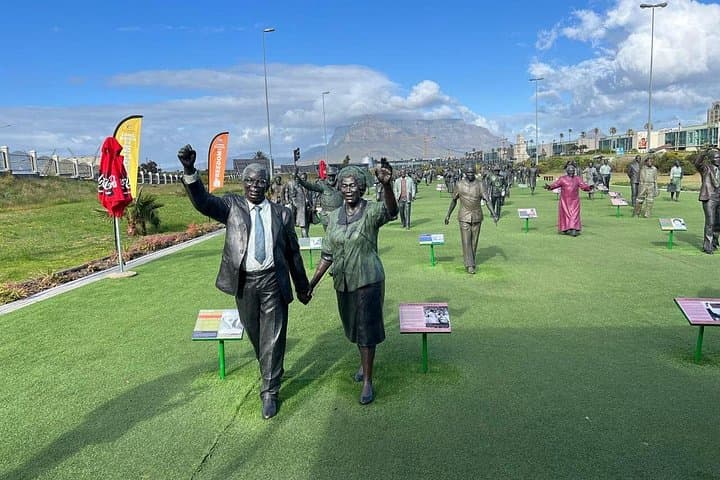
The day is structured—hotel pickup in Cape Town, ferry crossing, a 3–4 hour island program including the prison visit, then the Long Walk to Freedom exhibit back on the mainland. Expect concrete yards, cell blocks, and first-person testimony delivered with quiet authority. Practicalities matter: crossings can be choppy, the wind bites, and guided segments follow strict schedules tied to island ferry slots.
Bring a charged camera, layers for wind and sun, and time to process the visit; wear comfortable walking shoes and carry ID for island access. The tour is accessible and suitable for most fitness levels, but keep in mind the emotional weight of the sites—this is a day of learning as much as sightseeing.
Yes — the operator lists wheelchair accessibility for main areas, though some historic structures may have limited access; check specifics during booking.
The ferry crossing from the V&A Waterfront to Robben Island typically takes about 30–45 minutes depending on conditions.
Many island guides are former inmates or historians who offer first-hand accounts and contextual interpretation, though not every guide will be a former prisoner.
Children are allowed but the content can be emotionally heavy; infants can ride in strollers and the tour is suitable for most ages with parental discretion.
Safari Private Tours. operates guided outdoor trips and adventures with an emphasis on safety, stewardship, and memorable experiences.
The ferry slips away from the Victoria & Alfred Waterfront with a salt wind that seems to push history into view. On the horizon Robben Island sits low and blunt against the sky—an island that once held dissent behind stone walls and now opens those same walls to travelers listening for the voices of the past.
The ferry slips away from the Victoria & Alfred Waterfront with a salt wind that seems to push history into view. On the horizon Robben Island sits low and blunt against the sky—an island that once held dissent behind stone walls and now opens those same walls to travelers listening for the voices of the past.
Visitors step from harbour into guided narratives: former prisoners recall daily routines, guards’ routes and the long arc of resistance that built South Africa’s modern democracy. Geologically the island is a flat, wind-scoured outcrop in Table Bay; its exposed limestone and rocky foreshore bear the imprint of currents and storms that shaped local shipping lanes for centuries. Culturally, Robben Island and the Long Walk to Freedom exhibit together trace apartheid’s legal architecture and the grassroots movements that dismantled it.
The day is structured—hotel pickup in Cape Town, ferry crossing, a 3–4 hour island program including the prison visit, then the Long Walk to Freedom exhibit back on the mainland. Expect concrete yards, cell blocks, and first-person testimony delivered with quiet authority. Practicalities matter: crossings can be choppy, the wind bites, and guided segments follow strict schedules tied to island ferry slots.
Bring a charged camera, layers for wind and sun, and time to process the visit; wear comfortable walking shoes and carry ID for island access. The tour is accessible and suitable for most fitness levels, but keep in mind the emotional weight of the sites—this is a day of learning as much as sightseeing.