THE ADVENTURE COLLECTIVE® · Independent discovery and booking for outdoor travel

Board the ferry from the V&A Waterfront to Robben Island and walk through the prison where Nelson Mandela was held. This four-hour combined ferry and guided tour blends powerful history with raw coastal scenery.
Board the ferry from the V&A Waterfront to Robben Island and walk through the prison where Nelson Mandela was held. This four-hour combined ferry and guided tour blends powerful history with raw coastal scenery.
The ferry slips away from the Clock Tower at the V&A Waterfront and Table Bay takes on a voice of its own — wind pushing across the water, gulls calling as the island resolves from the horizon. Visitors step ashore onto a flat, wind-swept landscape where concrete ruins, a lighthouse and quarry pits mark human history against raw coastal exposure.
Verified experiences and guided adventures in the surrounding area.
Operated by Robben Island Museum. · Cape Town, Western Cape
The ferry slips away from the Clock Tower at the V&A Waterfront and Table Bay takes on a voice of its own — wind pushing across the water, gulls calling as the island resolves from the horizon. Visitors step ashore onto a flat, wind-swept landscape where concrete ruins, a lighthouse and quarry pits mark human history against raw coastal exposure.
Robben Island is as much a site of geology and maritime weather as it is a historic prison. Its low-lying rock and quarry terraces tell of industrial use before the island became a place of incarceration. Most famously, it held political prisoners during apartheid; Nelson Mandela served many years here and former inmates often lead tours, shaping the story with first-hand testimony.
The cultural weight is immediate: cell blocks, the communal yard, and a small cemetery that hold stories of resistance and daily endurance. Seabirds wheel above and the bay dares you to feel the chill; currents and wind shaped how people were ferried here and how they endured.
Practical guidance: the full experience includes the ferry crossing, an island bus loop and a guided prison visit — plan for about four hours door-to-door. Bring photo ID and the passport copy required for booking, dress in layers for strong coastal winds, and wear sturdy shoes for uneven surfaces. Tours run year-round but winter seas can be rough; follow signage, listen to guides, and respect restricted areas to protect both cultural heritage and seabird nesting sites.
Plan approximately four hours including ferry crossing, a bus loop of the island, and the guided prison visit.
Many tours include guides who are former political prisoners or staff; this varies by departure but is a common and powerful feature of the experience.
The island and museum provide accessibility features and wheelchair-accessible areas, though some older structures and outdoor paths may be uneven—check with operators for specifics.
Bookings are typically non-refundable and subject to operator rules; ferries may be canceled in bad weather and refunds or reschedules depend on the provider’s policy.
Robben Island Museum. operates guided outdoor trips and adventures with an emphasis on safety, stewardship, and memorable experiences.
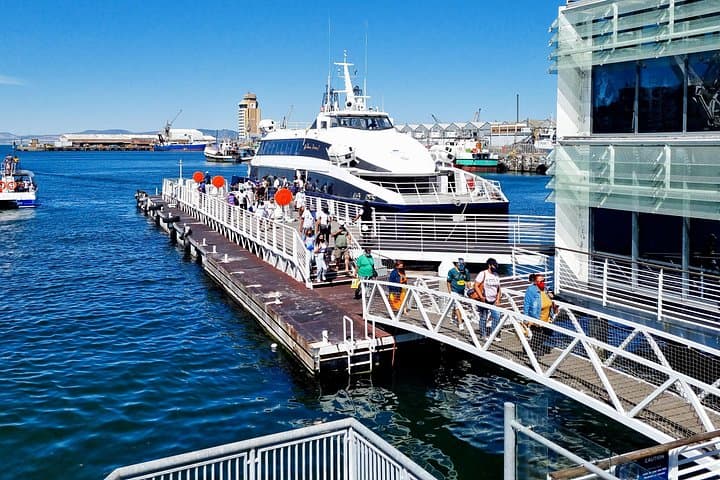
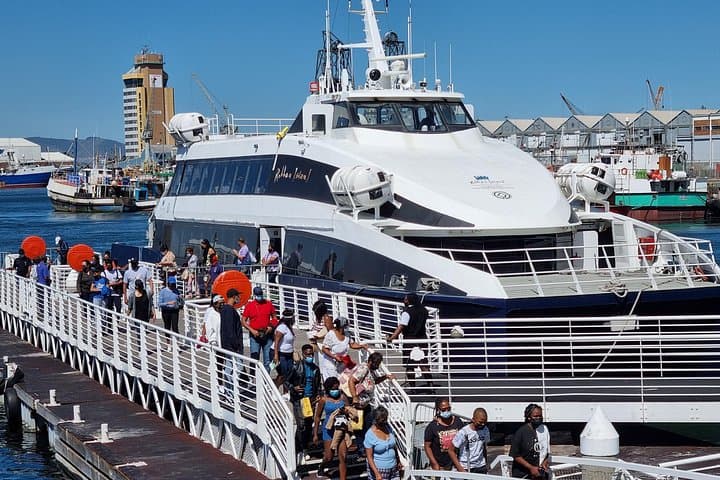
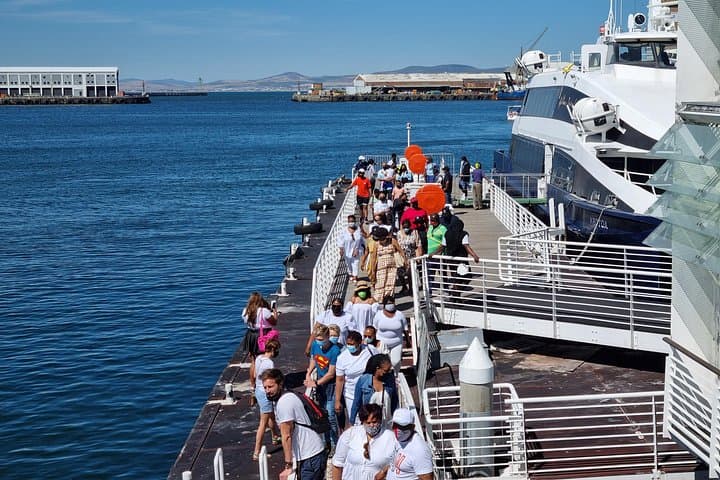
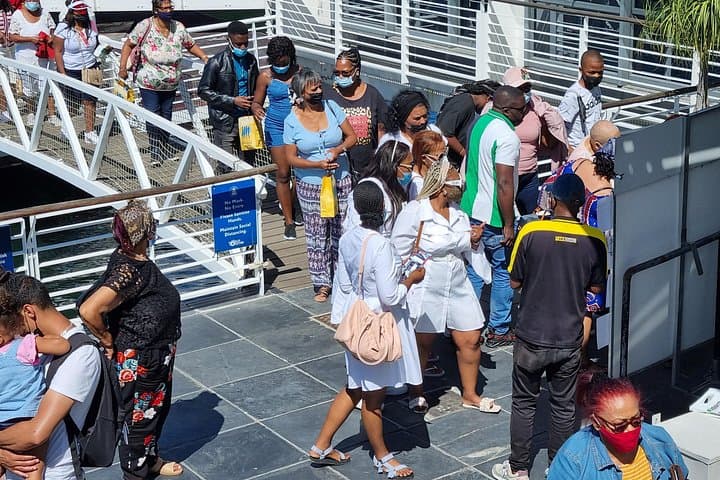
The ferry slips away from the Clock Tower at the V&A Waterfront and Table Bay takes on a voice of its own — wind pushing across the water, gulls calling as the island resolves from the horizon. Visitors step ashore onto a flat, wind-swept landscape where concrete ruins, a lighthouse and quarry pits mark human history against raw coastal exposure.
The ferry slips away from the Clock Tower at the V&A Waterfront and Table Bay takes on a voice of its own — wind pushing across the water, gulls calling as the island resolves from the horizon. Visitors step ashore onto a flat, wind-swept landscape where concrete ruins, a lighthouse and quarry pits mark human history against raw coastal exposure.
Robben Island is as much a site of geology and maritime weather as it is a historic prison. Its low-lying rock and quarry terraces tell of industrial use before the island became a place of incarceration. Most famously, it held political prisoners during apartheid; Nelson Mandela served many years here and former inmates often lead tours, shaping the story with first-hand testimony.
The cultural weight is immediate: cell blocks, the communal yard, and a small cemetery that hold stories of resistance and daily endurance. Seabirds wheel above and the bay dares you to feel the chill; currents and wind shaped how people were ferried here and how they endured.
Practical guidance: the full experience includes the ferry crossing, an island bus loop and a guided prison visit — plan for about four hours door-to-door. Bring photo ID and the passport copy required for booking, dress in layers for strong coastal winds, and wear sturdy shoes for uneven surfaces. Tours run year-round but winter seas can be rough; follow signage, listen to guides, and respect restricted areas to protect both cultural heritage and seabird nesting sites.