THE ADVENTURE COLLECTIVE® · Independent discovery and booking for outdoor travel

Take the short ferry from Cape Town to Robben Island for a guided prison tour led by former prisoners or warders, a visit to Nelson Mandela's cell, and shoreline wildlife viewing. This four-hour excursion combines stark history with close-up encounters with penguins, seals and coastal views of Table Mountain.
Take the short ferry from Cape Town to Robben Island for a guided prison tour led by former prisoners or warders, a visit to Nelson Mandela's cell, and shoreline wildlife viewing. This four-hour excursion combines stark history with close-up encounters with penguins, seals and coastal views of Table Mountain.
The ferry slices across Table Bay and the wind pushes you toward a low, rocky island where history still breathes from stone.
Verified experiences and guided adventures in the surrounding area.
Operated by Figo Travel and Tours · Robben Island, Western Cape
The ferry slices across Table Bay and the wind pushes you toward a low, rocky island where history still breathes from stone.
On arrival the island's shore greets you with salt and squawk — African penguins patrolling the rocks, the sea daring you to look away, and a bus route that threads visitors through cells, guard posts and the lime quarry. Guides on this tour are often former prisoners or warders; their voices map personal memory onto the concrete corridors. The walk to Nelson Mandela's cell is concise but heavy with context: a narrow space preserved to reveal daily life under apartheid.
Robben Island is both geological marker and cultural archive — a flattened volcanic remnant off Cape Town shaped by waves and quarrying, later converted into a maximum security prison. The museum's exhibits frame the struggle and the island's role in South Africa's political history, while the lime quarry and Minto Battery show how labor and defense were intertwined.
Practically: the whole experience takes about four hours including round-trip ferry, guided prison tour and time to scan the shoreline. Wear sturdy shoes for uneven paths, bring windproof layers and a camera with a telephoto if you want wildlife shots. Accessibility is good — wheelchair options exist — but ferries can be choppy; motion sensitivity and passport requirements mean arrive early and plan for weather swings.
Come for the history, stay attentive to the coastline: the island's wildlife is small, bold, and entirely its own character.
Expect about four hours total — roughly 30–45 minutes each way by ferry depending on sea conditions and a 90–120 minute guided island tour.
Yes — the preserved cell is part of the standard guided tour and is included with admission; photography rules may be restricted inside certain rooms.
Robben Island provides wheelchair-accessible transport and some accessible routes, but contact operators ahead to confirm assistance and ferry arrangements.
Penguins and Cape fur seals are commonly seen from shore; sightings are seasonal and never guaranteed — use binoculars for the best views.
Figo Travel and Tours operates guided outdoor trips and adventures with an emphasis on safety, stewardship, and memorable experiences.

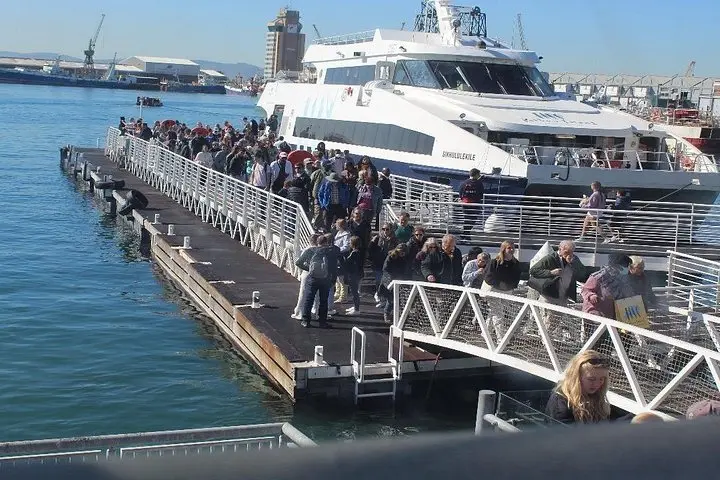
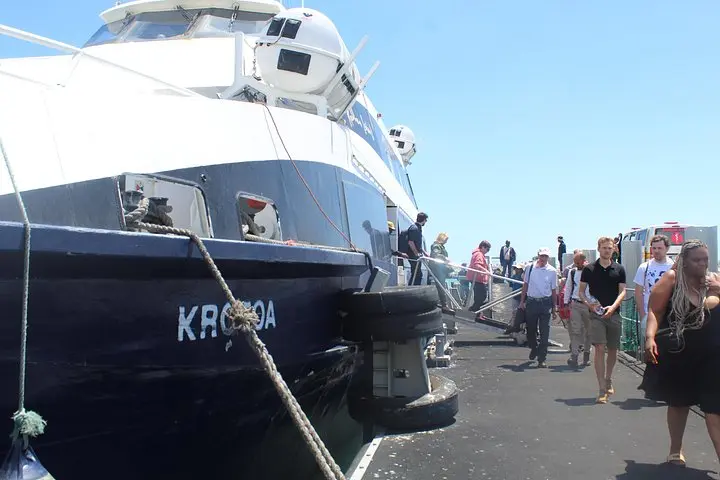
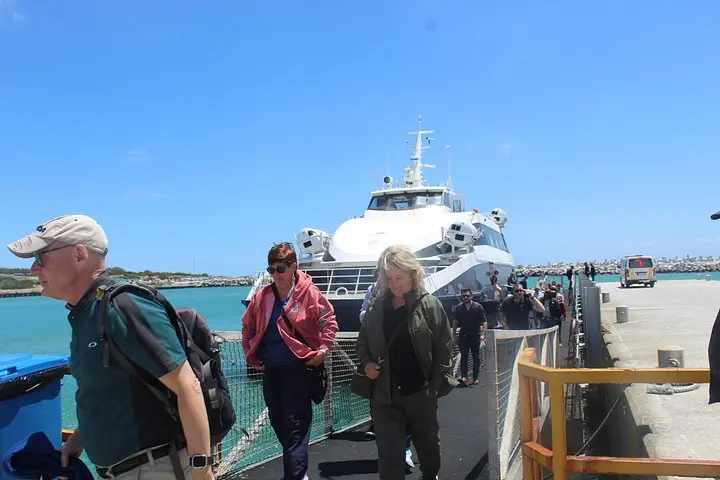
The ferry slices across Table Bay and the wind pushes you toward a low, rocky island where history still breathes from stone.
The ferry slices across Table Bay and the wind pushes you toward a low, rocky island where history still breathes from stone.
On arrival the island's shore greets you with salt and squawk — African penguins patrolling the rocks, the sea daring you to look away, and a bus route that threads visitors through cells, guard posts and the lime quarry. Guides on this tour are often former prisoners or warders; their voices map personal memory onto the concrete corridors. The walk to Nelson Mandela's cell is concise but heavy with context: a narrow space preserved to reveal daily life under apartheid.
Robben Island is both geological marker and cultural archive — a flattened volcanic remnant off Cape Town shaped by waves and quarrying, later converted into a maximum security prison. The museum's exhibits frame the struggle and the island's role in South Africa's political history, while the lime quarry and Minto Battery show how labor and defense were intertwined.
Practically: the whole experience takes about four hours including round-trip ferry, guided prison tour and time to scan the shoreline. Wear sturdy shoes for uneven paths, bring windproof layers and a camera with a telephoto if you want wildlife shots. Accessibility is good — wheelchair options exist — but ferries can be choppy; motion sensitivity and passport requirements mean arrive early and plan for weather swings.
Come for the history, stay attentive to the coastline: the island's wildlife is small, bold, and entirely its own character.