THE ADVENTURE COLLECTIVE® · Independent discovery and booking for outdoor travel

Cross the sea to the prison island that shaped modern South Africa, then rise above the city on a rotating cable car to Table Mountain before wandering the colorful streets of Bo-Kaap. This full-day tour pairs powerful history with sweeping nature and makes Cape Town’s signature sights feel connected.
Cross the sea to the prison island that shaped modern South Africa, then rise above the city on a rotating cable car to Table Mountain before wandering the colorful streets of Bo-Kaap. This full-day tour pairs powerful history with sweeping nature and makes Cape Town’s signature sights feel connected.
The day begins before most of the city stirs, at the edge of the V&A Waterfront where the harbor breathes salt and the ferry waits like an arrowhead pointed toward Robben Island. On the water the wind takes the lead; the sea dares you to look away as the Cape Town skyline recedes and the flat-topped silhouette of Table Mountain grows broader on the horizon. There’s a rhythm to this itinerary — ferry, bus, cable car — that moves through history, geology and neighborhood color without ever feeling rushed.
Verified experiences and guided adventures in the surrounding area.
Operated by Flamboyant Travel and Tours · Cape Town, Western Cape
The day begins before most of the city stirs, at the edge of the V&A Waterfront where the harbor breathes salt and the ferry waits like an arrowhead pointed toward Robben Island. On the water the wind takes the lead; the sea dares you to look away as the Cape Town skyline recedes and the flat-topped silhouette of Table Mountain grows broader on the horizon. There’s a rhythm to this itinerary — ferry, bus, cable car — that moves through history, geology and neighborhood color without ever feeling rushed.
Robben Island is a place of hard edges and quieter truths. Granite and limestone against the Atlantic provided a natural prison long before apartheid, and the bus tour cuts close to the blue quarry where inmates worked and to the simple cell that once held Nelson Mandela. Guides — some former prisoners themselves — narrate events without sentimentality; their voices put dates and faces into relief and turn fact into a palpable, human story.
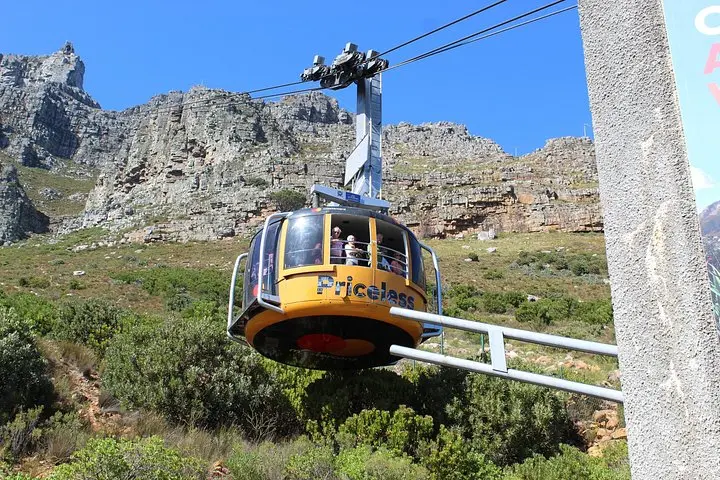
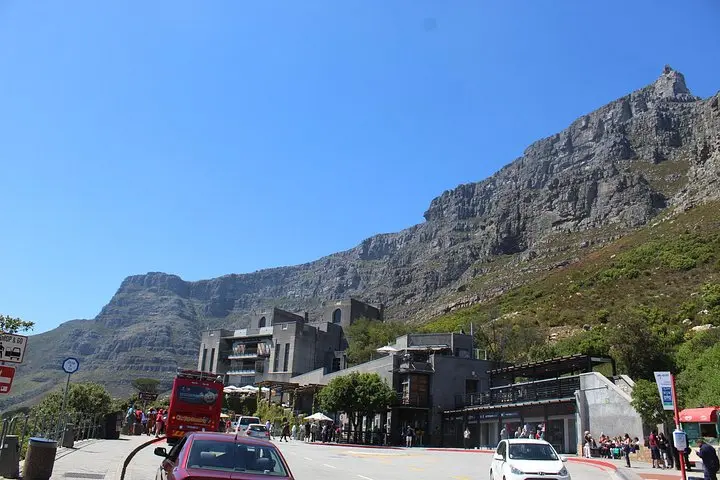
The return trip pivots from history to high ground. Table Mountain unfurls a different lesson: wind-sculpted sandstone, carpets of fynbos, and a geology that reads like a slow-motion collision of continents. The rotating cable car offers a 360-degree ascent in three minutes, and the summit opens into a pageant of viewing angles: Camps Bay’s blue beaches, the stepped ridgeline of the 12 Apostles, and a city that leans up against the mountain’s base.
Bo-Kaap follows as a cultural punctuation — narrow, cobbled streets where brightly painted houses reflect a Malay heritage and mosque domes puncture the skyline. The neighborhood’s compact footprint makes it ideal for a guided stroll where stories of migration, spice trade and community resilience are as immediate as the smells from a kitchen window.
Practicalities are straightforward but matter: this is an eight-hour day that blends standing tours, short walks and time on open decks. Dress in layers; the harbor wind and mountain breeze can differ by two jacket sizes. Bring a small pack with water, sun protection and a camera with extra battery. Seasickness patches or tablets help if you’re prone to motion discomfort. Most visitors use the included pickup from V&A Waterfront or nearby hotels — confirm pickup time and bring ID for Robben Island admission.
Timing and respect make the difference. Book morning departures for calmer seas and fewer crowds on Table Mountain; allow time between segments in case ferries are delayed by weather. The tour stitches together Cape Town’s broad themes — political history, wild geology and living culture — into a single, accessible day, and it’s one of the clearest ways to understand why this city feels both raw and remarkably cohesive.
The full-day itinerary runs about 8 hours, combining the ferry to Robben Island, the island bus tour, Bo-Kaap visit, and Table Mountain cable car time.
Yes — pickup from the V&A Waterfront and many Cape Town hotels is included; confirm your pickup point and time when booking.
Yes — the Robben Island tour includes a stop at the prison and the cell area, typically led by an accredited guide.
Ferry crossings and cable car operations are weather-dependent; the tour operator may cancel or reschedule parts of the tour for safety and issue refunds per their policy.
Infants and small children can be accommodated; strollers are permitted, though some island paths are uneven.
A light snack is useful, but plan to buy food at approved stops; larger bags are discouraged due to limited ferry and bus space.
Flamboyant Travel and Tours operates guided outdoor trips and adventures with an emphasis on safety, stewardship, and memorable experiences.
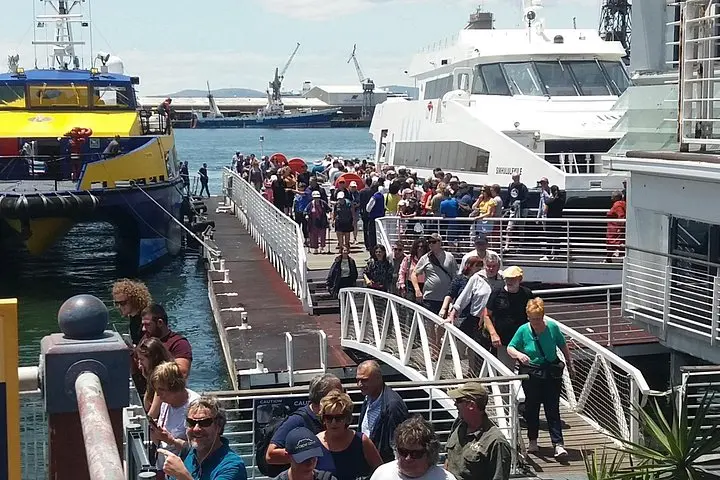
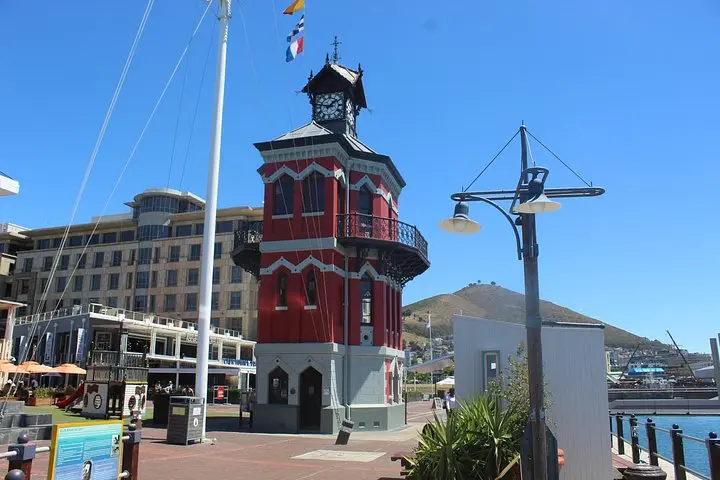
The day begins before most of the city stirs, at the edge of the V&A Waterfront where the harbor breathes salt and the ferry waits like an arrowhead pointed toward Robben Island. On the water the wind takes the lead; the sea dares you to look away as the Cape Town skyline recedes and the flat-topped silhouette of Table Mountain grows broader on the horizon. There’s a rhythm to this itinerary — ferry, bus, cable car — that moves through history, geology and neighborhood color without ever feeling rushed.
The day begins before most of the city stirs, at the edge of the V&A Waterfront where the harbor breathes salt and the ferry waits like an arrowhead pointed toward Robben Island. On the water the wind takes the lead; the sea dares you to look away as the Cape Town skyline recedes and the flat-topped silhouette of Table Mountain grows broader on the horizon. There’s a rhythm to this itinerary — ferry, bus, cable car — that moves through history, geology and neighborhood color without ever feeling rushed.
Robben Island is a place of hard edges and quieter truths. Granite and limestone against the Atlantic provided a natural prison long before apartheid, and the bus tour cuts close to the blue quarry where inmates worked and to the simple cell that once held Nelson Mandela. Guides — some former prisoners themselves — narrate events without sentimentality; their voices put dates and faces into relief and turn fact into a palpable, human story.
The return trip pivots from history to high ground. Table Mountain unfurls a different lesson: wind-sculpted sandstone, carpets of fynbos, and a geology that reads like a slow-motion collision of continents. The rotating cable car offers a 360-degree ascent in three minutes, and the summit opens into a pageant of viewing angles: Camps Bay’s blue beaches, the stepped ridgeline of the 12 Apostles, and a city that leans up against the mountain’s base.
Bo-Kaap follows as a cultural punctuation — narrow, cobbled streets where brightly painted houses reflect a Malay heritage and mosque domes puncture the skyline. The neighborhood’s compact footprint makes it ideal for a guided stroll where stories of migration, spice trade and community resilience are as immediate as the smells from a kitchen window.
Practicalities are straightforward but matter: this is an eight-hour day that blends standing tours, short walks and time on open decks. Dress in layers; the harbor wind and mountain breeze can differ by two jacket sizes. Bring a small pack with water, sun protection and a camera with extra battery. Seasickness patches or tablets help if you’re prone to motion discomfort. Most visitors use the included pickup from V&A Waterfront or nearby hotels — confirm pickup time and bring ID for Robben Island admission.
Timing and respect make the difference. Book morning departures for calmer seas and fewer crowds on Table Mountain; allow time between segments in case ferries are delayed by weather. The tour stitches together Cape Town’s broad themes — political history, wild geology and living culture — into a single, accessible day, and it’s one of the clearest ways to understand why this city feels both raw and remarkably cohesive.