THE ADVENTURE COLLECTIVE® · Independent discovery and booking for outdoor travel

Board the ferry at the Nelson Mandela Gateway and follow the narrated bus route and prison walk that stop at Cell 466/64. This 5–6 hour outing pairs city transfers with a moving history lesson on one of South Africa’s most visited heritage sites.
Board the ferry at the Nelson Mandela Gateway and follow the narrated bus route and prison walk that stop at Cell 466/64. This 5–6 hour outing pairs city transfers with a moving history lesson on one of South Africa’s most visited heritage sites.
A brisk Atlantic wind meets the ferry as it pulls away from the V&A Waterfront; Cape Town’s skyline slides aft and the island’s low outline grows until stone and sea replace city noise. Visitors board at the Nelson Mandela Gateway and pass through a queue that tests patience before Robben Island’s flat shore and squat lighthouse come into view.
Verified experiences and guided adventures in the surrounding area.
Operated by ML Sultan Travel & Tours · Cape Town, Western Cape
A brisk Atlantic wind meets the ferry as it pulls away from the V&A Waterfront; Cape Town’s skyline slides aft and the island’s low outline grows until stone and sea replace city noise. Visitors board at the Nelson Mandela Gateway and pass through a queue that tests patience before Robben Island’s flat shore and squat lighthouse come into view.
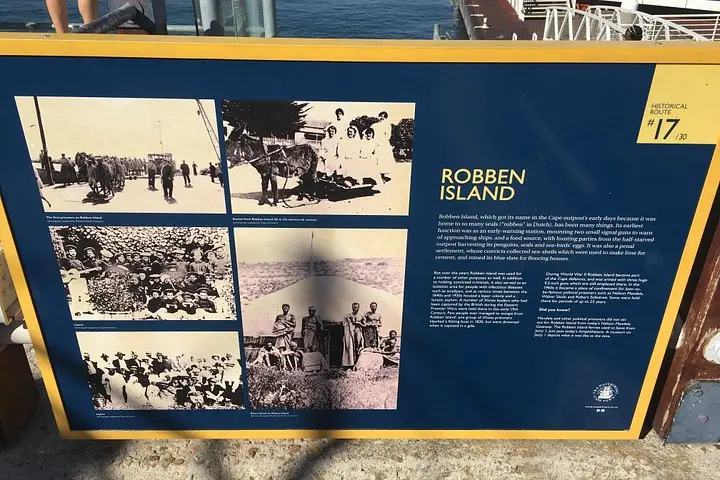
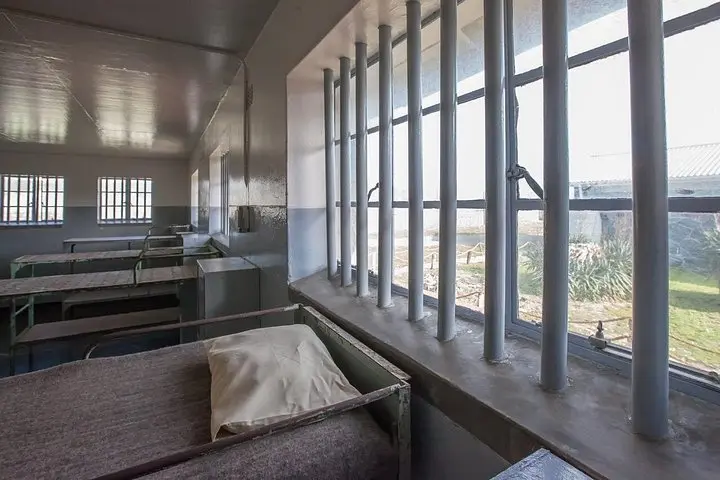
Robben Island has layers of history: a 17th‑century prison site, a leper colony, and the place where Nelson Mandela served 18 of his 27 years behind bars in Cell 466/64. Geologically the island is Table Mountain Group sandstone and marine deposits carved by relentless waves; the island’s quarry faces are a reminder that much of the prison’s labor was physical and visible on the landscape.
On guided bus circuits and a prison walk led by a former inmate, the human story dominates, but the island also hosts seabird colonies and Cape fur seals along its shores, a living margin between ocean and rock. Local guides relay personal memory, and the return through the V&A Waterfront leaves options for more exploration.
Practicalities: the tour runs about 5–6 hours including transfers from Cape Town City Centre or Sea Point, with Robben Island ferry time variable and sometimes delayed. Bring ID or passport, dress in windproof layers, carry sea‑sickness tablets if prone, and expect English commentary on the island. Wheelchair assistance is available with advance notice. Arrival times can shift if boat schedules change; keep the operator’s contact handy and allow extra time for queues at the Gateway.
Crossing time varies with sea state but typically takes 30–45 minutes each way; delays are possible during rough conditions.
Yes — photography is generally allowed except in restricted museum areas; guides will advise where photos aren’t appropriate.
The operator provides wheelchair‑accessible transfers and surfaces in key areas, but some island sections have uneven ground; notify the supplier when booking.
Transfers from Cape Town City Centre/Sea Point, Robben Island ferry ticket, guided bus tour and prison walk with an ex‑prisoner, bottled water and a light lunch are included.
ML Sultan Travel & Tours operates guided outdoor trips and adventures with an emphasis on safety, stewardship, and memorable experiences.
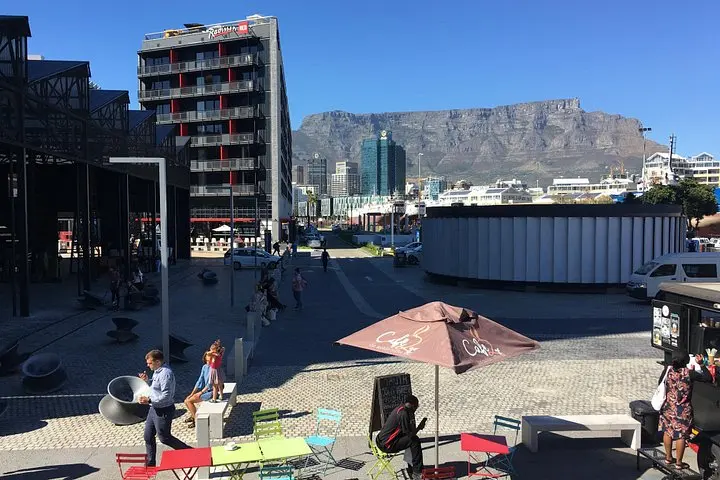
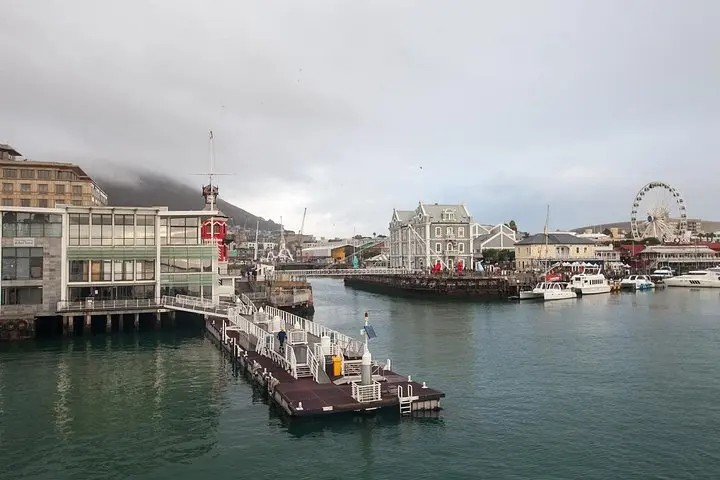
A brisk Atlantic wind meets the ferry as it pulls away from the V&A Waterfront; Cape Town’s skyline slides aft and the island’s low outline grows until stone and sea replace city noise. Visitors board at the Nelson Mandela Gateway and pass through a queue that tests patience before Robben Island’s flat shore and squat lighthouse come into view.
A brisk Atlantic wind meets the ferry as it pulls away from the V&A Waterfront; Cape Town’s skyline slides aft and the island’s low outline grows until stone and sea replace city noise. Visitors board at the Nelson Mandela Gateway and pass through a queue that tests patience before Robben Island’s flat shore and squat lighthouse come into view.
Robben Island has layers of history: a 17th‑century prison site, a leper colony, and the place where Nelson Mandela served 18 of his 27 years behind bars in Cell 466/64. Geologically the island is Table Mountain Group sandstone and marine deposits carved by relentless waves; the island’s quarry faces are a reminder that much of the prison’s labor was physical and visible on the landscape.
On guided bus circuits and a prison walk led by a former inmate, the human story dominates, but the island also hosts seabird colonies and Cape fur seals along its shores, a living margin between ocean and rock. Local guides relay personal memory, and the return through the V&A Waterfront leaves options for more exploration.
Practicalities: the tour runs about 5–6 hours including transfers from Cape Town City Centre or Sea Point, with Robben Island ferry time variable and sometimes delayed. Bring ID or passport, dress in windproof layers, carry sea‑sickness tablets if prone, and expect English commentary on the island. Wheelchair assistance is available with advance notice. Arrival times can shift if boat schedules change; keep the operator’s contact handy and allow extra time for queues at the Gateway.