THE ADVENTURE COLLECTIVE® · Independent discovery and booking for outdoor travel

Cross the choppy channel from the V&A Waterfront to Robben Island and walk through the cells where anti-apartheid leaders were held. Guided by former political prisoners, this UNESCO-listed tour combines hard history with stark coastal landscapes.
Cross the choppy channel from the V&A Waterfront to Robben Island and walk through the cells where anti-apartheid leaders were held. Guided by former political prisoners, this UNESCO-listed tour combines hard history with stark coastal landscapes.
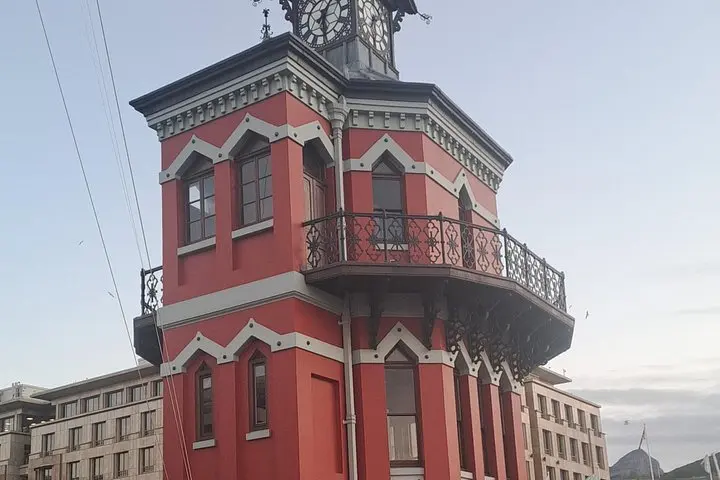
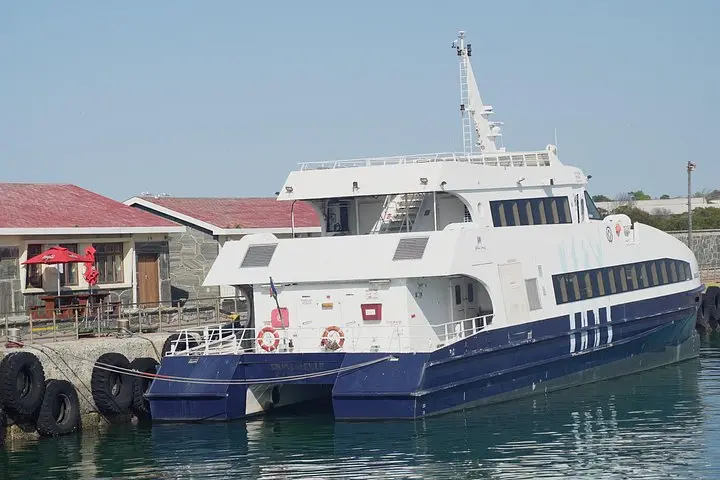
The ferry slips away from the V&A Waterfront and Cape Town shrinks into a low, jagged line; wind and salt spray push at your jacket as the island draws near. Robben Island sits flat against the Atlantic — a compact place of stone, sea, and stories — where buildings and quarries hold traces of punitive isolation and political resolve.
Verified experiences and guided adventures in the surrounding area.
Operated by Giraffe Horizons · Cape Town, Western Cape
The ferry slips away from the V&A Waterfront and Cape Town shrinks into a low, jagged line; wind and salt spray push at your jacket as the island draws near. Robben Island sits flat against the Atlantic — a compact place of stone, sea, and stories — where buildings and quarries hold traces of punitive isolation and political resolve.
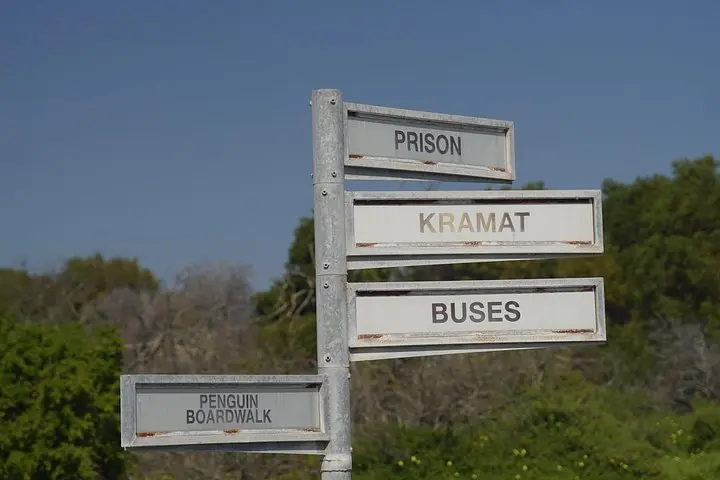
That flatness is geological: Cape granite outcrops and windswept limestone shaped by millennia of waves and wind. The island's notoriety comes from its human history. Designated a UNESCO World Heritage site, Robben Island served as a prison, leper colony, and military station; most visitors come to stand before Nelson Mandela’s cell and hear firsthand recollections from former political prisoners who guide the walk.
Cultural context is raw and immediate: guides recount daily routines, guards’ regulations, and the small acts of resistance that sustained inmates. Between exhibits you’ll see remnants of quarrying, the old lime kiln, and a lighthouse that marks the island’s harsh coastline. Seabirds wheel overhead and seals haul out on the rocky shore, indifferent company for a place heavy with memory.
Practical matters shape the visit: the whole experience runs about 3–4 hours including ferry time, with wheelchair-accessible routes but an exposed ferry crossing that is often canceled in high winds. Bring a photo ID to match the passenger manifest, layer for coastal wind, and expect periods of standing and modest walking between sites. Arrive early to clear security and leave phones in silent mode during earnest, personal narratives—this is an educational visit more than a typical sightseeing stop.
Yes—your name and ID must match the passenger manifest; bring a valid passport or national ID to board the ferry.
Yes. The tour and ferry have wheelchair-accessible options, but notify operators ahead of time so staff can assist with boarding arrangements.
Tours can be canceled at short notice for safety; operators typically notify guests by email or WhatsApp and offer refunds or rescheduling according to the booking policy.
The crossing is roughly 30–45 minutes each way depending on sea conditions and the route taken along the Cape Town coastline.
Giraffe Horizons operates guided outdoor trips and adventures with an emphasis on safety, stewardship, and memorable experiences.

The ferry slips away from the V&A Waterfront and Cape Town shrinks into a low, jagged line; wind and salt spray push at your jacket as the island draws near. Robben Island sits flat against the Atlantic — a compact place of stone, sea, and stories — where buildings and quarries hold traces of punitive isolation and political resolve.
The ferry slips away from the V&A Waterfront and Cape Town shrinks into a low, jagged line; wind and salt spray push at your jacket as the island draws near. Robben Island sits flat against the Atlantic — a compact place of stone, sea, and stories — where buildings and quarries hold traces of punitive isolation and political resolve.
That flatness is geological: Cape granite outcrops and windswept limestone shaped by millennia of waves and wind. The island's notoriety comes from its human history. Designated a UNESCO World Heritage site, Robben Island served as a prison, leper colony, and military station; most visitors come to stand before Nelson Mandela’s cell and hear firsthand recollections from former political prisoners who guide the walk.
Cultural context is raw and immediate: guides recount daily routines, guards’ regulations, and the small acts of resistance that sustained inmates. Between exhibits you’ll see remnants of quarrying, the old lime kiln, and a lighthouse that marks the island’s harsh coastline. Seabirds wheel overhead and seals haul out on the rocky shore, indifferent company for a place heavy with memory.
Practical matters shape the visit: the whole experience runs about 3–4 hours including ferry time, with wheelchair-accessible routes but an exposed ferry crossing that is often canceled in high winds. Bring a photo ID to match the passenger manifest, layer for coastal wind, and expect periods of standing and modest walking between sites. Arrive early to clear security and leave phones in silent mode during earnest, personal narratives—this is an educational visit more than a typical sightseeing stop.