THE ADVENTURE COLLECTIVE® · Independent discovery and booking for outdoor travel

Cross Table Bay to Robben Island for a concise, guided look at South Africa’s recent history. This pre-booked ferry and museum tour pairs a brisk maritime approach with a thoughtful, human-led exploration of the prison site.
Cross Table Bay to Robben Island for a concise, guided look at South Africa’s recent history. This pre-booked ferry and museum tour pairs a brisk maritime approach with a thoughtful, human-led exploration of the prison site.
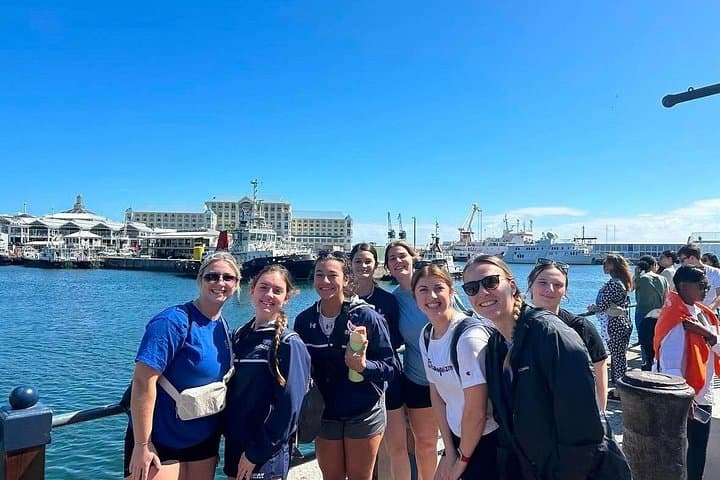
The ferry pushes off from the V&A Waterfront and Table Bay opens like a cold, bracing breath. Sea spray hits the rail and Cape Town’s skyline recedes into a clean horizon; ahead, Robben Island sits low and wind-scoured, cliffs and old buildings lining a shoreline that has held many roles over centuries.
Verified experiences and guided adventures in the surrounding area.
Operated by CAPE COAST EXPLORE (PTY) LTD · Cape Town, Western Cape
The ferry pushes off from the V&A Waterfront and Table Bay opens like a cold, bracing breath. Sea spray hits the rail and Cape Town’s skyline recedes into a clean horizon; ahead, Robben Island sits low and wind-scoured, cliffs and old buildings lining a shoreline that has held many roles over centuries.
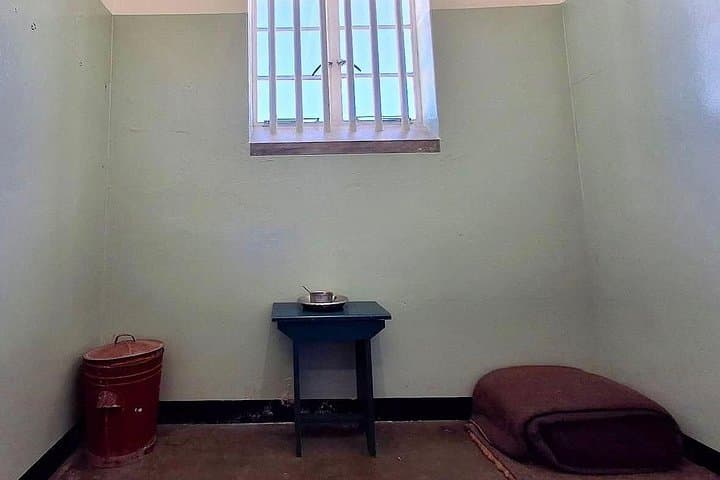
A visit here is a layered history: a leper colony, military base, and most famously the maximum-security prison where Nelson Mandela and other anti-apartheid activists were incarcerated. Guides—often former prisoners—walk you through the cell blocks, the quarry where men labored under the sun, and the museum displays that trace South Africa’s political arc. Geologically the island is flat and exposed, with rocky shores and patches of hardy scrub shaped by the Atlantic gales; seabirds wheel and call as though narrating the route.
Culturally this is an encounter, not a backdrop. Conversations with guides, the hush in Mandela’s cell, and the vantage back to the mainland give context to the artifacts in the museum. Expect about four hours for the round-trip ferry and guided tour; weather and sea conditions govern crossings, and tickets are exchanged at the Waterfront Clock Tower before boarding.
Practical notes: carry ID for ticket verification, dress in windproof layers, and wear sturdy shoes for uneven paths. Bring water, a small daypack, and time your visit for calmer mornings when crossings are smoother and light favors photography. Respect restricted areas and follow guide instructions—this is a protected historic site and working museum as much as a memorable outing.
The standard tour is approximately 4 hours total, including ferry crossings and the guided museum visit.
Yes—bring the same valid ID or passport used when booking; it is checked before boarding.
The ferry and island have some uneven surfaces and steps; contact the operator in advance about accessibility accommodations and assistance at the waterfront meeting point.
Photography is allowed in most outdoor areas; follow guide directions and respect signs in restricted or sensitive locations.
CAPE COAST EXPLORE (PTY) LTD operates guided outdoor trips and adventures with an emphasis on safety, stewardship, and memorable experiences.


The ferry pushes off from the V&A Waterfront and Table Bay opens like a cold, bracing breath. Sea spray hits the rail and Cape Town’s skyline recedes into a clean horizon; ahead, Robben Island sits low and wind-scoured, cliffs and old buildings lining a shoreline that has held many roles over centuries.
The ferry pushes off from the V&A Waterfront and Table Bay opens like a cold, bracing breath. Sea spray hits the rail and Cape Town’s skyline recedes into a clean horizon; ahead, Robben Island sits low and wind-scoured, cliffs and old buildings lining a shoreline that has held many roles over centuries.
A visit here is a layered history: a leper colony, military base, and most famously the maximum-security prison where Nelson Mandela and other anti-apartheid activists were incarcerated. Guides—often former prisoners—walk you through the cell blocks, the quarry where men labored under the sun, and the museum displays that trace South Africa’s political arc. Geologically the island is flat and exposed, with rocky shores and patches of hardy scrub shaped by the Atlantic gales; seabirds wheel and call as though narrating the route.
Culturally this is an encounter, not a backdrop. Conversations with guides, the hush in Mandela’s cell, and the vantage back to the mainland give context to the artifacts in the museum. Expect about four hours for the round-trip ferry and guided tour; weather and sea conditions govern crossings, and tickets are exchanged at the Waterfront Clock Tower before boarding.
Practical notes: carry ID for ticket verification, dress in windproof layers, and wear sturdy shoes for uneven paths. Bring water, a small daypack, and time your visit for calmer mornings when crossings are smoother and light favors photography. Respect restricted areas and follow guide instructions—this is a protected historic site and working museum as much as a memorable outing.