THE ADVENTURE COLLECTIVE® · Independent discovery and booking for outdoor travel

Join a 90‑minute talk and walk at 290 Walsh Street in South Yarra to explore Robin Boyd’s championing of the Griffins. Expect archival images, close reading of a heritage house, and photo opportunities that reveal how ideas became Melbourne’s modern streetscape.
Join a 90‑minute talk and walk at 290 Walsh Street in South Yarra to explore Robin Boyd’s championing of the Griffins. Expect archival images, close reading of a heritage house, and photo opportunities that reveal how ideas became Melbourne’s modern streetscape.
Book with Robin Boyd Foundation
Verified experiences and guided adventures in the surrounding area.
Operated by Robin Boyd Foundation · South Yarra, Victoria
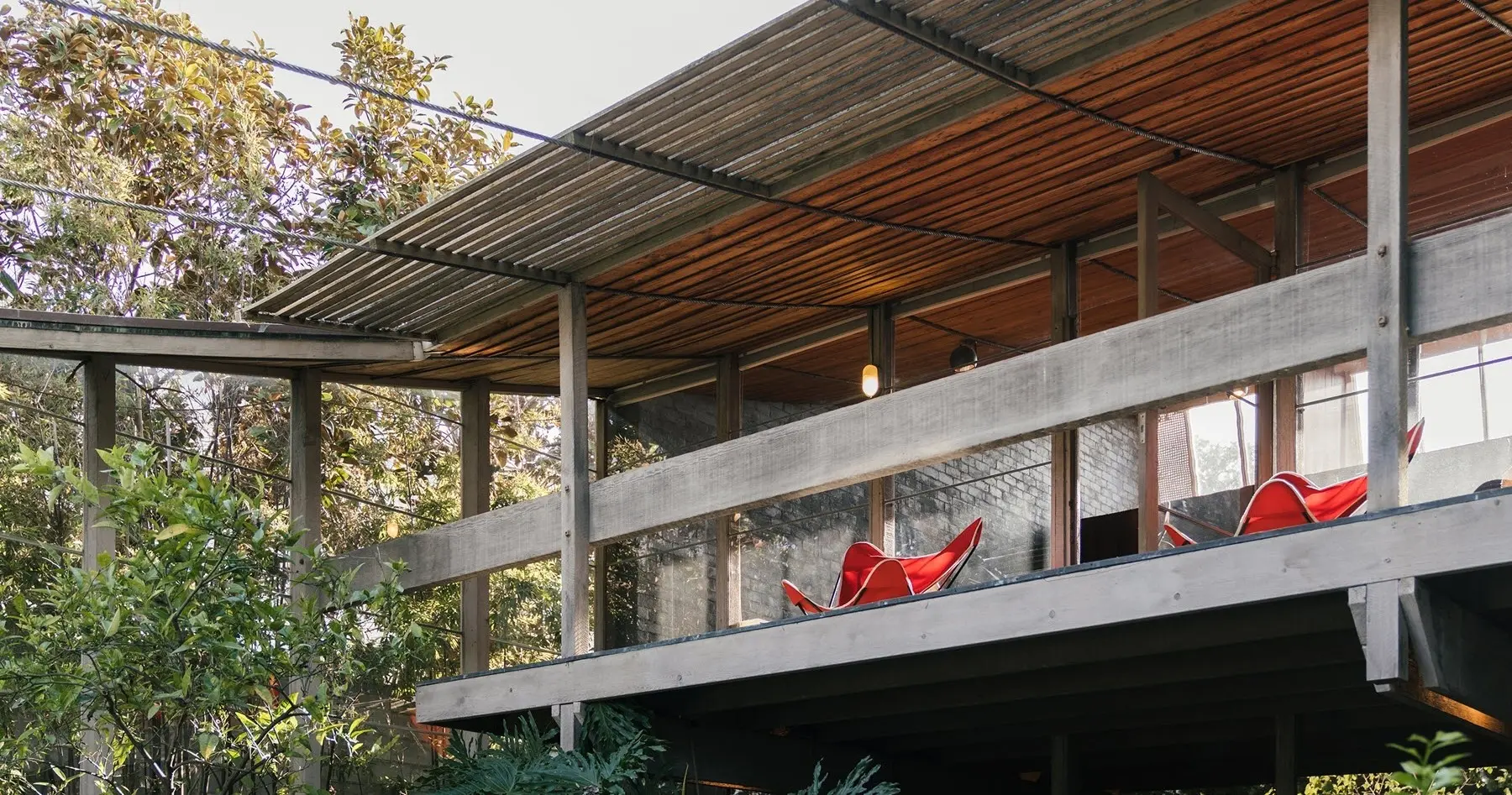
Walsh Street in South Yarra is the setting for a rare, focused look at two of Australia’s most influential figures in modern architecture. The Prophets: Robin Boyd and the Griffins is a 90‑minute talk and walk that begins at 290 Walsh Street South Yarra, Victoria AU 3141 and moves through Boyd’s ideas, images and the house he designed, offering close views of interior details and exterior massing that helped reshape mid‑century Australian design. Philip Goad, Chair of Architecture and co‑Director of ACAHUCH at the University of Melbourne, leads the evening with a scholar’s precision and a storyteller’s pace. He traces Robin Boyd’s role as an advocate — from the seminal Victorian Modern (1947) to Boyd’s unbuilt World Expo vision based on Walter Burley Griffin’s Canberra plan — and situates Boyd as a persistent promoter of Walter Burley Griffin and Marion Mahony. The program ties archival photographs, including Boyd’s shot of the Capitol Theatre ceiling, to the physical cues on Walsh Street: brickwork, cantilevered eaves, and the cork flooring that shapes how the house is experienced. This event is generous with context: expect measured close‑reading of façades, anecdotes about media campaigns that made modernism a public conversation, and a concise survey of the Griffins’ influence on Melbourne’s urban fabric. The walk is short but rich — a city rambler’s lens on design, where the geology of the site is replaced by the layered craft of brick, render and timber, and where urban trees and local street patterns frame architectural lines. Practical notes sit alongside the ideas. The tour meets at 290 Walsh Street South Yarra, Victoria AU 3141; attendees must be 16 or over, and the heritage listing of the house limits mobility modifications — visitors with accessibility needs should contact [email protected] in advance. Photography is encouraged for exteriors and offered interior photo‑ops subject to house rules; large bags and pointed heels are restricted to protect cork floors. Presented to mark Walter Burley Griffin’s 150th birth anniversary, the evening is supported by Brickworks Building Products, Konpira Maru Wines and Yumbo Soda. It’s an event for anyone who wants architecture to feel like a live conversation between image and material: scholars, students, designers and curious travelers who want to see how ideas translate into street‑level detail. If you plan to visit, wear comfortable shoes, bring a notepad, and leave time afterward to wander South Yarra’s streets — the neighborhood itself is an open notebook of twentieth‑century design. Public transport access is straightforward from Melbourne; trams and trains serve South Yarra station a short walk away. Tickets may be discounted for RBF Friends and Boyd Circle members—check the Robin Boyd Foundation website for booking details and membership benefits before you go. Plan accordingly. Always.
The meeting point is 290 Walsh Street South Yarra, Victoria AU 3141 — please arrive a few minutes early.
Attendees must be 16 years or older to join this event.
The heritage building cannot be modified for universal access; contact [email protected] to discuss tailored mobility support.
Exterior photography is encouraged; interior photo opportunities are allowed subject to house rules—follow staff instructions on the night.
Discounted tickets are offered to RBF Friends and Boyd Circle members—see the Robin Boyd Foundation site for membership and booking details.
No external food or drink, large bags must be checked at entry, and stiletto or pointed heels are not permitted to protect flooring.
Robin Boyd Foundation is a not-for-profit organisation dedicated to preserving and promoting the life, work and legacy of Australian architect Robin Boyd. Based in South Yarra, Victoria, the Foundation manages Boyd’s 1957 Walsh Street residence and archives, delivering guided tours, talks, walking tours and creative workshops that connect visitors with modernist architecture and Melbourne’s built history. The Foundation offers a range of experiences: guided tours of the Walsh Street house, evening events such as Sunset Cocktails at Walsh Street, themed talks on modern design and conservation, neighbourhood walking tours through South Yarra, and drop-in drawing sessions that pair architectural insight with sketching and photography. Each program is led by experienced guides, architects and guest speakers who present research-based commentary and curated access to Boyd’s preserved home and materials. As a custodian of a significant heritage property and archive, the Foundation collaborates with conservation specialists, historians and design practitioners to ensure accurate interpretation and careful site stewardship. Its events are rooted in documented scholarship on post-war modernism and local architectural history, providing reliable context for students, professionals and the general public. Visitors can expect small-group formats, focused storytelling and opportunities to photograph and study Walsh Street’s distinctive modernist features. The Foundation’s stewardship of the property, structured programming and partnerships with experts underpin its reputation as an authoritative resource on Robin Boyd and mid-20th-century Australian design. Public programs are scheduled seasonally and include limited-capacity events, making bookings recommended for visitors seeking guided access to Walsh Street and related exhibitions and archival displays.
Book with Robin Boyd Foundation