THE ADVENTURE COLLECTIVE® · Independent discovery and booking for outdoor travel

Ride a motorcycle-taxi into Rocinha for a three-hour, resident-led exploration of daily life, viewpoints, capoeira, and local markets. This guided visit emphasizes respectful engagement and real stories from Brazil’s largest favela.
Ride a motorcycle-taxi into Rocinha for a three-hour, resident-led exploration of daily life, viewpoints, capoeira, and local markets. This guided visit emphasizes respectful engagement and real stories from Brazil’s largest favela.
The ride starts fast — a motorcycle-taxi threading narrow alleys as walls of painted concrete and laundry close in. You climb, the city unfolding behind you: Ipanema’s surf, Sugarloaf’s dome, and the statue of Christ watching from a distant ridge. In minutes the favela’s rhythm replaces guidebook Rio; capoeira drums, vendors calling, and murals that answer the steep streets.
Verified experiences and guided adventures in the surrounding area.
Operated by FAVELA TOUR GUIDE · Rio de Janeiro, Rio de Janeiro
The ride starts fast — a motorcycle-taxi threading narrow alleys as walls of painted concrete and laundry close in. You climb, the city unfolding behind you: Ipanema’s surf, Sugarloaf’s dome, and the statue of Christ watching from a distant ridge. In minutes the favela’s rhythm replaces guidebook Rio; capoeira drums, vendors calling, and murals that answer the steep streets.
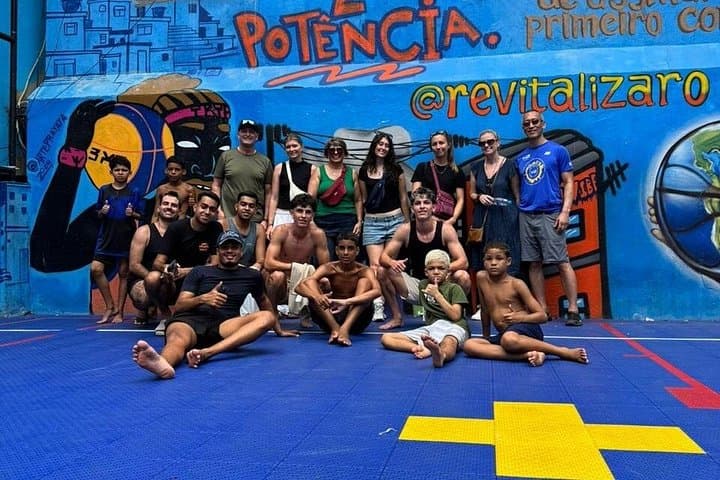
Rocinha grew from mid-20th-century rural migration and now stands as Brazil’s largest informal settlement, built into steep granite slopes that channel rain and runoff like city veins. Geology shapes the experience: steep switchbacks, lajes (rooftop terraces) that double as viewpoints, and narrow drainage channels that direct the community’s circulation. Culture here is immediate — social projects, informal markets, street art, and capoeira rodas reveal histories of resilience and ongoing efforts toward education and economic opportunity.
The tour is intentionally practical: a local guide and motorcycle-taxi take you to strategic viewpoints, a community market, and a capoeira demonstration, with time for conversation and photos. Expect uneven walking surfaces, short climbs, and crowded lanes; rest spots and bottled water are typically provided.
Plan ahead: go in daylight, bring small bills to support vendors, ask before photographing people, and wear closed shoes for stability. Tours aim for respectful engagement — listen, ask questions, and treat the visit as cultural exchange rather than spectacle. For travelers seeking a direct, grounded view of Rio beyond postcards, this three-hour immersion delivers context, city views, and human stories.
Guided visits led by local residents and organized providers are designed with safety protocols, daylight routing, and community coordination; follow your guide’s instructions and avoid wandering off independently.
Children can join; infants may need to sit on laps during motorcycle-taxi segments and guardians should assess comfort with crowded, steep pathways.
Many local guides speak Portuguese and some offer basic English; check the booking description or request language support in advance.
Yes — tours stop at the Rocinha market and local stalls; bring small cash and be prepared for simple, locally made items and snacks.
FAVELA TOUR GUIDE operates guided outdoor trips and adventures with an emphasis on safety, stewardship, and memorable experiences.

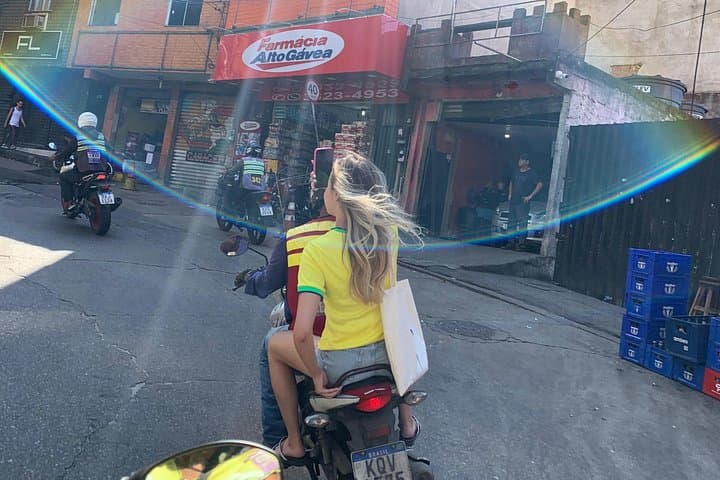
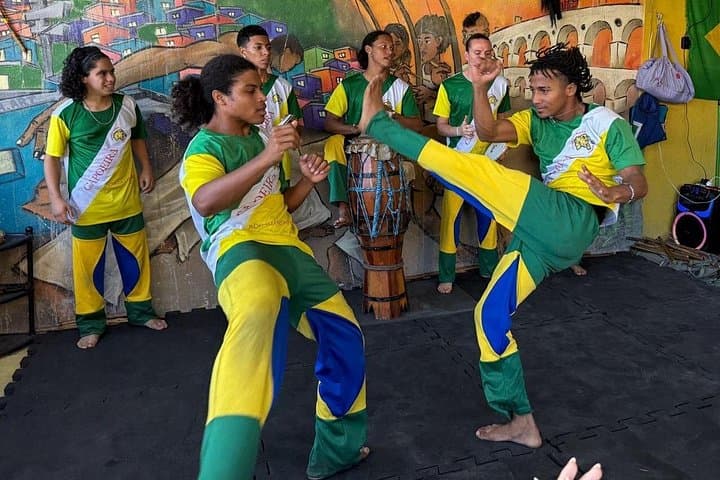
The ride starts fast — a motorcycle-taxi threading narrow alleys as walls of painted concrete and laundry close in. You climb, the city unfolding behind you: Ipanema’s surf, Sugarloaf’s dome, and the statue of Christ watching from a distant ridge. In minutes the favela’s rhythm replaces guidebook Rio; capoeira drums, vendors calling, and murals that answer the steep streets.
The ride starts fast — a motorcycle-taxi threading narrow alleys as walls of painted concrete and laundry close in. You climb, the city unfolding behind you: Ipanema’s surf, Sugarloaf’s dome, and the statue of Christ watching from a distant ridge. In minutes the favela’s rhythm replaces guidebook Rio; capoeira drums, vendors calling, and murals that answer the steep streets.
Rocinha grew from mid-20th-century rural migration and now stands as Brazil’s largest informal settlement, built into steep granite slopes that channel rain and runoff like city veins. Geology shapes the experience: steep switchbacks, lajes (rooftop terraces) that double as viewpoints, and narrow drainage channels that direct the community’s circulation. Culture here is immediate — social projects, informal markets, street art, and capoeira rodas reveal histories of resilience and ongoing efforts toward education and economic opportunity.
The tour is intentionally practical: a local guide and motorcycle-taxi take you to strategic viewpoints, a community market, and a capoeira demonstration, with time for conversation and photos. Expect uneven walking surfaces, short climbs, and crowded lanes; rest spots and bottled water are typically provided.
Plan ahead: go in daylight, bring small bills to support vendors, ask before photographing people, and wear closed shoes for stability. Tours aim for respectful engagement — listen, ask questions, and treat the visit as cultural exchange rather than spectacle. For travelers seeking a direct, grounded view of Rio beyond postcards, this three-hour immersion delivers context, city views, and human stories.