THE ADVENTURE COLLECTIVE® · Independent discovery and booking for outdoor travel

Ride a jeep into Rocinha for a 3-hour cultural immersion: capoeira circles, handicraft workshops, and hillside views toward São Conrado. This guided community tour blends street-level insights with practical tips for respectful exploration.
Ride a jeep into Rocinha for a 3-hour cultural immersion: capoeira circles, handicraft workshops, and hillside views toward São Conrado. This guided community tour blends street-level insights with practical tips for respectful exploration.
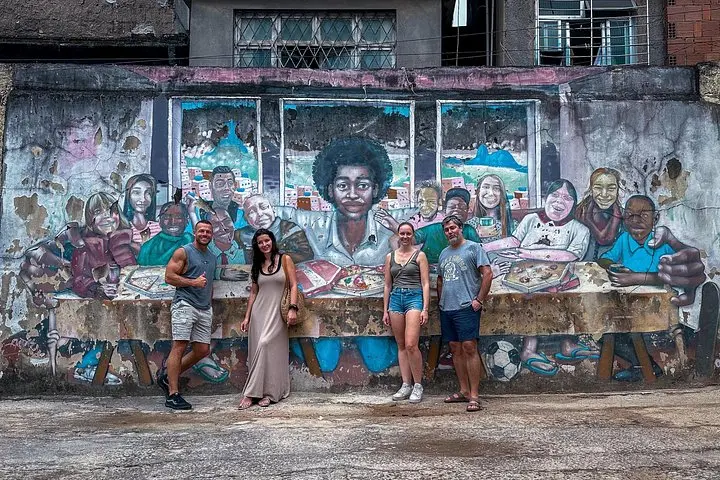
The jeep turns up a steep, patchwork lane and the city shifts—concrete pitches, painted homes stacked like cards, music bleeding from open windows. You step out into Rocinha and the neighborhood leans in: a capoeira circle clapping on a courtyard, vendors calling, children threading between alleys. The first 10 minutes set the tone—raw, human, vivid.
Verified experiences and guided adventures in the surrounding area.
Operated by Rio 40 Graus Turismo · Rio de Janeiro, Rio de Janeiro
The jeep turns up a steep, patchwork lane and the city shifts—concrete pitches, painted homes stacked like cards, music bleeding from open windows. You step out into Rocinha and the neighborhood leans in: a capoeira circle clapping on a courtyard, vendors calling, children threading between alleys. The first 10 minutes set the tone—raw, human, vivid.
Rocinha grew rapidly during the 20th century as migrants built informal housing on the hills above São Conrado; today it is one of Brazil’s largest favelas, with a mix of small businesses, workshops, and community projects. Geology is visible in the slope itself—the granite spine of Rio drops toward the ocean, which shaped access patterns and density. Culture here is public and performative: samba, capoeira, and handicraft traditions are daily life rather than staged spectacle.
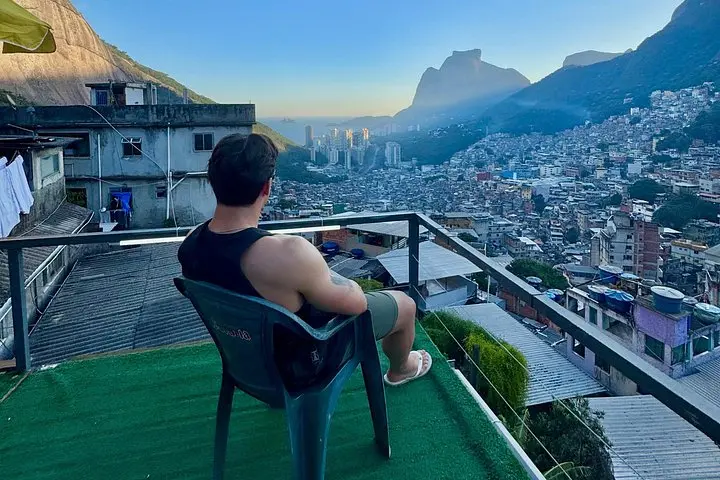
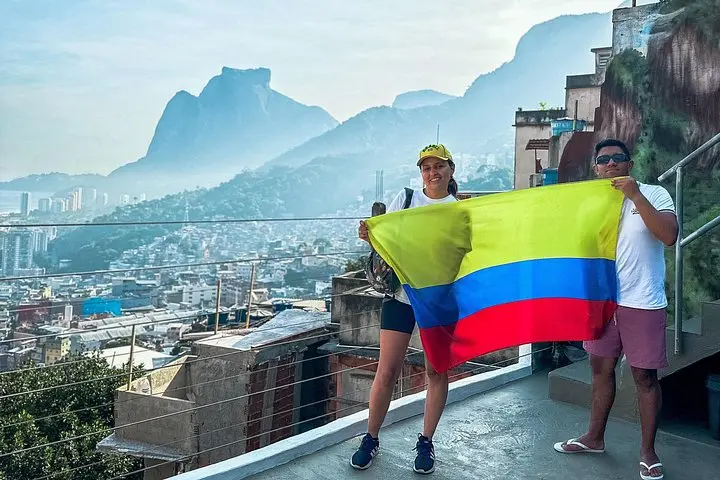
On a guided jeep-and-walk tour expect a 90-minute community stop where guides explain local initiatives, small-scale entrepreneurship, and everyday rhythms. You’ll get panoramic views toward São Conrado beach during a brief drive-by, then move on foot through narrow alleys that demand attention to footing and respect for private spaces.
Practical guidance: bring small bills for local purchases, wear sturdy shoes for uneven steps, and travel light—bags are cumbersome on packed lanes. Stay with the guide, follow photography guidelines, and plan visits during daylight when businesses and cultural groups are active. This is a cultural-immersion experience that asks for curiosity and respect—observe, engage where invited, and leave with a clearer picture of life on Rio’s hillside communities.
Tours use accredited local guides and jeep transport; stick with the group, avoid flashing valuables, and follow the guide’s instructions for a safe visit.
Photography is allowed in public areas but always ask permission before photographing people or private spaces—guides will advise on sensitive spots.
Yes — jeep and van transportation between pickup points and the community is included in the tour price.
The tour is suitable for children but involves uneven steps and steep lanes; it is not recommended for travelers with significant mobility limitations.
Rio 40 Graus Turismo operates guided outdoor trips and adventures with an emphasis on safety, stewardship, and memorable experiences.

The jeep turns up a steep, patchwork lane and the city shifts—concrete pitches, painted homes stacked like cards, music bleeding from open windows. You step out into Rocinha and the neighborhood leans in: a capoeira circle clapping on a courtyard, vendors calling, children threading between alleys. The first 10 minutes set the tone—raw, human, vivid.
The jeep turns up a steep, patchwork lane and the city shifts—concrete pitches, painted homes stacked like cards, music bleeding from open windows. You step out into Rocinha and the neighborhood leans in: a capoeira circle clapping on a courtyard, vendors calling, children threading between alleys. The first 10 minutes set the tone—raw, human, vivid.
Rocinha grew rapidly during the 20th century as migrants built informal housing on the hills above São Conrado; today it is one of Brazil’s largest favelas, with a mix of small businesses, workshops, and community projects. Geology is visible in the slope itself—the granite spine of Rio drops toward the ocean, which shaped access patterns and density. Culture here is public and performative: samba, capoeira, and handicraft traditions are daily life rather than staged spectacle.
On a guided jeep-and-walk tour expect a 90-minute community stop where guides explain local initiatives, small-scale entrepreneurship, and everyday rhythms. You’ll get panoramic views toward São Conrado beach during a brief drive-by, then move on foot through narrow alleys that demand attention to footing and respect for private spaces.
Practical guidance: bring small bills for local purchases, wear sturdy shoes for uneven steps, and travel light—bags are cumbersome on packed lanes. Stay with the guide, follow photography guidelines, and plan visits during daylight when businesses and cultural groups are active. This is a cultural-immersion experience that asks for curiosity and respect—observe, engage where invited, and leave with a clearer picture of life on Rio’s hillside communities.