THE ADVENTURE COLLECTIVE® · Independent discovery and booking for outdoor travel

Walk the spine of Rocinha with a local guide and hop moto-taxis up steep alleys to experience daily life, street art, and stunning views over Rio’s South Zone. Practical tips included to help you navigate narrow lanes and support the community respectfully.
Walk the spine of Rocinha with a local guide and hop moto-taxis up steep alleys to experience daily life, street art, and stunning views over Rio’s South Zone. Practical tips included to help you navigate narrow lanes and support the community respectfully.
You step off the paved avenue and into a hillside that hums: music from open windows, the click of vendors arranging snacks, and the distant rush of the ocean breathing against the city. Your guide—born and raised here—leads the way through narrow lanes where laundry flaps like small flags and murals map stories of community life.
Verified experiences and guided adventures in the surrounding area.
Operated by Alexandre Vicente Pires · Rio de Janeiro, Rio de Janeiro
You step off the paved avenue and into a hillside that hums: music from open windows, the click of vendors arranging snacks, and the distant rush of the ocean breathing against the city. Your guide—born and raised here—leads the way through narrow lanes where laundry flaps like small flags and murals map stories of community life.
Rocinha grew in the 20th century as rural migrants settled on steep slopes overlooking São Conrado. Its vernacular architecture and dense alleys reflect pragmatic improvisation more than planned design; layers of concrete and brick climb the hill like terraces. Geologically, the favela sits on the granite slopes of Rio’s South Zone, with steep streets that demand steady footing and occasional moto-taxi hops for steeper stretches.
Culture here is immediate: samba and funk emanate from community centers, local artisans sell painted canvases and woodwork, and neighborhood eateries serve hearty, familiar Brazilian plates. Expect to see street art that narrates local politics and history—this is a place shaped by resilience, favoring direct commerce and personal connection.
Practical guidance: wear sturdy shoes for uneven steps, carry a refillable water bottle, and bring small cash for food or crafts. The tour combines walking with short moto-taxi segments to cover higher terrain efficiently; total time is about two hours. Plan for mid-morning or late afternoon to avoid the midday heat and to catch golden light on the hillside. Listen to your guide’s cues in crowded or steep sections—local knowledge is the best safety gear here.
Guided visits with a local, experienced guide are generally safe; follow the guide’s directions, avoid displaying valuables, and stick to the planned itinerary.
Yes—small vendors and artisans often prefer cash. Bring small denominations of Brazilian reais for food or souvenirs.
About 60–90 minutes of walking interspersed with short moto-taxi hops to reach higher neighborhoods; terrain includes stairs and steep lanes.
The operator notes it’s stroller accessible for infants but many streets have steps; families should be prepared to carry strollers on some sections.
Alexandre Vicente Pires operates guided outdoor trips and adventures with an emphasis on safety, stewardship, and memorable experiences.
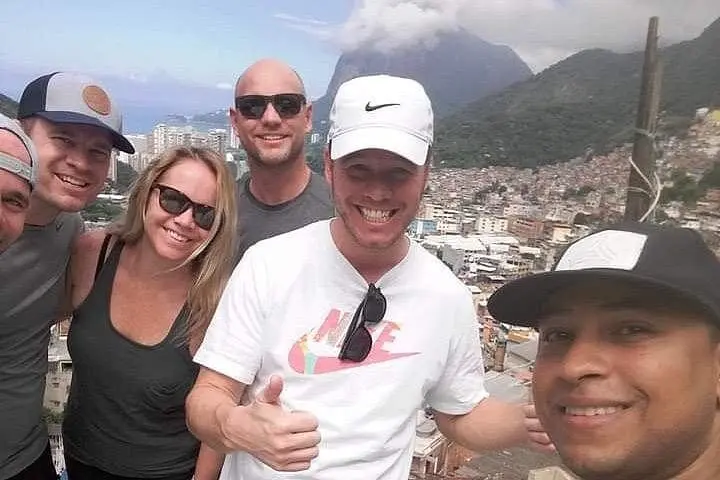
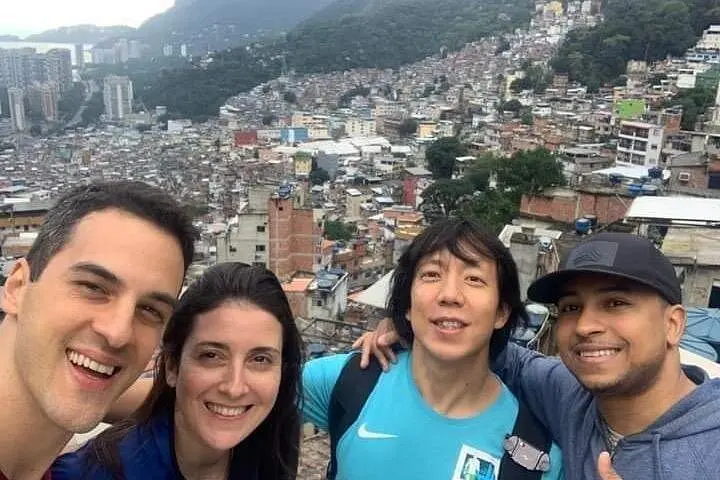
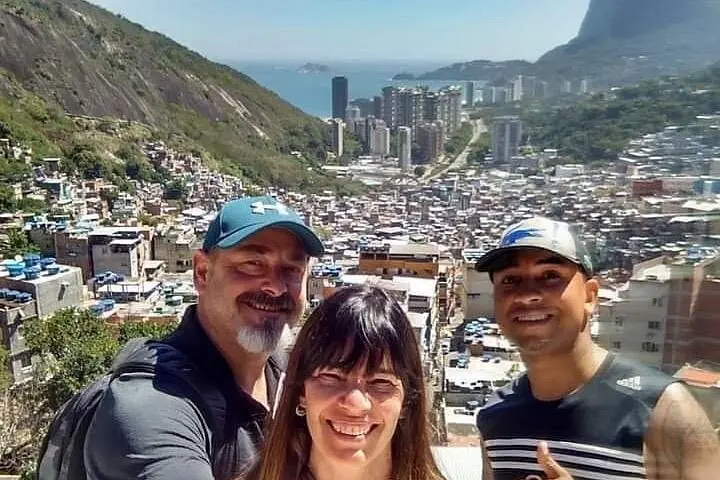

You step off the paved avenue and into a hillside that hums: music from open windows, the click of vendors arranging snacks, and the distant rush of the ocean breathing against the city. Your guide—born and raised here—leads the way through narrow lanes where laundry flaps like small flags and murals map stories of community life.
You step off the paved avenue and into a hillside that hums: music from open windows, the click of vendors arranging snacks, and the distant rush of the ocean breathing against the city. Your guide—born and raised here—leads the way through narrow lanes where laundry flaps like small flags and murals map stories of community life.
Rocinha grew in the 20th century as rural migrants settled on steep slopes overlooking São Conrado. Its vernacular architecture and dense alleys reflect pragmatic improvisation more than planned design; layers of concrete and brick climb the hill like terraces. Geologically, the favela sits on the granite slopes of Rio’s South Zone, with steep streets that demand steady footing and occasional moto-taxi hops for steeper stretches.
Culture here is immediate: samba and funk emanate from community centers, local artisans sell painted canvases and woodwork, and neighborhood eateries serve hearty, familiar Brazilian plates. Expect to see street art that narrates local politics and history—this is a place shaped by resilience, favoring direct commerce and personal connection.
Practical guidance: wear sturdy shoes for uneven steps, carry a refillable water bottle, and bring small cash for food or crafts. The tour combines walking with short moto-taxi segments to cover higher terrain efficiently; total time is about two hours. Plan for mid-morning or late afternoon to avoid the midday heat and to catch golden light on the hillside. Listen to your guide’s cues in crowded or steep sections—local knowledge is the best safety gear here.